How to Transplant Turkish hazel?
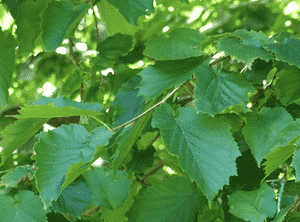
The most favorable period for transplanting turkish hazel occurs as the natural world revives in late spring or transitions into mid-autumn. Select a location featuring adequately draining earth and a degree of sun shielding. Careful manipulation assists in safeguarding the root system, which is crucial for the turkish hazel's thriving.
What Preparations are Needed Before Relocating Turkish Hazel?
What is the Ideal Time for Relocating Turkish Hazel?
The optimal period for moving turkish hazel is during the gentle shift from late spring's warmth to early summer's vigor, or amidst the crisp embrace of mid-autumn to the quiet approach of late fall. Moving turkish hazel in these seasons aligns with its growth cycle, promoting strong root development in mild weather, thus ensuring a smooth transition into either its active growth or dormant phaseâcrucial for thriving in its new location.
How Much Space Should You Leave Between Turkish Hazel Plants?
When getting ready to provide your turkish hazel with a new home, maintain a comfortable distance between them, aiming for approximately 15-20 feet (4.5-6 meters). This provides them with ample room to flourish without becoming too crowded!
What is the Best Soil Mix for Turkish Hazel Relocation?
Your turkish hazel will thrive in well-drained soil, with a slight preference for alkaline conditions. Before moving, incorporate some organic compost into the earth to give them a nourishing head start!
Where Should You Relocate Your Turkish Hazel?
The perfect spot for your turkish hazel receives full sun to partial shade. Select a location where the soft morning light can touch its leaves, while offering some relief from the intense afternoon sun.
What Equipment Should You Prepare Before Moving Turkish Hazel?
Shovel or Spade
For excavating around and beneath the plant's root ball.
Gardening Gloves
To safeguard your hands while handling soil and the plant.
Watering Can or Hose
To hydrate the plant before and after its relocation.
Wheelbarrow
To transport the plant and soil.
Pruning Shears
To trim any damaged roots or branches.
Measuring Tape
To ensure correct spacing between multiple plants.
Stakes and String
To delineate the planting area and support the plant if needed.
How Do You Extract Turkish Hazel from the Soil?
How Do You Extract Turkish Hazel from the Soil?
From Ground: First, thoroughly water the turkish hazel plant to make the soil easier to manage. Dig a generous trench around the plant's root ball using a shovel or spade. Carefully pry under the root ball and lift the plant, attempting to keep the root ball intact.From Pot: Begin by watering the turkish hazel to ensure the soil is moist. Tilt the pot to the side and gently tap to loosen the plant. Hold the base of the plant and carefully ease it out with the root ball.From Seedling Tray: Water the seedlings to ensure the soil is moist. Use a small tool, such as a dibber or even a spoon, to gently lift out each turkish hazel seedling with its surrounding soil, being careful not to harm the roots.
Step-by-Step Guide for Relocating Turkish Hazel
Initial Watering
Water the turkish hazel thoroughly beforehand to ensure the roots are hydrated.
Excavating the Hole
Dig a hole in the ground that is twice as wide as the turkish hazel's root ball and of equal depth.
Root Examination
Gently inspect the turkish hazel's roots for damage. Use pruning shears to remove any broken or dead roots.
Positioning the Plant
Place the turkish hazel in the center of the prepared hole. The top of the root ball should be level with the soil surface.
Backfilling the Hole
Fill the hole with soil, patting down around the roots to eliminate air pockets. Water slowly and deeply to settle the soil.
Staking (if necessary)
Use stakes and string to provide support to the turkish hazel if it is tall or unstable.
Final Watering
Water the turkish hazel thoroughly after relocating to help establish root-to-soil contact.
How Do You Care For Turkish Hazel After Relocation?
Stabilization
Support the turkish hazel using stakes if it is leaning or appears unstable, especially in windy areas.
Mulching
Apply a layer of organic mulch around the base of the turkish hazel to retain moisture, regulate soil temperature, and reduce weed competition.
Consistent Watering
Keep the soil moist to encourage the turkish hazel to establish new roots. Water deeply and less frequently to promote stronger root growth.
Observation
Monitor the turkish hazel for signs of stress, such as wilting or discolored leaves, and address any issues promptly to ensure a successful relocation.
Troubleshooting Common Issues with Turkish Hazel Relocation.
What's the best time to relocate turkish hazel?
Ideally, relocate turkish hazel in late spring to early summer or during mid to late autumn for optimal establishment.
How far apart should I space turkish hazel when relocating?
Turkish hazel requires room to grow! Space them 15-20 feet (4.5-6 meters) apart to allow for full expansion.
How much should I water turkish hazel after relocating?
Give turkish hazel a generous watering after relocating. Keep the soil consistently moist but not waterlogged during the first growing season.
What soil conditions are best for relocating turkish hazel?
Turkish hazel thrives in well-draining soil. Amend with compost to improve soil fertility and drainage.
How deep should the hole be when relocating turkish hazel?
Dig a hole as deep as the root ball and twice as wide to encourage root spread.
Can turkish hazel be relocated in full sun?
Absolutely! Turkish hazel prefers full sun but can also tolerate partial shade. Choose a sunny spot for vigorous growth.
Should I prune turkish hazel when relocating?
Minimal pruning is recommended. Only remove damaged or broken branches to prevent stress on turkish hazel.
How do I prepare turkish hazel for relocation?
Water turkish hazel thoroughly a day before relocating to ensure the roots are hydrated.
Is it necessary to use fertilizer when relocating turkish hazel?
Skip fertilizer at relocation time. Instead, rely on compost for nutrients and avoid burning the roots.
My turkish hazel looks wilted after relocation, what should I do?
Wilt is common; ensure proper watering and care. If there's no improvement, check for root damage or diseases.



