How to Transplant Parsley Hawthorn?
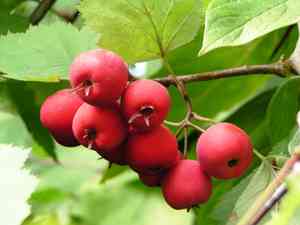
The perfect period for transplanting parsley Hawthorn extends from the onset of early spring through the mild temperatures of late spring, or from the decline of autumn into the stillness of mid-winter. Select a location that receives abundant sunlight and possesses soil that drains effectively. Should it be necessary, enhance the site with organic material before the transfer to encourage vigorous development.
What Preparations are Needed Before Transplanting Parsley Hawthorn?
What is the Ideal Time for Transplanting Parsley Hawthorn?
The optimal period to relocate parsley Hawthorn is during the gentle seasons of spring or late autumn. These milder times allow parsley Hawthorn roots to establish easily, free from intense summer heat or harsh winter cold. Moving parsley Hawthorn now ensures smooth adaptation, promoting vigorous growth and graceful integration into its new environment. A supportive setting is crucial before transplanting, preparing parsley Hawthorn for successful re-establishment.
How Much Space Should You Leave Between Parsley Hawthorn Plants?
When relocating parsley Hawthorn, ensure each plant has ample room to thrive. Aim for a spacing of 12-24 feet (3.7-7.3 meters) between them. This provides sufficient area for development and guarantees each parsley Hawthorn receives necessary nutrients.
What is the Best Soil Mix for Parsley Hawthorn Transplanting?
For parsley Hawthorn, the soil should drain well yet retain moisture, and be rich in organic material. Before planting, mix a balanced, slow-release fertilizer into the soil to give your parsley Hawthorn an excellent start. Consider it a nourishing meal for your plants!
Where Should You Relocate Your Parsley Hawthorn?
Select a sunny location for your parsley Hawthorn that gets at least 6 to 8 hours of direct sunlight daily. This leads to a thriving parsley Hawthorn, flourishing with abundant sun to fuel its development. Partial shade is acceptable, but full sun is preferable!
What Equipments Should You Prepare Before Transplantation Parsley Hawthorn?
Gardening Gloves
To safeguard your hands while handling soil and plants.
Shovel or Spade
To excavate the plant and assist in preparing the new planting site.
Watering Can or Hose
To hydrate the plant both before removal and after replanting.
Wheelbarrow or Garden Cart
To comfortably move the plant and soil.
Pruning Shears
To trim any damaged roots or branches prior to transplanting.
Tape Measure
To gauge the depth and width of the new planting hole.
Garden Fork
To loosen and lift the plant if it's firmly rooted in its original spot.
Soil Aerator (optional)
For loosening soil around the new planting area to boost root development.
Mulch
To help maintain soil moisture and inhibit weed growth around the new location.
Rooting Hormone (optional)
To stimulate root formation after transplanting.
How Do You Remove Parsley Hawthorn from the Soil?
How Do You Remove Parsley Hawthorn from the Soil?
From Ground: First, thoroughly water the parsley Hawthorn to moisten the soil. Next, use a shovel or spade to dig a wide trench around the plant, being careful not to harm the root ball. Then, gently work the spade beneath the root ball to dislodge it from the ground before lifting.From Pot: Begin by watering the parsley Hawthorn to make the soil damp, which helps the roots slide out of the container easily. Tilt the pot sideways and gently tap or squeeze the sides to loosen the root ball. Slowly ease the plant out, supporting its base and roots.From Seedling Tray: Water the parsley Hawthorn seedlings to keep the soil intact. Use a garden fork or your fingers to carefully lift the seedlings from the tray, striving to keep as much soil around the roots as possible.
Step-by-Step Guide for Transplanting Parsley Hawthorn
Preparation
Hydrate the parsley Hawthorn before beginning the relocation process to ensure the plant is moist and the soil holds together.
Digging Up
Carefully dig a wide circle around the parsley Hawthorn's root ball. Gently extract the plant from its current spot with minimal root disturbance.
Root Pruning
Examine the roots and trim any broken or unhealthy ones using pruning shears, ensuring a clean cut to prevent disease.
Transportation
If the plant is large, place it on a wheelbarrow or garden cart, making sure to support the root ball during transit to prevent damage.
Planting Hole
Dig a hole at the new site that is as deep as the root ball and twice its width to allow roots ample room to spread.
Placement
Position the parsley Hawthorn into the hole, ensuring it stands upright. The top of the root ball should be level with the surrounding soil surface.
Backfilling
Fill the hole with soil gently but firmly around the root ball to eliminate air pockets, which can dry out the roots.
Watering
Water the parsley Hawthorn generously after planting to settle the soil around the roots and aid in recovery from transplant shock.
Mulching
Apply a layer of mulch around the base of the parsley Hawthorn to conserve moisture and regulate soil temperature.
How Do You Care For Parsley Hawthorn After Transplanting?
Monitoring
Observe the parsley Hawthorn for indications of transplant shock, such as wilting or discolored leaves, and address any emerging issues as needed.
Watering
Water the parsley Hawthorn deeply to encourage root development. In the subsequent weeks, keep the soil moist but not saturated.
Pruning
Remove any dead or damaged branches to direct the parsley Hawthorn's energy towards establishing its root system.
Mulching
Maintain mulch around the base to retain moisture and suppress weed growth without piling it against the stems.
Stabilizing
If the parsley Hawthorn is tall or top-heavy, gently stake it to prevent leaning or uprooting by wind.
Adjustments
Re-adjust the soil and mulch during the initial days if settling occurs after the first planting.
Troubleshooting Common Issues with Parsley Hawthorn Transplantation.
Why is my parsley Hawthorn wilting after transplanting?
Wilting may stem from transplant shock. Ensure roots are well-hydrated and temporarily shield from direct sunlight.
How often should I water parsley Hawthorn post-transplant?
Water your parsley Hawthorn regularly until it's established. The soil should remain moist but not waterlogged.
What's the best time of year to transplant parsley Hawthorn?
Relocate your parsley Hawthorn during early to late spring or from late autumn to mid-winter for optimal root establishment.
How deep should I plant parsley Hawthorn's roots?
Plant the root ball at its previous growing depth; planting too deep or shallow can harm the tree.
How much space does parsley Hawthorn need when planting?
Allow for ample canopy and root growth by spacing parsley Hawthorn approximately 12-24 feet (3.7-7.3 meters) apart.
What kind of soil is best for parsley Hawthorn after transplanting?
Well-draining, loamy soil enriched with organic matter is ideal for successful parsley Hawthorn transplantation.
Can I prune parsley Hawthorn during transplanting?
Light pruning is acceptable to remove dead or damaged branches, but postpone heavy pruning until the plant is established.
My parsley Hawthorn looks stressed after moving, what should I do?
Minimize stress by ensuring soil moisture and protecting it from wind or extreme temperatures until new growth appears.
Why are the leaves of parsley Hawthorn turning yellow post-transplant?
Yellowing might indicate transplant stress or water imbalance. Ensure consistent moisture levels and avoid waterlogging.
What should I do to prepare the new site for parsley Hawthorn?
Choose a sunny spot with well-draining soil. Dig a hole twice as wide as the root ball to encourage root expansion.



