How to Transplant Japanese red cedar?
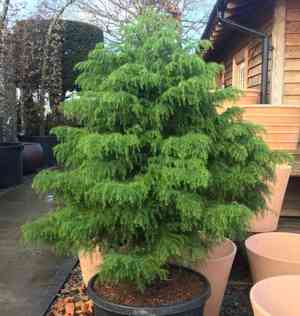
The optimal period for relocating japanese red cedar is in the balmy, initial summer weeks when the specimen is vigorously developing. Select a site featuring soil that drains effectively and receives partial to complete sunlight. Should it be necessary, offer additional attention through sufficient irrigation and mulching to aid the plant's settling. Enjoy your transplanting!
What Preparations are Needed Before Transplanting Japanese Red Cedar?
What is the Ideal Time for Transplanting Japanese Red Cedar?
The onset of summer, as temperatures rise, is an optimal period for relocating japanese red cedar. This timing allows japanese red cedar to establish itself prior to intense heat. Moving japanese red cedar during this phase promotes robust growth and a strong root system before winter arrives.
How Much Space Should You Leave Between Japanese Red Cedar Plants?
For japanese red cedar, providing ample room for development is crucial. Position them 8-12 feet (2.4-3.7 meters) apart. This spacing enables their branches to spread and allows them to mature into magnificent trees.
What is the Best Soil Mix for Japanese Red Cedar Transplanting?
To give japanese red cedar the best start, prepare soil that drains well and has a slightly acidic pH (5.5-6.5). Incorporate organic material, such as compost, and add a balanced granular fertilizer (e.g., 10-10-10).
Where Should You Relocate Your Japanese Red Cedar?
Select a transplanting location for japanese red cedar that receives full sun to partial shade. These plants thrive in sunlight but can tolerate some light shade. Ensure the area offers sufficient space for their growth without overcrowding.
What Equipments Should You Prepare Before Transplantation Japanese Red Cedar?
Gardening Gloves
To safeguard your hands while digging and handling the japanese red cedar.
Shovel or Spade
To excavate the planting hole and extract the plant from its original spot.
Wheelbarrow or Container
To move the japanese red cedar from its initial location to its new site.
Trowel
For precisely shaping the hole where the japanese red cedar will be placed.
Watering Can/Hose
To provide water to the japanese red cedar during and after its relocation.
Organic Mulch
To help maintain soil moisture and regulate temperature after transplanting.
How Do You Remove Japanese Red Cedar from the Soil?
How Do You Remove Japanese Red Cedar from the Soil?
From Ground: Before extracting the japanese red cedar from its initial position, water the base to moisten the soil. Using a shovel or spade, dig a wide trench around the plant, taking care not to harm the root ball. Once the root ball is separated from the ground, gently lift it with the spade and transfer it to the wheelbarrow or container.From Pot or Seedling Tray: Water the plant thoroughly before attempting removal. Turn the pot on its side, and gently tap to loosen the root ball. Slide the japanese red cedar out while carefully pulling at the plant's base. If roots appear overly dense or are circling the pot, gently untangle them to encourage outward growth.
Step-by-Step Guide for Transplanting Japanese Red Cedar
Prep the location
Dig a hole twice as wide and equally deep as the root ball. This provides ample room for root expansion.
Filling the hole
Fill the hole halfway with native soil, gently settling it with the shovel.
Positioning the plant
Carefully place the japanese red cedar in the hole, ensuring it stands upright. The top of the root ball should be level with the ground's surface.
Backfilling
Refill the hole with native soil, gently firming around the plant's base. Water thoroughly.
Mulching
Cover the surrounding soil with organic mulch, keeping it clear of the japanese red cedar's trunk.
How Do You Care For Japanese Red Cedar After Transplanting?
Watering
Water the japanese red cedar consistently during the initial weeks post-transplant, but avoid waterlogging the soil. Maintain appropriate moisture levels.
Mulch Maintenance
Periodically inspect the mulch around the japanese red cedar's base and replenish if it appears to be thinning.
Pruning
After the first year, prune the japanese red cedar to enhance its overall shape and health. Avoid extensive pruning immediately after transplanting.
Pest Check
Regularly examine the japanese red cedar for any indications of pests or disease and address them promptly as needed.
Troubleshooting Common Issues with Japanese Red Cedar Transplantation.
When's the optimal time to relocate japanese red cedar?
Plan to move japanese red cedar during the warmer, sunnier days, around early summer. This is the ideal period for the plant's thriving.
What's the appropriate spacing between japanese red cedar while replanting?
To ensure robust growth, maintain a distance of 8-12 feet (2.4m - 3.6m) between japanese red cedar. This spacing allows sufficient room for root development.
My japanese red cedar looks wilted after transplanting. What went wrong?
Your japanese red cedar might be experiencing transplant shock. Ensure adequate, but not excessive, watering. The plant should recover within a few weeks.
What could be causing yellowing leaves on my transplanted japanese red cedar?
Yellow foliage may indicate overwatering or a lack of soil nutrients. Reduce irrigation, and consider a nutrient-rich fertilizer for the plant.
Can I transplant japanese red cedar during winter?
Transplanting japanese red cedar during winter is not recommended. The cold season's stress can harm the plant. Aim for early summer for optimal results.
How should I prepare the transplant site for japanese red cedar?
Thoroughly cultivate the soil, adding compost if necessary. The hole should be twice as wide, and the same depth, as the plant's root ball.
How deep should japanese red cedar be planted when transplanting?
Japanese red cedar should be planted so that the top of its root ball is level with the ground surface, or slightly higher. Avoid planting too deeply.
What care should be taken after transplanting japanese red cedar?
Water japanese red cedar thoroughly immediately after transplanting. Mulch around the base to retain moisture, and water regularly during the initial weeks.
How to handle japanese red cedar while transplanting to prevent damage?
Handle japanese red cedar with care to avoid root damage. Lift it from the base during transplanting and gently place it into the new hole.
Could transplanting japanese red cedar near brickwork or foundations affect its health?
Yes, japanese red cedar requires an area with ample growing space. Positioning it too close to brickwork or foundations can impede its development.



