How to Transplant Toothache grass?
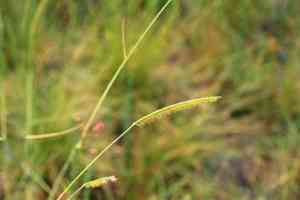
For optimal root development, it is advisable to transplant toothache grass during the mild temperatures of late spring through early summer. Select a location that receives ample sunlight and possesses soil with good drainage. Carefully transfer toothache grass to its new site, taking care to minimize any disruption to its root system to encourage robust growth.
What Preparations are Needed Before Transplanting Toothache Grass?
What is the Ideal Time for Transplanting Toothache Grass?
The optimal period for relocating toothache grass is the transition from late spring to early summer. This timeframe provides a combination of warm soil and moderate temperatures, perfect for root development. Establishing your toothache grass during this window encourages robust growth, as longer days and increased sunlight work together to foster strong development. Utilize this season to ensure your toothache grass flourishes, benefiting from a supportive climate while avoiding the extremes of summer heat or winter cold.
How Much Space Should You Leave Between Toothache Grass Plants?
When getting ready to move your toothache grass, aim to position each plant approximately 1-2 feet (30-60 cm) apart. This provides ample room for their roots to expand without competing with one another. Keep in mind, proper spacing can influence their overall health and development.
What is the Best Soil Mix for Toothache Grass Transplanting?
Toothache grass thrives in soil that drains well, ideally a sandy or loamy type. Begin preparation by enriching the soil with organic compost as a foundational fertilizer. This will supply the essential nutrients needed for healthy growth.
Where Should You Relocate Your Toothache Grass?
Select a spot for your toothache grass that receives full sun or partial shade. These plants appreciate a good amount of sunlight, but they can also benefit from a break during the hottest part of the day!
What Equipments Should You Prepare Before Transplantation Toothache Grass?
Garden Shovel
To carefully excavate the toothache grass plant from its original spot, preserving its root system.
Gardening Gloves
To safeguard your hands while handling soil and plants.
Watering Can
To hydrate the toothache grass after relocation and maintain soil moisture.
Garden Trowel
To dig a suitable hole for toothache grass at the new planting site.
Wheelbarrow
To move the toothache grass plant from its initial location to its new position.
Pruning Shears
To snip off any damaged roots or overgrown stems prior to transplanting.
How Do You Remove Toothache Grass from the Soil?
How Do You Remove Toothache Grass from the Soil?
From Ground: Begin by moistening the toothache grass plant to dampen the soil. Proceed to dig a wide trench around the plant using a garden shovel, ensuring the plant's root ball remains intact. Carefully work the shovel beneath the root ball to lift the plant from its original spot. Trim any damaged roots with pruning shears.From Pot: If your toothache grass plant is currently in a container, water it thoroughly first. Gently tip the plant and tap the bottom of the pot until the plant slides out. Be careful not to pull forcefully to avoid root damage.From Seedling Tray: Carefully hold the seedling by its leaves, never by the stem, and gently encourage the root ball out of the cell. If it resists, use a tool, such as a spoon, to help lift the plant without harming the roots.
Step-by-Step Guide for Transplanting Toothache Grass
Preparing the new location
Dig a hole twice the width and depth of the root ball using the garden trowel. The hole should be deep enough to cover the roots but not the stem.
Inserting the toothache grass plant
In the prepared hole, place toothache grass at the same depth it was in its original location. Spread out the roots of the toothache grass plant in the opening so it will establish more quickly.
Backfilling
Gently backfill the hole, firming the soil with your hand as you go to ensure no air pockets are trapped.
Watering
Generously water the plant right after transplantation using the watering can. This helps the soil settle around the roots.
How Do You Care For Toothache Grass After Transplanting?
Watering Frequency
Maintain consistent watering of the toothache grass plant, especially during warm and dry periods, but avoid soggy conditions. In most cases, watering deeply once a week should suffice, unless the weather is particularly dry or hot.
Pruning
Trim off any dead or dying leaves to encourage new growth and help the plant conserve its energy during this transition period.
Monitoring
Keep an eye on the plant for any signs of distress, such as drooping, discoloration, or curling leaves, as these may be signs that the plant is not adjusting well.
Troubleshooting Common Issues with Toothache Grass Transplantation.
When is the best time to transplant toothache grass?
The best time to transplant toothache grass is during S3-S4, usually late in the growing season.
What is the right spacing for toothache grass while transplanting?
Ideal spacing for transplanting toothache grass is 1-2 feet (0.3-0.6 meters), allowing proper root expansion.
Do I need to prepare the soil before transplanting toothache grass?
Yes, you should. Soil preparation, including removing weeds and adding compost, helps toothache grass grow healthily.
How deep should I plant toothache grass while transplanting?
Dig a hole that's deep enough to cover the roots. Too deep or shallow might harm toothache grass.
How should I handle toothache grass's roots while transplanting?
Handle toothache grass's roots gently to avoid damage. Ensure they spread out in the hole and are fully covered.
Should I water toothache grass immediately after transplanting?
Yes, watering toothache grass right away will help settle the soil and reduce transplant shock.
What should I do if my transplanted toothache grass shows signs of shock?
Provide extra care such as sufficient water and shade if toothache grass shows signs of shock post-transplantation.
What kind of light exposure does toothache grass need post-transplant?
Toothache grass prefers full to partial sunlight. Make sure the new location offers adequate light exposure.
Does toothache grass need any special care after transplanting?
Toothache grass doesn't require special care, but regular watering and weed control can help it establish faster.
Can I fertilize toothache grass immediately after transplanting?
Hold off on fertilizing right after transplanting to avoid burning the roots. You can fertilize toothache grass once it's established.



