How to Transplant Mediterranean cypress?
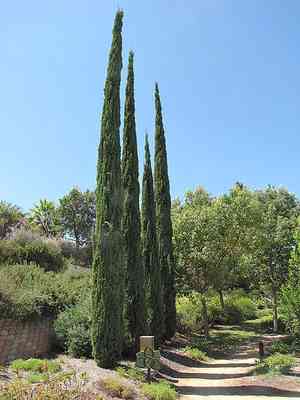
The most favorable period for relocating mediterranean cypress is in early spring, as the moderate temperatures facilitate root development. Select a location that receives ample sunlight and has soil that drains effectively. Careful handling during the transfer process is crucial for the mediterranean cypress to successfully adapt.
What Preparations are Needed Before Transplanting Mediterranean Cypress?
What is the Ideal Time for Transplanting Mediterranean Cypress?
Relocate mediterranean cypress as spring invigorates the ground. This period of vigorous development aids rapid root establishment, ensuring a smooth transition for mediterranean cypress to its new spot.
How Much Space Should You Leave Between Mediterranean Cypress Plants?
Prior to moving mediterranean cypress, it's crucial to guarantee each young plant has ample room to thrive. As a guide, confirm that the distance between plants is approximately 5-15 feet (1.5-4.5 meters). Correct spacing results in healthier, more robust plants.
What is the Best Soil Mix for Mediterranean Cypress Transplanting?
Mediterranean cypress thrives in well-drained, slightly acidic to neutral soil. Before transplanting, enrich the soil with a nitrogen-rich base fertilizer, which promotes dark green, glossy foliage. Incorporating compost can also enhance soil vitality.
Where Should You Relocate Your Mediterranean Cypress?
When deciding where to move mediterranean cypress, aim for a spot that receives full sun exposure. This means the area should get direct sunlight for about 6-8 hours daily. Ample sunlight is essential for its successful growth.
What Equipments Should You Prepare Before Transplantation Mediterranean Cypress?
Gardening Gloves
To shield your hands while handling the soil and mediterranean cypress.
Shovel or Spade
A tool for excavating the mediterranean cypress plant without harming its root ball.
Gardening Shears
Used for trimming the mediterranean cypress both before and after the relocation.
Watering Can or Hose
To hydrate the mediterranean cypress before, during, and after the transplanting process.
Wheelbarrow
A device to assist in moving the mediterranean cypress plant from its original location to the new one.
Mulch
Applied after the transplant to help retain soil moisture, suppress weeds, and regulate soil temperature.
How Do You Remove Mediterranean Cypress from the Soil?
How Do You Remove Mediterranean Cypress from the Soil?
From Ground: First, you should water your mediterranean cypress the day before the transplant. This will moisten the soil and reduce stress on the plant. On the day of the transplant, dig a trench around the mediterranean cypress plant using a shovel or spade. The trench should be wide and deep enough to accommodate the entire root ball. Carefully lift the plant, ensuring the root ball remains intact.From Pot: To extract mediterranean cypress from a pot, first thoroughly water the plant. Tilt the pot sideways, grip the plant by its base, and gently pull and twist until the plant is free from the pot. Be cautious not to damage the roots during removal.From Seedling Tray: If your mediterranean cypress is a seedling, water the tray and gently remove the seedling by pushing it up from the bottom, holding it by the leaves, never by the stem. Avoid touching the plant's delicate roots.
Step-by-Step Guide for Transplanting Mediterranean Cypress
Prepare the Site
Clear the chosen area of any debris, weeds, or rocks. Dig a hole that is twice as wide and the same depth as the root ball of mediterranean cypress. Ensure the bottom of the hole is firm to prevent the plant from sinking.
Position the Plant
Place mediterranean cypress in the hole. The top of the root ball should be level with or slightly above the surrounding soil to allow for settling and to prevent water accumulation around the stem. Make sure the mediterranean cypress is upright.
Backfill the Hole
Use the excavated soil to fill in around the root ball. Gently firm the soil to eliminate air pockets and to support the mediterranean cypress.
Water the Plant
Immediately after transplanting, thoroughly water mediterranean cypress to moisten the root zone and to settle the soil.
Mulch
Apply a layer of mulch around the mediterranean cypress to help retain soil moisture and to deter weed growth.
How Do You Care For Mediterranean Cypress After Transplanting?
Pruning
After transplanting, prune mediterranean cypress to maintain its form and to encourage new growth. However, avoid heavy pruning in the first year as mediterranean cypress needs its needles to produce food and to recover from transplant stress.
Monitoring
Regularly check mediterranean cypress for any signs of stress such as wilting, yellowing, or dropping of needles. If these symptoms appear, assess the situation and take necessary actions such as adjusting watering.
Pest and Disease Control
Keep an eye out for common pests and diseases that may affect mediterranean cypress. Early detection and treatment will help ensure your mediterranean cypress remains healthy.
Troubleshooting Common Issues with Mediterranean Cypress Transplantation.
When is the best time to transplant mediterranean cypress?
The optimal period for relocating your mediterranean cypress is during the S1-S2 timeframe; it offers the most favorable conditions for growth.
How much space should I leave between each mediterranean cypress for the best growth?
Ensure you maintain a distance of approximately 5-15 feet (1.5-4.5 meters) between each mediterranean cypress to allow for optimal development.
Why is my transplanted mediterranean cypress not growing or showing signs of distress?
This could be due to poor soil quality or insufficient water. Double-check your soil's pH level and ensure your mediterranean cypress is adequately hydrated.
How deep should I plant mediterranean cypress when transplanting?
Aim to plant the mediterranean cypress at the same depth it was previously growing. A good guideline is to match the level of the surrounding soil.
How do I prepare the transplant hole for mediterranean cypress?
The hole should be twice as wide as the root ball and the same depth. Amend the removed soil with organic matter before backfilling.
Why does my transplanted mediterranean cypress have yellowing leaves?
Yellow leaves might indicate overwatering. Remember, mediterranean cypress prefers well-drained soil and can tolerate drought, so avoid excessive watering.
How much should I water my transplanted mediterranean cypress?
Water your mediterranean cypress deeply after transplanting. Continue watering regularly, but maintain a delicate balance, as overwatering can lead to root rot.
How to protect my transplanted mediterranean cypress from extreme weather?
During severe weather conditions, consider implementing protective measures like using shade cloths or windbreaks to shield your transplanted mediterranean cypress.
Should I prune my mediterranean cypress after transplanting?
Yes, moderate pruning is advised after transplantation. Remove dead or damaged branches, but avoid aggressive pruning which may stress the plant.
How long will it take for my transplanted mediterranean cypress to establish?
Generally, mediterranean cypress should establish within a year, growing best when conditions are ideal. But remember, patience is key in gardening.



