How to Transplant Sago palm?
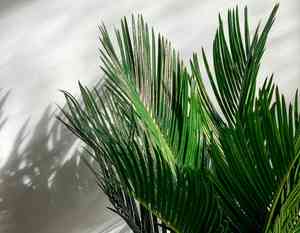
The optimal period for relocating sago palm is from late spring to early summer, as the plant thrives in warmer conditions and consistent development. Select a luminous, adequately drained location for sago palm to flourish, and consistently manage its fragile root structure with caution.
What Preparations are Needed Before Transplanting Sago Palm?
What is the Ideal Time for Transplanting Sago Palm?
The best period for moving your sago palm is as spring ends and summer begins. This timing maximizes its growth potential and minimizes the stress of relocation. Additionally, it gives the sago palm sufficient time to develop roots before winter, increasing its chances of survival. Therefore, planning ahead and preparing as early summer approaches is crucial for a healthy, thriving sago palm. A little effort before transplanting can yield significant benefits!
How Much Space Should You Leave Between Sago Palm Plants?
To allow sago palm ample room to develop, aim for a spacing of approximately 6-8 feet (1.8-2.5 meters) between plants. This provides adequate space for future growth and ensures good air circulation around each specimen.
What is the Best Soil Mix for Sago Palm Transplanting?
For sago palm, select a soil that drains well, ideally a sandy or loamy mixture with a pH ranging from slightly acidic to neutral. Before planting, mix a slow-release, balanced granular fertilizer into the soil to promote robust growth.
Where Should You Relocate Your Sago Palm?
Move sago palm to a spot where it will receive abundant sunlight, preferably full sun for at least 4-6 hours daily. However, it can also tolerate partial shade, especially in regions with hotter climates.
What Equipments Should You Prepare Before Transplantation Sago Palm?
Gardening Gloves
To safeguard your hands while handling soil and the plant.
Shovel or Spade
For digging the new planting hole and extracting the sago palm from its current spot.
Pruning Shears
To trim any damaged or dead roots prior to transplanting.
Garden Fork
To loosen the soil in the new hole, aiding root penetration.
Watering Can or Hose
To provide water to the sago palm during and after the transplant process.
How Do You Remove Sago Palm from the Soil?
How Do You Remove Sago Palm from the Soil?
From Ground: First, hydrate the sago palm to moisten the soil. Next, use a shovel or spade to dig a wide trench around the plant, ensuring the root ball remains intact. Carefully work the spade beneath the root ball to lift the plant from its original position.From Pot: Water the sago palm and let it drain for a few minutes. Turn the pot on its side and gently tap the edges to loosen the root ball. Grasp the plant's base and carefully slide the root ball out of the pot, supporting the stem.From Seedling Tray: Fill a small pot with the appropriate soil mix for sago palm and gently press the soil to create a space for the seedling. Use a small fork or spoon to carefully lift the seedling from the tray, ensuring the roots remain undamaged. Hold the seedling by its leaves, not the stem, to prevent harm during the transfer.
Step-by-Step Guide for Transplanting Sago Palm
Site Preparation
Clear any unwanted plants or debris from the transplant area and loosen the soil with a garden fork to a depth of 12-18 inches.
Hole Digging
Excavate a hole that is twice the width and the same depth as the sago palm's root ball using a shovel or spade.
Root Inspection
Carefully examine the sago palm's roots for any damaged or deceased sections. If necessary, trim them using pruning shears.
Transplanting
Gently lower the sago palm into the hole, ensuring it is upright and centered. Backfill the hole with soil, making sure the root ball is covered and the plant sits at the same soil level as it did previously.
Firming and Watering
Firmly press the soil around the sago palm to eliminate air pockets, ensuring the soil is well-compacted. Water the plant thoroughly to establish good contact between the roots and the soil.
How Do You Care For Sago Palm After Transplanting?
Watering
Maintain consistent moisture in the soil around the sago palm, avoiding sogginess, for the initial few weeks post-transplant to aid in root establishment.
Pruning
Remove any dead or damaged fronds from the sago palm to encourage new growth.
Pest Control
Monitor the sago palm for any indications of pests or diseases, and address them as needed.
Fertilizing
Wait approximately one month after transplanting before applying a slow-release fertilizer to the sago palm to promote robust root development and healthy growth.
Troubleshooting Common Issues with Sago Palm Transplantation.
When is the best time to transplant sago palm?
The optimal period for moving sago palm is from late spring to early summer. This allows the plant ample time to settle before the colder months arrive.
What's the ideal spacing for sago palm while transplanting?
Provide each sago palm with generous room – about 6-8 feet (1.8-2.4 meters). This ensures sufficient space for growth and prevents overcrowding.
Should I water sago palm just after transplanting?
Yes, absolutely! Immediately after relocation, thoroughly water sago palm. This ensures the soil is moist and assists in root establishment.
What to do if my sago palm shows signs of transplant shock?
Stay calm! Keep it adequately watered but avoid overwatering. If feasible, provide a shade cover for the first few days following transplantation.
How deep should I bury the sago palm's root ball while transplanting?
The top of sago palm's root ball should be flush with the soil surface. Do not plant it too deeply, as this could suffocate the roots.
What type of soil is suitable for transplanting sago palm?
Sago palm thrives in well-drained soil. A sandy loam enriched with organic matter offers the perfect environment for its growth.
How to handle the sago palm while transplanting without causing damage?
Crucially, handle sago palm with care. Grasp it at the base, never by its fronds. Avoid shaking the plant, as this can lead to root damage.
What's the importance of pruning sago palm before transplanting?
Pruning sago palm helps mitigate transplant shock. Removing some fronds will lessen stress on the plant by reducing moisture loss.
Should I fertilize sago palm immediately after transplanting?
Refrain from fertilizing newly transplanted sago palm. Allow a few weeks for the plant to become established, then resume your regular fertilizing schedule.
How to prevent root rot after transplanting sago palm?
Avoid excessive watering and ensure the soil drains effectively. This helps maintain healthy sago palm roots and reduces the risk of rot.



