How to Transplant Chinese forget-me-not?
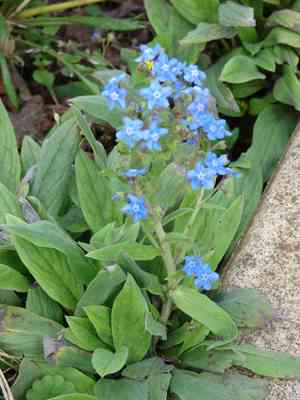
The optimal period for transplanting chinese forget-me-not into your garden is during the peak of spring, providing ideal circumstances for root development. Select a site that receives a mix of shade and sun, and verify that the ground drains effectively. Careful handling is crucial to avoid stressing the roots.
Essential Preparations Before Relocating Chinese Forget-me-not
Optimal Period for Moving Chinese Forget-me-not?
The best time to move chinese forget-me-not is at the start of spring. This timing allows the plants to establish roots before the summer heat. Transplanting chinese forget-me-not when the earth is full of new life promotes strong growth due to mild temperatures and increasing daylight, ensuring delicate roots adapt to their new home. Your chinese forget-me-not will thrive with this early start, growing with strength and resilience.
Recommended Spacing Between Chinese Forget-me-not Plants?
For chinese forget-me-not, ensure each plant is spaced approximately 8-12 inches (20-30 cm) apart. This provides ample room for growth without competing for water and nutrients. Remember, not too close or too far apart!
Ideal Soil Mixture for Chinese Forget-me-not Transplantation?
Chinese forget-me-not thrives in well-draining soil rich in organic matter. Incorporate compost or a slow-release granular fertilizer into the soil beforehand to provide essential nutrients. The soil should be loose and easily crumbled. You're on the right track!
Where to Replant Your Chinese Forget-me-not?
Select a location where chinese forget-me-not will receive full sun or partial shade â approximately six hours of daily sunlight. Sunlight encourages vibrant blooms. So, find that sunny spot in your garden for chinese forget-me-not!
Tools Required Before Transplanting Chinese Forget-me-not
Gardening Gloves
To safeguard your hands while handling the chinese forget-me-not plant and working in the soil.
Trowel
For excavating the hole where the chinese forget-me-not plant will be replanted.
Watering Can
To ensure your chinese forget-me-not plant is adequately hydrated after being moved to its new spot.
Garden Spade
This will be useful for digging up the chinese forget-me-not plant from its original location, ensuring we retrieve as much of the root system as possible.
Gardening Apron
Keeps your attire clean during the process and often includes pockets for carrying other small implements.
Organic Mulch
Applied after transplanting to help maintain soil moisture and suppress weed growth.
How to Extract Chinese Forget-me-not from the Soil?
How to Extract Chinese Forget-me-not from the Soil?
From Ground: Start by using a garden spade to carefully dig around your chinese forget-me-not plant, making sure to leave ample space around the roots to prevent damage. Gently work your spade beneath the plant, lifting the root ball from the ground. If the root ball is very large and heavy, seek assistance to avoid harming the plant or yourself.From Pot: If the chinese forget-me-not plant is in a pot, ensure the soil is sufficiently moist. Turn the pot sideways, gently hold the stems, and tap the bottom of your plantâs container until the plant slides out. You might need to tap it a few times.From Seedling Tray: Gently grasp the base of the chinese forget-me-not plant and lift; if it doesn't come out easily, invert the tray and tap it slightly, and the seedling should emerge. Be very careful not to harm the young root system.
Step-by-Step Guide for Relocating Chinese Forget-me-not
Selecting the Right Moment
The optimal time to transplant your chinese forget-me-not plant is during the cooler parts of the day to prevent dehydration. Morning or evening is preferred.
Preparing the New Site
Using your trowel, dig a hole in your chosen location that is twice as wide as the root system, and deep enough so the chinese forget-me-not plant sits at the same depth as it was in its original spot.
Transplanting
Gently place the chinese forget-me-not plant into the hole and backfill with soil, gently firming the soil with your hands. Ensure there are no air pockets around the roots.
Watering
After planting, water generously, saturating the soil around the plant, which also helps to settle the soil.
Mulching
To help retain moisture and deter weeds, add a layer of organic mulch around the base of the plant, but not touching the stem.
Post-Transplantation Care for Chinese Forget-me-not
Watering
Maintain consistent soil moisture, avoiding overwatering.
Mulching
Replenish the mulch as needed; this should keep the roots cool and retain moisture, but remember the mulch should not touch the chinese forget-me-not plant stem.
Inspection
Regularly check your chinese forget-me-not plant after transplantation for signs of stress, including wilting, yellowing leaves, or a lack of new growth. If these signs appear, consider adjusting care as necessary.
Feeding
It is beneficial to fertilize the plants with an all-purpose plant food one week after transplantation. Thereafter, adhere to the regular feeding schedule of chinese forget-me-not plant.
Resolving Common Issues with Chinese Forget-me-not Transplantation.
When is the best time to transplant chinese forget-me-not?
The ideal period to move chinese forget-me-not is from early spring to mid-summer, effectively covering S1-S2.
What is the ideal spacing for chinese forget-me-not when transplanting?
Placing chinese forget-me-not too close together could hinder growth. They should be positioned 8-12 inches (20-30 cm) apart.
How should I prepare the ground before transplanting chinese forget-me-not?
Clear the area of weeds first, then dig a hole deeper than the root-ball. Loosen and enrich the soil with compost before transplanting chinese forget-me-not.
What should I do if chinese forget-me-notâs leaves wilt after transplanting?
Wilting post-transplant often indicates shock. Keep the soil consistently moist, but avoid overwatering. Shield chinese forget-me-not from intense sun.
How do I ensure proper sunlight when transplanting chinese forget-me-not?
Choose a location that provides chinese forget-me-not with full sun or partial shade for optimal growth. Avoid dark areas.
How to transplant chinese forget-me-not without damaging the roots?
Gently lift the chinese forget-me-not from its original spot, keeping a good amount of soil around the roots to protect them during relocation.
Why is it important to water chinese forget-me-not immediately after transplanting?
This helps to settle the soil around chinese forget-me-not's roots, removing air pockets that could dry them out and reducing transplant shock.
My chinese forget-me-not looks shocked after transplanting, what should I do?
It's common for chinese forget-me-not to show signs of transplant shock. Keep it well-watered, shaded if possible, and be patient. Recovery often takes a few weeks.
What type of soil is ideal for transplanting chinese forget-me-not?
Chinese forget-me-not prefers well-draining soil. We recommend enriching it with compost for best results. If your soil is clay-like, raised beds may be a good option.
How do I control pests after transplanting chinese forget-me-not?
Watch out for common pests like aphids, and treat with appropriate insecticides. Regular monitoring is crucial during the first few weeks after transplanting.



