How to Transplant Winter daphne?
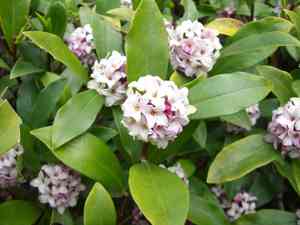
The optimal period for relocating winter daphne is from early to mid-spring, enabling the specimen to develop robust root systems prior to the summer season. Select a site offering dappled sunlight and soil that drains effectively. Ensure sufficient room for expansion and apply a layer of mulch to conserve hydration, facilitating a prosperous transplantation.
What Preparations are Needed Before Transplanting Winter Daphne?
What is the Ideal Time for Transplanting Winter Daphne?
Transplant your winter daphne during the initial phase of spring, from early to mid-season. This period provides prime conditions for growth, enhancing the plant's vitality. Your winter daphne will benefit from increasing sunlight and warming soil, ensuring successful establishment post-transplantation. This precise timing guarantees a beautiful and thriving winter daphne.
How Much Space Should You Leave Between Winter Daphne Plants?
When transplanting winter daphne, maintain a distance of 2-3 feet (60-90 cm) between individual plants. This spacing provides ample room for their development and the display of their lovely blooms and scents.
What is the Best Soil Mix for Winter Daphne Transplanting?
Ensure your soil drains well and is rich in organic material. Consider a blend of garden soil, compost, and sand. Before planting, incorporate a foundational fertilizer, such as a slow-release granular type, to give your winter daphne a strong start.
Where Should You Relocate Your Winter Daphne?
Select a spot with partial shade and protection from intense midday sun for your winter daphne. East or north-facing areas with filtered light or morning sun are perfect, as excessive sun can scorch the leaves of your beautiful plant.
What Equipments Should You Prepare Before Transplantation Winter Daphne?
Gardening gloves
To safeguard your hands while handling soil and plants.
Shovel or spade
These tools are necessary for excavating the plant from its current spot and preparing the new planting site.
Pruning Shears
Utilize these to carefully trim any compromised roots.
Watering can
For keeping the plant hydrated prior to, during, and following the transplanting process.
Tape measure
To verify the planting hole's correct depth and width.
Wheelbarrow or garden cart
Useful for transporting larger or heavier plants.
Mulch
Improves moisture retention and inhibits competing weeds.
How Do You Remove Winter Daphne from the Soil?
How Do You Remove Winter Daphne from the Soil?
From Ground: Start by moistening the soil around the winter daphne plant, which facilitates easier and less stressful removal. Use a shovel to dig around the plant, approximately one foot from the base on all sides. Dig sufficiently deep to get beneath the plant's root ball without harming the roots. Gently lift the plant out of the ground, supporting its weight. Strive to keep the soil around the root ball as intact as possible.From Pot: Water thoroughly. Invert the pot onto its side, and carefully ease out the winter daphne plant, ensuring the root ball remains whole. If the plant is root-bound or has overgrown roots at the bottom, gently loosen them with your hands or a gardening fork.From Seedling tray: Thoroughly water the trays to ensure seedlings and medium are well-saturated. Gently hold the winter daphne seedling by its leaves; never the stem. Use a spoon, stick, or similar implement to loosen the soil around the seedling, then carefully lift it out, again supporting the root ball.
Step-by-Step Guide for Transplanting Winter Daphne
Dig Hole
Measure the width and depth of the winter daphne root ball. Excavate a hole in your chosen spot that is twice as wide as the plant's root ball and equally deep.
Prepare the Plant
Trim any damaged or dead roots from the root ball using pruning shears.
Planting
Position the winter daphne into the hole. The top of the root ball should be level with or slightly above the surrounding soil to allow for settling. Backfill around the root ball, gently compacting the soil to stabilize the plant and eliminate any air pockets.
Watering
Thoroughly water the newly transplanted winter daphne plant. The water will aid the plant in settling and recovering from transplant shock.
How Do You Care For Winter Daphne After Transplanting?
Watering
Maintain consistent moisture in the soil around the winter daphne plant, avoiding saturation, for the initial weeks post-transplant to encourage strong root development.
Pruning
Remove any dead or damaged stems and leaves to stimulate new growth.
Mulching
Apply a layer of mulch around the plant's base (without touching the stem) to retain soil moisture and regulate temperature.
Monitoring
Observe for indications of transplant shock, such as wilting or yellowing foliage, to address issues promptly.
Troubleshooting Common Issues with Winter Daphne Transplantation.
When is the ideal time to transplant winter daphne?
The optimal period to move winter daphne is from early to mid-spring. This timing supports robust new growth.
How should I space winter daphne during transplanting?
Appropriate spacing is crucial for healthy winter daphne growth. Maintain a distance of approximately 2-3 feet (60-90 cm) between each plant.
Why is my transplanted winter daphne wilting?
Winter daphne may wilt due to transplant shock. This can be managed by thoroughly watering the plant immediately after transplantation, and regularly thereafter.
Should winter daphne transplanting hole be wider or equal to its root spread?
The hole should be both wider and deeper than the winter daphne's root ball to allow for better root expansion and growth.
My transplanted winter daphne is not showing any growth, why?
Transplantation requires some time for plants to adapt. If the winter daphne is adequately watered and in suitable light conditions, be patient; growth will eventually appear.
Can I transplant winter daphne in summer?
It is not advisable to transplant winter daphne in summer, as the heat can cause additional stress. Early to mid-spring offers a more favorable transplanting window.
Are there any special soil requirements for transplanting winter daphne?
Winter daphne prefers soil that is rich in humus and well-drained. A soil pH between 6.0 and 7.5 will contribute to successful transplantation.
How much should I water winter daphne after transplanting?
Water your winter daphne generously right after transplantation. Subsequently, ensure the soil remains moist but not waterlogged. Overwatering can harm the plant.
Should I prune winter daphne before or after transplanting?
Pruning before transplanting can help winter daphne direct its energy towards root development. Trim off any dead or damaged branches and reduce the canopy by about one-third.
Can I add fertilizer while transplanting winter daphne?
While not strictly necessary during transplantation, a slow-release granular fertilizer can supply essential nutrients for winter daphne's initial growth.



