How to Transplant Dwarf larkspur?
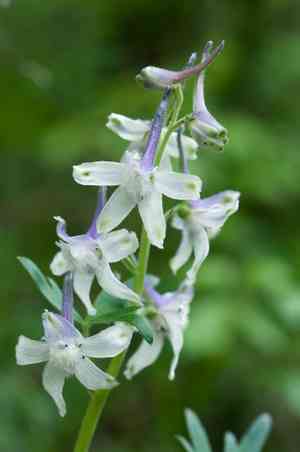
The optimal window for relocating dwarf larkspur spans from mid-to-late spring, coinciding with the robust resumption of growth phases. Select a location offering partial shade to foster its development. Careful manipulation during the transfer process is crucial for preserving its fragile root system.
What Preparations are Needed Before Transplanting Dwarf Larkspur?
What is the Ideal Time for Transplanting Dwarf Larkspur?
The best period for moving dwarf larkspur is during its active growth phase in early to mid-spring. Relocating dwarf larkspur at this time of garden awakening utilizes its natural growth cycle for a smooth transition. Shifting dwarf larkspur then takes advantage of cooler temperatures and increasing daylight, which encourage strong root development without the stress of summer heat. This strategic timing ensures dwarf larkspur settles in well with optimal conditions for successful blooming.
How Much Space Should You Leave Between Dwarf Larkspur Plants?
When getting ready to transplant dwarf larkspur, imagine small steps in your garden, with each step being about 10 inches (25 cm) apart. This spacing allows each dwarf larkspur to have its own area to thrive without feeling cramped.
What is the Best Soil Mix for Dwarf Larkspur Transplanting?
Picture placing dwarf larkspur into a bed of well-draining, loamy soil. It's like Goldilocks' choiceânot too dense, not too loose, just right. Before transplanting, mix in a mild, balanced fertilizer to welcome dwarf larkspur to its new spot.
Where Should You Relocate Your Dwarf Larkspur?
Consider dwarf larkspur a fan of filtered sunlight, flourishing in a spot where the sun peeks through. Select a location where dwarf larkspur can enjoy partial sunlight, shielded from intense midday rays, ensuring a happy move.
What Equipments Should You Prepare Before Transplantation Dwarf Larkspur?
Gardening Gloves
To safeguard your hands while handling soil and plants.
Shovel or Spade
For excavating the plant and preparing the new planting site.
Garden Trowel
Useful for smaller or more delicate tasks during the transplanting process.
Watering Can
To hydrate the plant both prior to and following its relocation.
Pruning Shears
To trim any dead or excess plant parts before moving it.
Wheelbarrow or Garden Cart
To move the plant and soil efficiently.
Transplant Fertilizer
To provide an initial nutrient boost at the new location.
How Do You Remove Dwarf Larkspur from the Soil?
How Do You Remove Dwarf Larkspur from the Soil?
From Ground: First, water the dwarf larkspur plant to moisten the soil. Use a shovel or spade to dig a wide circle around the dwarf larkspur, being careful to avoid damaging the root ball. Gently lift the plant out of the ground, preserving as much of the root system as possible.From Pot: Water the dwarf larkspur thoroughly. Tip the pot sideways and gently tap or squeeze to loosen the plant. Gradually ease the plant out, making sure to support the root ball to prevent damage.From Seedling Tray: Water the dwarf larkspur seedlings to ensure the soil is damp. Carefully loosen the soil around the seedling using a trowel or your fingers. Gently lift the seedling by its leaves, not the stem, to avoid causing harm.
Step-by-Step Guide for Transplanting Dwarf Larkspur
Site Preparation
Clear the chosen area of weeds and debris. Loosen the soil with a shovel to aerate it and allow for better root penetration.
Hole Digging
Dig a hole that's twice as wide and approximately the same depth as the dwarf larkspur's root ball.
Plant Inspection
Before transplanting, examine the dwarf larkspur and trim any damaged or overly long roots with pruning shears. Also, remove any dead or damaged foliage.
Placement
Position the dwarf larkspur into the hole at the same depth it was growing previously. Ensure that the plant is standing upright.
Filling
Carefully fill in around the root ball with soil, gently pressing down to remove air pockets without compacting the soil too tightly.
Watering
Water the dwarf larkspur generously immediately after transplanting to settle the soil and hydrate the roots.
Mulching
Apply a layer of mulch around the dwarf larkspur, leaving some space around the stem to prevent rot and maintain soil moisture.
How Do You Care For Dwarf Larkspur After Transplanting?
Initial Watering
Ensure that the soil around the dwarf larkspur remains consistently moist for the first few weeks to encourage root growth. Avoid excessive watering which can lead to root rot.
Monitoring
Keep an eye on the dwarf larkspur for signs of transplant shock, such as wilting or yellowing leaves, and take action as needed.
Weeding
Remove weeds regularly to prevent competition for nutrients and water.
Support
If the dwarf larkspur is tall or in a windy area, consider staking or using other supports to prevent damage.
Fertilizing
After a few weeks, apply a transplant fertilizer to support the dwarf larkspur during its establishment period.
Observation
Regularly check for pests or diseases and take appropriate measures to address any issues early on.
Troubleshooting Common Issues with Dwarf Larkspur Transplantation.
What's the best time to transplant dwarf larkspur?
Optimal transplanting time for dwarf larkspur is from mid to late spring when soil is warm and frost risk is minimal.
How far apart should I space dwarf larkspur when transplanting?
Space dwarf larkspur at intervals less than 12 inches (30 cm) to promote good air circulation and growth.
How should dwarf larkspur be watered after transplanting?
Water dwarf larkspur generously after transplanting to settle soil, then maintain a consistent moisture level without overwatering.
Why is my dwarf larkspur wilting after transplanting?
Wilting may occur from transplant shock. Ensure proper soil moisture and protect dwarf larkspur from harsh sunlight for a few days.
Can I fertilize dwarf larkspur right after transplanting?
Wait a few weeks before fertilizing dwarf larkspur to allow roots to establish without burning them with excess nutrients.
What type of soil is ideal for transplanting dwarf larkspur?
Use well-draining soil rich in organic matter to provide dwarf larkspur with a nurturing environment.
Does dwarf larkspur require full sun after transplanting?
Plant dwarf larkspur in a location with full to partial sun, ensuring it gets light but is shielded from the hottest rays.
What should I do if transplanting dwarf larkspur seems stunted?
Ensure dwarf larkspur is not overcrowded, receiving enough water, and check for signs of pests or diseases as possible reasons for stunted growth.
How deep should the hole be when transplanting dwarf larkspur?
Dig a hole as deep as the root ball and twice as wide, to accommodate root expansion.
How can I protect dwarf larkspur from pests after transplanting?
Regularly inspect your dwarf larkspur, maintain healthy soil, and use organic pest controls if necessary.



