How to Transplant Carnation?
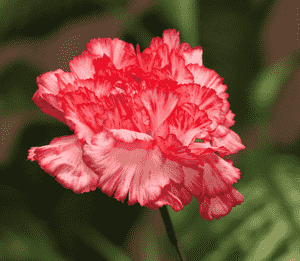
The optimal period for relocating carnation is from mid-spring to the beginning of summer, when temperatures are moderate and stable. Select a bright spot with soil that drains effectively for superior development. Carefully untangle the root mass prior to transplanting, if necessary, to ensure a seamless procedure.
What Preparations are Needed Before Transplanting Carnation?
What is the Ideal Time for Transplanting Carnation?
The optimal period to move carnation is from mid-spring to early summer, which promotes robust development and abundant blooms. This timing leverages warmer temperatures and extended daylight hours that foster carnation to their fullest potential.
How Much Space Should You Leave Between Carnation Plants?
For carnation transplantation, aim to maintain a separation of approximately 6-12 inches (15-30 cm) between each specimen. This will guarantee ample room for their growth and the development of strong root systems.
What is the Best Soil Mix for Carnation Transplanting?
Prepare the soil for carnation by creating a mixture that drains effectively, combining loamy or sandy soil with organic material, such as compost. Incorporate a slow-release fertilizer to provide nutrients to the plants throughout the growing season.
Where Should You Relocate Your Carnation?
Locate a site for transplanting carnation that receives a minimum of 6 hours of daily sunlight. Ensure the area offers some shelter from strong gusts, as carnation can be quite delicate and susceptible to harm.
What Equipments Should You Prepare Before Transplantation Carnation?
Gardening Gloves
To safeguard your hands while handling the soil and the carnation plant.
Shovel or Trowel
To excavate holes and remove earth when relocating the carnation plant.
Scissors or Pruners
To trim any damaged or superfluous foliage and roots during the relocation process.
Watering Can or Hose
To hydrate the carnation plant and facilitate working with the soil, both at its initial spot and the new planting area.
How Do You Remove Carnation from the Soil?
How Do You Remove Carnation from the Soil?
- From Ground:Moisten the carnation plant to dampen the earth. Dig a broad trench around the plant using a shovel or spade, ensuring the plant's root ball remains intact. Carefully work the spade beneath the root ball to lift the plant from its original position.- From Pot:Water the carnation plant and allow it to absorb moisture for several minutes. Place your hand on the soil, supporting the plant with your fingers, and invert the pot. Gently tap or squeeze the pot and extract the plant with its root ball intact. If the plant is stuck, slide a knife around the edges to loosen the root ball.- From Seedling Tray:Water the carnation seedling, and use a small trowel or spoon to ease it beneath the root ball of the seedling. Lift the plant carefully to avoid damaging the roots.
Step-by-Step Guide for Transplanting Carnation
Preparation
Prepare the new planting site by digging holes that are twice as wide and deep as the root ball of your carnation plant. Space each hole 12-15 inches apart to allow for proper development.
Root Pruning
Inspect the roots of your carnation plant, and use scissors or pruners to trim any damaged, dead, or excessively long roots.
Planting
Position the carnation plant in the center of the prepared hole, ensuring the top of the root ball is level with the ground. Gently backfill soil around the root ball, firming the soil as you proceed, but avoid over-compacting it.
Watering
Thoroughly water the transplanted carnation plant, making sure to saturate the soil surrounding the root ball. This will help eliminate any air pockets and settle the soil around the roots.
How Do You Care For Carnation After Transplanting?
Watering
Keep the soil around the carnation consistently moist, but not waterlogged, for the initial weeks after transplanting to aid in establishing strong roots.
Mulching
Apply a 5 cm to 3 inches layer of organic mulch, such as bark or compost, around the base of the carnation to help retain moisture and suppress weeds. Leave a small gap around the plant's base to prevent rot.
Fertilizing
Add slow-release granular fertilizer to the planting area after transplanting, following the package directions for correct application rates. This will supply nutrients to support continued growth and flowering.
Staking
If your carnation plants are tall, consider providing stakes for support to prevent them from toppling over due to wind or heavy blooms.
Troubleshooting Common Issues with Carnation Transplantation.
What's the best time to transplant carnation?
Relocate carnation in mid-spring to early summer, once the soil has warmed and any risk of frost has passed.
How far apart should I space carnation when transplanting?
Space carnation 6-12 inches (15-30 cm) apart to ensure they have adequate room for proper growth and development.
What's the ideal soil condition for transplanting carnation?
Transplant carnation in well-draining soil, rich in organic matter, with a pH of 6.0-7.5 for optimal growth.
Do I need to water carnation right after transplanting?
Yes, water carnation immediately after transplanting to help them settle into their new location and minimize stress.
How deep should I plant carnation when transplanting?
Plant carnation at the same depth as their original container to prevent stem rot and ensure proper growth.
Should I prune carnation after transplanting?
Prune any dead, damaged, or excessively long shoots of carnation after transplanting to encourage healthy growth and bloom.
What's the ideal transplanting location for carnation?
Transplant carnation in a sunny spot with 6-8 hours of sunlight per day and protection from strong winds.
How do I prevent transplant shock in carnation?
Gently loosen the root ball, water thoroughly, and add mulch after transplanting to reduce shock and promote growth.
Do I need to fertilize carnation after transplanting?
Apply a slow-release fertilizer at transplanting time, following the package instructions for optimal growth and bloom.
What if my carnation wilts after transplanting?
Be patient and ensure consistent watering, proper sun exposure, and balanced fertilization to help carnation recover from transplant stress.



