How to Transplant Chinese pink?
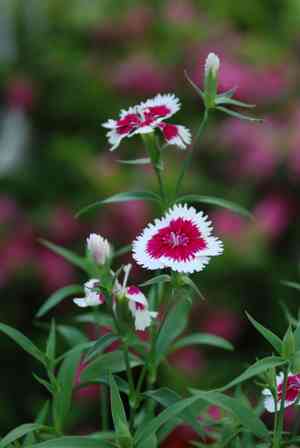
The ideal period for relocating chinese pink is during the pleasant shift from the latter part of spring into the initial phase of summer. Select a bright, adequately drained spot to guarantee prime development. When moving the plant, carefully manage chinese pink to lessen root disruption, thereby ensuring a prosperous transfer.
What Preparations are Needed Before Transplanting Chinese Pink?
What is the Ideal Time for Transplanting Chinese Pink?
The optimal period for relocating chinese pink is from late spring to early summer, a prime time when new growth fully emerges. This timing provides chinese pink with a strong start, promoting vigorous development. It minimizes shock and boosts the survival rate for your beautiful chinese pink. Truly, it's a moment every gardener will appreciate!
How Much Space Should You Leave Between Chinese Pink Plants?
When transplanting your chinese pink, aim for a separation of 6-12 inches (15-30 cm) between plants. This provides ample room for growth and ensures adequate air circulation.
What is the Best Soil Mix for Chinese Pink Transplanting?
Prepare the soil with a well-draining foundation and enrich it with organic material such as compost. Incorporate a balanced, slow-release fertilizer to give the chinese pink a robust beginning.
Where Should You Relocate Your Chinese Pink?
Select a location that receives either full sun or partial shade, as chinese pink thrives in these conditions. Ensure the chosen spot also has good air movement to encourage healthy plant development.
What Equipments Should You Prepare Before Transplantation Chinese Pink?
Gardening Gloves
To safeguard your hands while handling soil and the chinese pink plant.
Shovel or Trowel
For excavating a hole of suitable dimensions for transplanting.
Watering Can
To hydrate the plant both prior to and following transplantation.
Compost
To supply essential nutrients for the plant's healthy development.
Mulch
To help retain soil moisture after the transplanting process.
Stake and Ties
To offer support to the plant and shield it from strong gusts of wind.
How Do You Remove Chinese Pink from the Soil?
How Do You Remove Chinese Pink from the Soil?
From Ground: First, moisten the chinese pink plant's soil. Then, use a shovel or trowel to dig a wide trench around the plant, ensuring the root ball remains intact. Carefully work the trowel beneath the root ball to lift the plant from its original spot.From Pot: Water the chinese pink plant thoroughly before removal. Gently extract the plant, guiding it out with your hands. Be careful not to damage the roots.From Seedling Tray: Begin by watering the seedlings well in their tray. Next, using a spoon or small trowel, carefully scoop out the seedling along with its root ball. Avoid damaging the roots during this process.
Step-by-Step Guide for Transplanting Chinese Pink
Preparation
Prepare the new planting site before extracting the chinese pink plant. Dig a hole approximately twice the width of the root ball and of similar depth.
Placing
Position the chinese pink plant into the hole, ensuring it stands upright. The top of the root ball should be level with the surrounding ground.
Backfilling
Refill the hole with the same soil you removed, mixed with some compost if available. Gently press the soil around the plant to eliminate any air pockets.
Watering
Water the plant thoroughly immediately after transplanting. Continue watering in the subsequent days to keep the soil moist.
Mulching
Spread a layer of mulch around the plant's base to help retain moisture.
Staking
Provide stakes for the plant if necessary, to offer support and protect it from strong winds.
How Do You Care For Chinese Pink After Transplanting?
Watering
Keep the soil around the chinese pink consistently damp, but not waterlogged. During warmer periods or dry spells, more frequent watering may be necessary.
Mulching
Replenish the mulch layer as needed. Mulching aids in maintaining soil moisture and regulating soil temperature.
Pruning
Lightly prune chinese pink after transplanting to encourage a bushier form. Remove spent flowers to promote further blooming.
Staking
Periodically check if the stakes are still providing adequate support as the plant grows. Adjust or replace stakes if required.
Pest and Disease Management
Regularly inspect the chinese pink plant for any indications of pests or diseases. Identify the problem and address it early for the plant's well-being.
Troubleshooting Common Issues with Chinese Pink Transplantation.
When is the ideal time to transplant chinese pink?
The optimal period to move your chinese pink is from late spring to early summer, as it prefers moderate temperatures and extended daylight hours.
How far apart should I space my chinese pink plants when transplanting?
Ensure your chinese pink plants are spaced approximately 6-12 inches (15-30 cm) apart. This allows each plant sufficient room to grow and thrive.
How deeply should I plant the chinese pink during transplantation?
When transplanting chinese pink, make sure the top of the root ball is flush with the soil surface. Exposed roots could hinder growth or harm the plant.
What type of soil should I use for transplanting chinese pink?
Chinese pink prefers well-drained, fertile soil with a pH between 6 and 7.5. If transplanting into a container, use a high-quality potting mix.
What is the best way to water chinese pink after transplanting?
Keep the soil consistently moist but avoid overwatering. Excessive water can lead to root rot and other ailments. Therefore, ensure good drainage.
What kind of light does chinese pink need after transplantation?
After transplantation, chinese pink requires full sun to partial shade. A minimum of six hours of daily sunlight is ideal for its growth and flowering.
Should I prune my chinese pink after it's been transplanted?
Pruning is generally not required immediately after transplanting. However, consistent deadheading of faded flowers can encourage more blooms and keep your chinese pink looking neat.
How do I protect my transplanted chinese pink from pests or diseases?
Maintain clean and healthy growing conditions. Regular inspection will help detect any pests or signs of disease early. If found, use organic or chemical treatments as necessary.
Is it necessary to fertilize chinese pink after transplanting?
Chinese pink benefits from regular feeding. After transplanting, consider using a balanced, slow-release fertilizer to support its growth and flowering.
My transplanted chinese pink looks wilted. What should I do?
Firstly, remain calm. Ensure it receives the correct amount of water and sunlight, and consider using a shade cloth to protect the plant during the hottest part of the day.



