How to Transplant Dutchman's breeches?
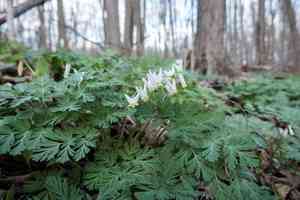
The most favorable time for transplanting dutchman's breeches is from late spring through early summer, offering an ideal environment for root development. Select a site that is shaded, featuring damp, adequately draining earth. Careful manipulation of the root system during this procedure fosters successful adaptation.
What Preparations are Needed Before Transplanting Dutchman's Breeches?
What is the Ideal Time for Transplanting Dutchman's Breeches?
The optimal period for relocating dutchman's breeches is during late spring or early summer. This timing allows dutchman's breeches to develop strong root systems while temperatures are mild and soil moisture is plentiful, encouraging successful growth. Transplanting at this time supports a smooth transition and boosts the plant's vitality, preparing it for the coming seasons.
How Much Space Should You Leave Between Dutchman's Breeches Plants?
For dutchman's breeches, providing ample room to thrive is crucial. We suggest spacing each plant approximately 1-2 feet (30.5-61 cm) apart. This provides sufficient space for roots to expand and ensures each plant receives adequate nutrients. Happy planting!
What is the Best Soil Mix for Dutchman's Breeches Transplanting?
Dutchman's breeches thrives in rich, well-drained soil. To prepare, mix your garden soil with compost or organic material. Incorporate a slow-release base fertilizer to give the plant a nutritious head start. Remember, excellent soil leads to a thriving plant!
Where Should You Relocate Your Dutchman's Breeches?
The ideal spot for your dutchman's breeches should offer partial shade. It prefers filtered sunlight over full, direct sun exposure. Partially shaded areas protect plants from intense midday sun rays. Your dutchman's breeches will appreciate the thoughtful placement!
What Equipments Should You Prepare Before Transplantation Dutchman's Breeches?
Gardening Gloves
Used for hand protection while working with soil and plants.
Trowel
To carefully extract the plant from its original spot and excavate a hole at the new site.
Watering Can or Hose
To hydrate the plant before and after its relocation.
Mulch
To help retain soil moisture around the plant post-transplant.
Shovel or Spade
Essential if moving dutchman's breeches from a ground location.
Pruning Shears
To trim any damaged roots or foliage during the transplanting process.
How Do You Remove Dutchman's Breeches from the Soil?
How Do You Remove Dutchman's Breeches from the Soil?
From Ground: To transplant dutchman's breeches from the ground, first, water the plant to moisten the soil. Then, dig a wide trench around the plant using a spade or shovel, ensuring the root ball remains intact. Next, carefully work the shovel under the root ball to lift the plant. Avoid damaging any roots or stems.From Pot: If dutchman's breeches is in a pot, water it lightly. Once the water is absorbed, invert the pot while holding your hand over the soil. The plant and its root system should slide out. Avoid yanking or pulling the plant as it could harm the foliage.From Seedling Tray: If growing dutchman's breeches from a seedling tray, use a trowel to gently lift the seedling from the tray, trying to disturb the roots as little as possible.
Step-by-Step Guide for Transplanting Dutchman's Breeches
Root Pruning
Inspect the roots and remove any damaged or dead ones using pruning shears.
Digging
Excavate a hole in the new location with the trowel. This hole should be wide and deep enough to accommodate dutchman's breeches's root ball.
Placement
Position your dutchman's breeches in the center of the hole, ensuring it's upright. Backfill around the plant with soil, making sure the plant is stable and not wobbly.
Watering
Water the dutchman's breeches thoroughly after transplanting, ensuring the water reaches the roots.
Mulching
Apply a layer of mulch around the dutchman's breeches to help retain moisture.
How Do You Care For Dutchman's Breeches After Transplanting?
Watering
Ensure consistent soil moisture, but avoid waterlogging, as the dutchman's breeches establishes itself in its new spot.
Trimming
Prune any wilting or browning leaves that appear after transplanting. This will encourage fresh growth.
Monitoring
Watch for any signs of transplant shock, such as yellowing, wilting, or dropping leaves. If observed, reduce environmental stressors like sun or wind, and ensure the plant remains adequately hydrated.
Fertilization
Wait at least one month to fertilize after transplanting dutchman's breeches to prevent damage to the delicate new roots.
Troubleshooting Common Issues with Dutchman's Breeches Transplantation.
What is the best time of the year to transplant dutchman's breeches?
Transplant dutchman's breeches during late summer to early autumn, denoted as S3-S4, when the plant is dormant.
How much space should be provided between transplanted dutchman's breeches?
Ensure approximately 1-2 feet (30-60 cm) of space between each dutchman's breeches. This aids proper growth and disease prevention.
What soil type is best for transplanting dutchman's breeches?
Select well-drained soil enriched with organic matter. Dutchman's breeches prefer a slightly acidic to neutral pH for optimal growth.
What's the best depth to plant dutchman's breeches during transplanting?
Bury dutchman's breeches tubers at a depth of about 1-2 inches (3-5 cm), with the 'eye' facing upwards.
How should I water dutchman's breeches after transplanting?
Water dutchman's breeches thoroughly immediately after transplanting. They prefer moist but not waterlogged soil.
What can I do if my transplanted dutchman's breeches appears wilted or discolored?
If the dutchman's breeches wilts or discolors after transplanting, it may be due to excessive sun exposure or insufficient watering.
How should I take care of dutchman's breeches after transplanting if the temperature dips?
Protect your transplanted dutchman's breeches by covering them or moving them indoors if feasible, when a sudden temperature drop is anticipated.
What should I do if the dutchman's breeches looks dry after transplanting?
If dutchman's breeches appears dry, increase watering but avoid over-saturating. Provide shade if it is exposed to direct sunlight.
Why are my dutchman's breeches not flowering after being transplanted?
Dutchman's breeches may not bloom if their location, soil, or deep shade conditions are unsuitable. Ensure the environment is appropriate.
What should I do if pests or diseases attack the transplanted dutchman's breeches?
In the event of a pest or disease outbreak, apply organic or prescribed pesticides. Remove any infected parts to prevent further spread.



