How to Transplant Asian crabgrass?
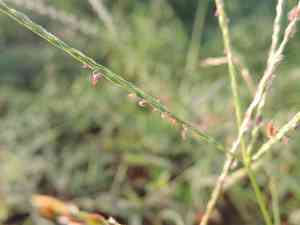
The ideal period for relocating asian crabgrass spans from the revitalizing onset of spring through the initial warmth of summer. Select a brightly lit spot featuring soil that drains effectively. Bear in mind that minimizing disruption to the root system is crucial for asian crabgrass to flourish after being moved.
What Preparations are Needed Before Transplanting Asian Crabgrass?
What is the Ideal Time for Transplanting Asian Crabgrass?
The best time to move asian crabgrass is from the start of spring until early summer. This period offers mild weather, which helps roots settle and reduces transplant shock. Moving asian crabgrass then allows it to benefit from longer days and moderate temperatures, aiding its adjustment and strong development. This timely relocation helps asian crabgrass thrive, improving your garden's look and biodiversity.
How Much Space Should You Leave Between Asian Crabgrass Plants?
When arranging your asian crabgrass, aim for a separation of about 6-8 inches (15-20 cm). This provides each plant sufficient room to grow without competing for nutrients.
What is the Best Soil Mix for Asian Crabgrass Transplanting?
For asian crabgrass, utilize well-draining soil with a pH near neutral. Enhance the soil with a balanced, slow-release fertilizer to give your plants a nourishing start.
Where Should You Relocate Your Asian Crabgrass?
Choose a sunny spot for your asian crabgrass, as it flourishes with abundant light. In exceptionally hot regions, a location offering some afternoon shade will help safeguard the plant.
What Equipments Should You Prepare Before Transplantation Asian Crabgrass?
Gardening Gloves
To shield your hands while handling soil and plants.
Shovel or Spade
For digging up the plant and preparing a hole for its new location.
Watering Can or Hose
To hydrate the plant before removal and after replanting.
Wheelbarrow or Plant Carrier
To safely move the plant from its original spot to the new one.
Pruning Shears
To trim any damaged roots or leaves prior to transplanting.
Garden Trowel
For more precise digging tasks, especially useful for extracting plants from containers or trays.
Root Pruning Saw (if applicable)
To cut through larger, tough roots when removing from the ground.
How Do You Remove Asian Crabgrass from the Soil?
How Do You Remove Asian Crabgrass from the Soil?
From Ground: First, water the asian crabgrass plant to moisten the soil. This makes digging easier and lessens plant stress. Next, use a shovel or spade to dig a wide trench around the plant, ensuring you go deep enough to keep most of the root system intact. Gently work beneath the plant to lift it out, being careful to maintain the root ball.From Pot: Begin by watering the asian crabgrass plant to loosen the soil. Invert the pot and gently tap the bottom to help the plant slide out. You might need to run a garden trowel along the inner edge if the plant is root-bound.From Seedling Tray: Water the tray to ensure the soil is damp, which will help the roots slide out more easily. Use a garden trowel or your fingers to carefully lift the asian crabgrass seedling, along with the surrounding soil, from its tray slot.
Step-by-Step Guide for Transplanting Asian Crabgrass
Preparation
Prepare the new site by digging a hole twice the width of the asian crabgrass plant's root ball and of equal depth. This allows roots to spread easily in their new environment.
Root Ball Handling
Handle the root ball with care. If soil is detaching and roots are exposed, place the asian crabgrass plant onto burlap or a tarp to aid transport without losing soil or harming roots.
Plant Positioning
Position the asian crabgrass plant in the center of the hole. The top of the root ball should be even with the surrounding ground to encourage proper root growth and water drainage.
Soil Replacement
Carefully refill the hole with soil, gently tamping it down around the root ball to eliminate air pockets. Avoid compacting the soil too much, as this can hinder root growth.
Watering In
Water the asian crabgrass plant thoroughly after transplanting to settle the soil and hydrate the roots. The water will also help remove any remaining air pockets.
Stabilization
If the asian crabgrass plant is large or the location is windy, consider staking the plant for support until its roots establish in the new spot.
How Do You Care For Asian Crabgrass After Transplanting?
Monitoring for Stress
Inspect the asian crabgrass plant daily for signs of transplant shock, such as wilting leaves or discolored foliage. Provide shade if the plant appears to be struggling with the change.
Regular Watering
Ensure the asian crabgrass plant receives sufficient water to keep the soil consistently moist, but not waterlogged. Over the next few weeks, this will support the development of new roots.
Protecting from Pests
Watch for pests that might attack the weakened asian crabgrass plant and address any infestations promptly to help the plant recover more effectively from transplanting.
Troubleshooting Common Issues with Asian Crabgrass Transplantation.
Why is my asian crabgrass not thriving post-transplant?
Insufficient watering or root disturbance during transplant could cause stress. Maintain consistent moisture and handle roots gently.
When is the best time to transplant asian crabgrass?
Choose early to late spring, as mild temperatures support root establishment without the stress of extreme heat or cold.
What's the ideal distance between asian crabgrass transplants?
Spacing asian crabgrass ideally at 6-8 inches (15-20 cm) apart provides ample room for growth and prevents overcrowding.
What should I do if asian crabgrass transplants wilt?
Wilting may signal water stress or root damage. Ensure soil is moist and protect plants with some shade until they recover.
How deep should asian crabgrass's roots be planted?
Roots of asian crabgrass should be planted to the same depth as they were previously growing to prevent stress and promote health.
What soil conditions favor asian crabgrass transplanting?
Well-draining soil rich in organic matter offers the best environment for asian crabgrass to establish roots and flourish.
Can I transplant asian crabgrass during summer or fall?
Transplanting asian crabgrass in summer or fall is not ideal due to heat stress and insufficient time for root establishment before winter.
Should I fertilize asian crabgrass after transplanting?
Wait a few weeks before fertilizing to avoid burning delicate new roots, then use a balanced fertilizer to encourage growth.
How much sunlight does asian crabgrass need after transplanting?
After transplanting, asian crabgrass requires ample sunlight. However, if the weather is particularly hot, provide some afternoon shade.
Why are my asian crabgrass transplants turning yellow?
Yellowing can result from overwatering, nutrient deficiencies, or shock. Adjust watering, test soil, and give asian crabgrass time to adapt.



