How to Transplant Virginia buttonweed?
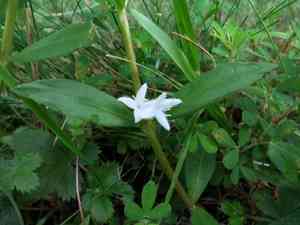
The ideal period for relocating virginia buttonweed is throughout its active growth phase, from mid-spring to early summer, which facilitates robust root development. Select a location with good drainage and ample sun exposure, and ensure continuous hydration for virginia buttonweed to flourish after being moved.
What Preparations are Needed Before Transplanting Virginia Buttonweed?
What is the Ideal Time for Transplanting Virginia Buttonweed?
Choosing the vibrant period from mid-spring to early summer ensures virginia buttonweed establishes successfully, benefiting from moderate temperatures and consistent moisture.
How Much Space Should You Leave Between Virginia Buttonweed Plants?
For virginia buttonweed, an optimal spacing between individual plants is approximately 1-2 feet (30.48 - 60.96 cm). This provides each plant sufficient room to develop and spread. Remember, insufficient space may lead to overcrowding and hinder growth, so space them generously!
What is the Best Soil Mix for Virginia Buttonweed Transplanting?
For virginia buttonweed, any soil that drains well will suffice. However, for optimal outcomes, select sandy or loamy soil. Regarding fertilization, a slow-release granular fertilizer at the plant's base can encourage robust growth. Novices, avoid over-fertilizing: sometimes, less is more.
Where Should You Relocate Your Virginia Buttonweed?
Virginia buttonweed thrives in sunlight, so select a spot where it will receive at least 6-8 hours of sun daily. In hotter climates, some afternoon shade will be beneficial! A sunny location promotes healthy development and encourages abundant blooms, so let them absorb those rays!
What Equipments Should You Prepare Before Transplantation Virginia Buttonweed?
Gardening Gloves
To safeguard your hands while handling the plant and soil.
Shovel or Garden Spade
Utilized for digging the hole for the virginia buttonweed plant and extracting it from its original spot.
Gardening Trowel
Perfect for removing the plant when it's in a pot or seedling tray.
Watering Can or Hose
For hydrating the plant both before and after transplantation.
Pruning Shears
May be necessary to trim the virginia buttonweed plant prior to or following transplanting.
Wheelbarrow
Useful for moving the virginia buttonweed plant from its initial location to the new planting site, especially if the plant is large.
How Do You Remove Virginia Buttonweed from the Soil?
How Do You Remove Virginia Buttonweed from the Soil?
From Ground: Begin by watering the virginia buttonweed plant to moisten the soil, facilitating easier removal. Use a garden spade to dig a wide trench around the plant, ensuring the root ball remains intact. Work the spade beneath the root ball, then gently lift the plant from its position. Be careful not to harm the roots as this can impede the plant's growth post-transplant.From Pot: Ensure the soil in the pot is damp to prevent root damage. Use a gardening trowel to carefully scoop out the virginia buttonweed plant along with its root ball. If the plant is stuck, gently tap the pot's edges until the plant loosens.From Seedling Tray: Extract the virginia buttonweed plant from its seedling tray with a small trowel or even your hands, making sure to retain most of its soil and root structure. Handle the seedlings delicately to avoid damaging the plant.
Step-by-Step Guide for Transplanting Virginia Buttonweed
Preparation
Water the virginia buttonweed thoroughly a few hours before the planned transplantation to help minimize transplant shock.
Digging
Excavate a hole in the new location that is twice as wide as the plantâs root ball and slightly less deep. The top of the root ball should slightly extend above the soil surface.
Planting
Position the virginia buttonweed plant in the hole, ensuring it is not planted deeper than it was in its initial spot. Backfill the hole with soil, pressing down firmly to eliminate air pockets.
Watering
Water the virginia buttonweed plant thoroughly after transplanting. This will aid the plant in recovering from the shock and encourage it to establish in the new location.
Monitoring
Observe the virginia buttonweed plant for several weeks following transplantingâmonitor its water intake, look for unusual signs in leaf color or growth, and adjust care as necessary.
How Do You Care For Virginia Buttonweed After Transplanting?
Mulching
Apply a layer of organic mulch around the virginia buttonweed plant after transplanting, which helps retain soil moisture and suppress weeds. Avoid piling it against the stem as this can promote disease and pest issues.
Pruning
Trim off any broken or dead branches after transplanting, which can help the virginia buttonweed direct its energy towards establishing new roots.
Regular Checks
Inspect the plant frequently for signs of stress or disease, especially in the initial weeks after transplanting. At the slightest indication of abnormal symptoms, consult a local nursery or horticultural expert for guidance.
Troubleshooting Common Issues with Virginia Buttonweed Transplantation.
What's the ideal period for transplanting virginia buttonweed?
The optimal time for transplanting virginia buttonweed is from late spring to early autumn (Seasons 2-4). This is when the plant's growth is most robust.
What considerations are there for virginia buttonweed's transplant spacing?
To ensure healthy development, maintain a distance of 1-2 feet (30-60 cm) between each virginia buttonweed during transplantation. This provides ample room for root expansion.
How to prepare the ground for virginia buttonweed transplantation?
Begin by tilling the soil to a depth of 10-12 inches (25-30 cm). Incorporate compost to boost fertility. Ensure the ground is level for consistent planting depth.
Does virginia buttonweed require special care immediately after transplantation?
Yes, provide sufficient water post-transplant to keep the soil adequately moist. However, prevent waterlogging as this can lead to root rot.
Are there any specific soil requirements for transplanting virginia buttonweed?
Yes, virginia buttonweed prefers well-draining soil. Mix organic matter into heavy soils to enhance their structure and drainage properties for successful transplantation.
What to do if my newly transplanted virginia buttonweed shows signs of wilting?
Wilting could indicate transplant shock. Keep the soil consistently moist, and minimize direct sunlight exposure until the plant fully recovers.
Why are my transplanted virginia buttonweed plants not flowering?
This could be due to insufficient sunlight or nutrients. Ensure your transplanted virginia buttonweed receives adequate light and proper feeding for blossom production.
Does virginia buttonweed require any special fertilizer after transplantation?
Fertilizing virginia buttonweed is not essential after transplantation, but it can enhance growth. Use a balanced slow-release fertilizer to supply necessary nutrients.
How deep should the planting hole be for virginia buttonweed?
The hole should be twice the width and equal to the depth of the plant's root ball. This promotes rapid root establishment and growth post-transplant.
What's the best practice for watering virginia buttonweed after transplantation?
Water deeply and infrequently to encourage deep root growth for virginia buttonweed. However, adjust to keep the soil moist rather than soggy, and avoid waterlogging.



