How to Transplant Southern globethistle?
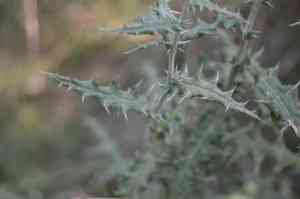
The optimal period for relocating southern globethistle is in its early to mid-spring phase of vigorous development, guaranteeing strong establishment. Choose a location bathed in sunlight with soil that drains effectively. Should it be necessary, augment the area with organic matter to foster successful adaptation.
What Preparations are Needed Before Transplanting Southern Globethistle?
What is the Ideal Time for Transplanting Southern Globethistle?
The best time to move southern globethistle is during early to mid-spring, as the plant begins to awaken. This allows it to establish itself before the intense summer heat. Relocating southern globethistle in spring takes advantage of the naturally mild temperatures, which aid root development, ensuring vigorous growth in the upcoming season. Helpful tip: this timing benefits from cool yet warming soil, ideal for southern globethistle to flourish in its new spot!
How Much Space Should You Leave Between Southern Globethistle Plants?
When moving southern globethistle, ensure each plant is spaced approximately 2-3 feet (60-90 cm) apart. This provides ample room for healthy development without competing for resources like nutrients and sunlight.
What is the Best Soil Mix for Southern Globethistle Transplanting?
Prepare a well-draining loamy or sandy soil for southern globethistle, enriched with a slow-release organic fertilizer. This type of fertilizer gradually supplies nutrients to your plants, ensuring they receive what they need over an extended period.
Where Should You Relocate Your Southern Globethistle?
Southern globethistle thrives in full sun. Therefore, select a location where your plants will receive at least 6 hours of direct sunlight daily. They will reward you with a beautiful floral display!
What Equipments Should You Prepare Before Transplantation Southern Globethistle?
Gardening Gloves
Essential for safeguarding your hands from sharp plant parts, pests, and soil.
Trowel
Useful for digging, especially when moving from a container or seedling tray.
Spade
This is crucial when handling larger plants or if you're relocating directly from the ground.
Watering Can
You will need this to moisten the soil both before and after transplanting.
Garden Fork
Used for loosening the soil around the plant prior to transplantation.
Gardening Knife
This is for carefully dividing the root ball if it's pot-bound.
Wagon or Wheelbarrow
For transporting the southern globethistle plant, particularly if it's large.
Mulch
To safeguard the newly transplanted southern globethistle plant and help maintain soil moisture.
How Do You Remove Southern Globethistle from the Soil?
How Do You Remove Southern Globethistle from the Soil?
From Pot: First, thoroughly water the southern globethistle plant in its pot to moisten the soil. This helps minimize root shock during transplantation. Now, place your hands on the soil surface and invert the pot. Gently tap the bottom until the plant slides out, keeping the root ball intact. If the plant is stuck, use a gardening knife to carefully loosen the edges.From Ground: Begin by watering the southern globethistle plant to dampen the soil. Using a spade, dig a wide trench around the plant, ensuring the root ball remains undisturbed. Gradually work the spade beneath the root ball to lift the plant.From Seedling Tray: Water the southern globethistle seedlings first to facilitate their removal. Gently press the bottom of the tray to lift each seedling. Exercise extreme caution to avoid damaging the delicate roots during this process.
Step-by-Step Guide for Transplanting Southern Globethistle
Plant Preparation
Once the southern globethistle is extracted from its original spot, spray the root ball with water to keep it hydrated, and cover it with a damp cloth before moving to the new planting site.
Hole Preparation
Dig a hole in the chosen location that is roughly twice as wide and equally deep as the plant's root ball. Ensure the bottom is loosened with a trowel or garden fork to encourage optimal root development.
Placement
Position the southern globethistle plant in the center of the hole. The top of the root ball should be level with the surrounding soil to ensure proper growth.
Backfilling
Refill half of the hole with soil, water it sufficiently, and then fill the remainder of the hole. This helps to eliminate air pockets.
Mulching
Cover the replanted area with a layer of mulch to retain moisture and suppress weeds. However, prevent it from touching the stem to avoid rot.
How Do You Care For Southern Globethistle After Transplanting?
Watering
Ensure the transplanted southern globethistle plant receives consistent watering during the initial weeks, especially if the weather is dry, but be careful not to overwater.
Pest Control
Monitor for common pests such as aphids and thrips. If detected, apply appropriate plant-friendly pesticides as instructed.
Pruning
Remove any wilting leaves or flowers to redirect more energy towards root establishment.
Observation
Regularly inspect your southern globethistle plant. If it appears stressed, take suitable actions such as adjusting the watering schedule or consulting experts.
Troubleshooting Common Issues with Southern Globethistle Transplantation.
When is the ideal time to transplant southern globethistle?
The perfect period to transplant southern globethistle is between S1-S2. The plant can effectively establish roots in these seasons comfortably and grow best.
What is the precise spacing to consider when transplanting southern globethistle?
A gap of around 2-3 feet (60-90 cm) between the southern globethistle plants is recommended. This allows adequate room for growth and prevents overcrowding.
What soil type does southern globethistle need for successful transplantation?
Southern globethistle flourishes best in well-draining soil. Loamy soil rich in organic matter can provide optimal conditions for its growth after transplanting.
How deep should the transplant hole be for southern globethistle?
Dig a hole deep and wide enough to accommodate the root ball of southern globethistle. Roughly 2 times the size of the root ball should suffice.
Should I water southern globethistle immediately after transplanting?
Yes, southern globethistle should be thoroughly watered after transplanting to reduce transplant shock and help it establish in the new location. But avoid waterlogging to prevent root rot.
Is it necessary to add compost or fertilizer during the transplanting of southern globethistle?
While southern globethistle isn't a heavy feeder, adding some compost or slow-release fertilizer at planting time can enhance soil nutrients and promote healthy growth.
Why are the leaves of my transplanted southern globethistle turning yellow?
Yellow leaves post-transplant could indicate overwatering, underwatering, or a lack of certain nutrients. Adjust your watering schedule and consider a balanced fertilizer if necessary.
Why isn't my transplanted southern globethistle flowering?
Southern globethistle may not flower due to insufficient sunlight, lack of nutrients, or it being too young. Ensure it gets full sunlight, and fertilize if needed.
How can I increase the survival rate of southern globethistle during transplanting?
Avoid transplant shock by keeping southern globethistle's roots moist during the process, transplant during cooler parts of the day, and water adequately after planting.
What to do if the transplanted southern globethistle appears wilted or drooping?
Wilted southern globethistle post-transplant could be due to transplant shock. Keep it well-watered but not soggy, and consider a shade cloth to protect it from midday sun.



