How to Transplant Viper's bugloss?
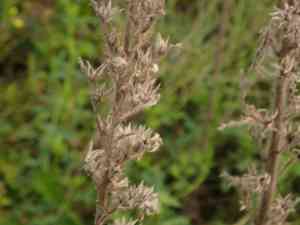
The ideal period for relocating viper's bugloss is throughout the bright days of early to mid-summer. Select a site with good drainage and abundant sunshine to encourage robust development. Bear in mind that a delicate approach is crucial when managing viper's bugloss roots during the transfer process.
What Preparations are Needed Before Transplanting Viper's Bugloss?
What is the Ideal Time for Transplanting Viper's Bugloss?
The best period to move viper's bugloss is during the mild warmth of early to mid-summer. This timing allows the plant to establish its roots in its new spot. During this phase, viper's bugloss receives ample sunlight and warmth for rapid development, while avoiding the intensity of peak summer. Utilizing this prime window ensures your viper's bugloss will settle in faster and grow stronger, ready to display its vibrant blooms. Remember, proper transplanting timing leads to a happier, healthier viper's bugloss. Let's give it the best start.
How Much Space Should You Leave Between Viper's Bugloss Plants?
For viper's bugloss, it's crucial to provide adequate room for each plant to develop and flourish. Aim for a spacing of approximately 12-18 inches (30-45 cm) between them. This will facilitate proper air circulation and prevent overcrowding as they mature.
What is the Best Soil Mix for Viper's Bugloss Transplanting?
To transplant viper's bugloss, prepare a soil that drains well, with a sandy or loamy consistency. Prior to planting, incorporate a balanced base fertilizer, such as a 10-10-10, to enhance fertility and supply vital nutrients for improved growth.
Where Should You Relocate Your Viper's Bugloss?
For robust growth, viper's bugloss thrives in sunny locations! Endeavor to select a site that receives full sun or partial shade, where your plant will get at least 6 hours of direct sunlight daily. This will ensure vigorous and vibrant development.
What Equipments Should You Prepare Before Transplantation Viper's Bugloss?
Gardening Gloves
To safeguard your hands while handling soil and plants.
Trowel
A small hand tool utilized for digging holes and loosening soil for relocation.
Shovel or Spade
For excavating larger holes and working the earth around the plant.
Garden Fork
To assist in loosening and aerating the soil in the designated planting area.
Watering Can or Hose
To supply moisture before and after the transplanting process.
Fertilizer (if necessary)
To provide essential nutrients to the plant for optimal development.
How Do You Remove Viper's Bugloss from the Soil?
How Do You Remove Viper's Bugloss from the Soil?
From Ground: First, hydrate the viper's bugloss plant to moisten the soil. Next, excavate a wide trench around the plant using a shovel or spade, ensuring the plant's root ball remains intact. Carefully maneuver the spade beneath the root ball to lift the plant from its original spot.From Pot: Water the viper's bugloss plant to dampen the soil. Invert the pot while supporting the plant by its base, and gently slide the plant out, keeping the root ball and soil undisturbed.From Seedling Tray: Once the viper's bugloss seedlings have reached 4-6 inches in height, prepare the transplanting site. With a wet seedling tray, gently push the bottom of the seedling cell to elevate the seedling. Carefully lift the seedling by its leaves, not the stem, to prevent damage.
Step-by-Step Guide for Transplanting Viper's Bugloss
Planting Hole
Excavate a hole in the prepared location that is slightly larger than the plant's root ball.
Prepare the Plant
If required, gently separate any tangled roots before planting.
Plant Placement
Position the viper's bugloss plant in the hole, ensuring it sits at the same depth as its previous location. Orient the plant so it grows upright and is not leaning.
Backfill
Refill the hole around the plant with soil, gently firming it down to eliminate air pockets without excessive compaction.
Watering
Gently water the viper's bugloss plant to settle the soil around its roots. Irrigate according to the plant's specific needs, avoiding over- or under-watering.
Mulching (optional)
Apply a layer of organic mulch around the plant to help retain moisture, suppress weeds, and regulate soil temperature.
How Do You Care For Viper's Bugloss After Transplanting?
Water Management
Monitor the soil moisture and water the viper's bugloss plant as necessary to keep it consistently damp, especially during the initial weeks post-transplant to aid in developing strong roots.
Fertilizing
Apply a balanced fertilizer, if needed, according to the plant's specific requirements. Adhere to package instructions for correct application rates and timing.
Pruning and Maintenance
Regularly inspect the viper's bugloss plant for dead or damaged foliage and prune as required to maintain a healthy and neat appearance. Watch for pests and diseases, and address any issues promptly. Provide support for taller plants with stakes, if necessary.
Troubleshooting Common Issues with Viper's Bugloss Transplantation.
When is the best time to transplant viper's bugloss?
The optimal period to transplant viper's bugloss is from early to mid-summer. These warm seasons promote ideal growth.
How far apart should I place viper's bugloss?
Viper's bugloss requires ample room to grow. Ensure a spacing of approximately 12-18 inches (30-45 cm) between each plant.
Why are my transplanted viper's bugloss dying?
Transplant shock might be the cause. Try to minimize root disturbance and always water immediately after relocating.
Should I prune viper's bugloss before transplanting?
Not necessarily, but it can help reduce water loss. However, be careful not to prune too drastically as this might shock the plant.
How deeply do I plant viper's bugloss when transplanting?
Aim to plant viper's bugloss at the same depth it was in its original spot. The top of the root ball should be level with the soil surface.
What kind of soil is suitable for transplanting viper's bugloss?
Viper's bugloss prefers well-drained soil, ideally chalky soil. However, it's quite adaptable and should thrive in most soil types.
What is the biggest mistake to avoid when transplanting viper's bugloss?
Avoid over-watering viper's bugloss after transplanting. This could lead to root rot. The soil should be moist but never waterlogged.
How can I make sure the roots of viper's bugloss will not be damaged while transplanting?
Handle with care, ensuring you do not harm the root ball. You can use a shovel or trowel to gently lift the plant, avoiding unnecessary force.
Do I need to fertilize viper's bugloss right after transplanting?
Not immediately. Allow the plant some time to acclimate to its new location, then you can consider a slow-release, balanced fertilizer to encourage growth.
Can I transplant viper's bugloss in a pot?
Yes, viper's bugloss can be moved into a pot. Pay attention to the pot size; it should offer sufficient space to comfortably accommodate the root system.



