How to Transplant Goosegrass?
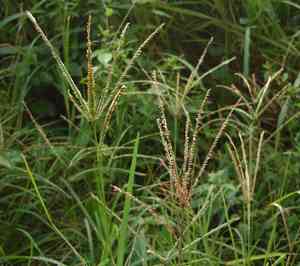
The ideal period for moving goosegrass is during the increasing warmth of early to mid-spring. Choose a bright spot with soil that drains effectively to foster vigorous development. Although transplanting is not typical for goosegrass, gentle handling when required can lead to successful rooting.
What Preparations are Needed Before Transplanting Goosegrass?
What is the Ideal Time for Transplanting Goosegrass?
The optimal period for moving goosegrass is at the start of warmer weather, typically when early to mid-spring arrives. This timeframe offers a perfect mix of mild conditions and increasing daylight, ensuring goosegrass roots establish more effectively before the intensity of summer heat. Transplanting goosegrass during this season allows it to benefit from spring rains, promoting root development and reducing the need for extra watering. Choose this timing for a more robust goosegrass, guaranteeing it flourishes with vitality and enhances your garden's biodiversity.
How Much Space Should You Leave Between Goosegrass Plants?
To provide each goosegrass ample room for development, aim to space your plants approximately 1-2 feet (30-60 cm) apart. This distance will guarantee each plant receives adequate nutrients and moisture!
What is the Best Soil Mix for Goosegrass Transplanting?
Prior to planting goosegrass, thoroughly prepare your soil. An ideal choice is a well-draining soil blend, enriched with a foundational fertilizer. Compost or aged manure can supply the essential nutrients goosegrass requires to thrive!
Where Should You Relocate Your Goosegrass?
Regarding placement, goosegrass thrives in sunlight. A location where it can receive full or partial sun throughout the day would be perfect. Don't worry, it's accustomed to flourishing under sunny skies!
What Equipments Should You Prepare Before Transplantation Goosegrass?
Gardening Gloves
To protect your hands from sharp elements and dirt when handling the rough, spiky texture of the goosegrass plant.
Shovel or Spade
A tool necessary to dig a sufficiently large hole in the ground for the goosegrass plant's roots and to extract it from its original spot.
Hand Trowel
This functions similarly to a shovel but is sized for more delicate tasks, such as transferring the plant from a small pot or seedling tray.
Watering Can
This will help maintain the goosegrass plant's health by supplying it with the necessary water during the transplanting process.
Mulch
It is utilized to safeguard the transplanted goosegrass plant by retaining moisture and inhibiting weed growth.
How Do You Remove Goosegrass from the Soil?
How Do You Remove Goosegrass from the Soil?
From Ground: Start by watering the goosegrass plant to moisten the soil. This facilitates easier digging and protects the roots from harm. Next, use your shovel to dig a wide trench around the plant, being careful to keep the plant's root ball intact. Gradually work your spade or hand trowel beneath the root ball to lift the plant from its initial position.From Pot: If the goosegrass plant is in a pot, water it first. Then, gently turn the pot sideways, grasp the plant at its base, and carefully ease it out. Be cautious not to strain the stem or roots.From Seedling Tray: Water the seedling tray, then, using a hand trowel, scoop out the goosegrass plant, ensuring you retrieve all its roots. Be very gentle to avoid damaging the delicate seedling roots.
Step-by-Step Guide for Transplanting Goosegrass
Digging
Excavate a hole in your chosen spot that is twice the width and the same depth as the root ball of your goosegrass plant. This provides ample space for the roots to spread and grow.
Placing
Position your goosegrass plant in the hole, making sure the top of the root ball is level with the surrounding soil surface.
Backfilling
Once situated, refill the hole with loose soil, gently compacting it to ensure there are no air pockets that could dry out the roots.
Watering
Thoroughly water the goosegrass plant immediately after transplanting and keep the soil moist but not waterlogged.
Mulching
Encircle the plant with mulch to help retain moisture and prevent weed growth.
How Do You Care For Goosegrass After Transplanting?
Watering
Provide consistent moisture to the goosegrass plant after transplanting for the initial couple of weeks. Be careful not to overwater, as the goosegrass plant prefers moist but not soggy conditions.
Protection
Shield your goosegrass plant from harsh weather until it's established; for the first few weeks, it's crucial that it's not exposed to intense sunlight or excessive wind.
Inspection
Regularly examine your transplanted goosegrass plant. Yellowing or wilting leaves could signal stress on the plant or a potential disease.
Pruning
Goosegrass plant grows rapidly but can become overgrown. To maintain its health and appearance, pruning is essential. Trim back older stems to encourage new growth and manage its size.
Troubleshooting Common Issues with Goosegrass Transplantation.
When is the best time to transplant goosegrass?
The optimal season to transplant goosegrass is during S1-S2. It supports ideal growth and plant development.
What is the recommended spacing when transplanting goosegrass?
The ideal spacing for goosegrass is 1-2 feet (30-60 cm). This provides sufficient room for each plant to reach its full potential.
Why are my goosegrass seedlings wilting after transplanting?
Wilting post-transplantation can occur due to shock or excessive watering. Allow goosegrass time to adapt to its new environment and water moderately.
What could be the reason for yellowing leaves of my transplanted goosegrass?
Yellowing leaves might indicate overwatering or insufficient light. Ensure goosegrass receives adequate sunlight and adjust the watering schedule as needed.
How deeply should I plant goosegrass when transplanting?
It's important to plant goosegrass at the same depth it was growing in its original container. This ensures the plant isn't harmed and can continue to grow healthily.
Can I transplant goosegrass in a pot?
Yes, you can transplant goosegrass into a pot. Just ensure it has enough space to grow and a drainage hole to prevent waterlogging.
Why is my transplanted goosegrass not growing?
Goosegrass might not be growing due to inadequate nutrients, under or overwatering, or lack of sunlight. Evaluate these conditions and make adjustments accordingly.
What should I do if the roots of my goosegrass are rotting?
Root rot can be a symptom of overwatering. Ensure your goosegrass isn't waterlogged and the soil drains well. If severe, consider repotting the plant.
Can I transplant goosegrass at any time during the S1-S2 season?
Goosegrass can be transplanted anytime during S1-S2, but it's best to do so in the morning or evening to avoid heat stress.
How should I water goosegrass after transplanting?
After transplanting, water goosegrass thoroughly but avoid soggy conditions. Afterward, maintain a regular watering schedule based on the plant's requirements.



