How to Transplant Eastern bottle-brush grass?
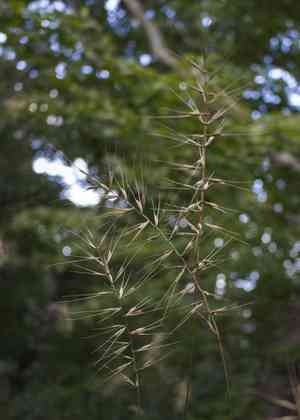
The most favorable period for relocating eastern bottle-brush grass is from the latter part of spring through the initial weeks of summer, capitalizing on temperate weather for root development. Select a location that drains effectively and offers partial shade, providing ample room for expansion while preserving soil hydration. Careful manipulation enhances the likelihood of successful transplantation.
What Preparations are Needed Before Transplanting Eastern Bottle-brush Grass?
What is the Ideal Time for Transplanting Eastern Bottle-brush Grass?
The optimal period for relocating eastern bottle-brush grass is during the gentle warmth of mid to late spring or the inviting start of early summer. These seasons provide a combination of moderate temperatures and increasing daylight, offering eastern bottle-brush grass the perfect balance of warmth and light for root establishment prior to summer's peak. In this mild climate, eastern bottle-brush grass's roots can flourish without the stress of intense heat, ensuring a strong foundation for growth. Additionally, it allows eastern bottle-brush grass ample time to adapt and strengthen before the potential arrival of winter cold. Moving eastern bottle-brush grass within this favorable window promotes not only vigorous development but also guarantees a lush, healthy presence in your garden.
How Much Space Should You Leave Between Eastern Bottle-brush Grass Plants?
For eastern bottle-brush grass, aim for a spacing of approximately 2-3 feet (60-90 cm) between each plant when transplanting. This will provide sufficient room for proper growth without competition for resources.
What is the Best Soil Mix for Eastern Bottle-brush Grass Transplanting?
Eastern bottle-brush grass thrives in soil that drains well. Before planting, prepare the ground with a base of rich, loamy soil and a high-quality, slow-release fertilizer. This will support robust root development.
Where Should You Relocate Your Eastern Bottle-brush Grass?
Eastern bottle-brush grass is a plant that loves the sun! Select a sunny location in your garden for planting. If full sun isn't feasible, try to ensure they receive at least half a day of sunlight. Happy planting!
What Equipments Should You Prepare Before Transplantation Eastern Bottle-brush Grass?
Gardening Gloves
To shield your hands from dirt and potential cuts from plant roots.
Shovel
A garden shovel is essential for excavating your eastern bottle-brush grass plant and preparing a new hole for transplanting.
Bucket or Bag
To safely and securely hold your eastern bottle-brush grass plant during its move to the new spot.
Garden Scissors or Shears
For trimming damaged roots or excess foliage during the transplanting process.
Mulch
This will help maintain moisture in the new plant and prevent weed growth around it.
Watering Can or Hose
To hydrate the plant both before the relocation and after it's transplanted.
How Do You Remove Eastern Bottle-brush Grass from the Soil?
How Do You Remove Eastern Bottle-brush Grass from the Soil?
From Ground: Begin by watering your eastern bottle-brush grass plant to moisten the soil, making it easier to extract the plant without causing excessive stress to the root system. Next, using a shovel, start digging a trench around the plant, far enough away to avoid damaging the root ball. Slowly work the shovel beneath the root ball, taking care to keep it intact. Once the plant moves freely, carefully lift it from the ground and immediately place it into a bucket or bag to prevent the roots from drying out.From Pot: Again, water the eastern bottle-brush grass plant to prepare it for relocation. Tilt the pot sideways, supporting the plant's stem and soil with your hand while gently pulling the pot off. If the plant seems stuck, you can roll the pot slightly to loosen the soil, but be careful not to harm the plant. Once removed, immediately place the plant in a bucket or bag to protect the roots.From Seedling Tray: First, water the seedlings so they are damp but not saturated. With great care to avoid damaging the small roots or stem, gently ease the eastern bottle-brush grass seedling out of the tray, holding it by a leaf, not the stem, and place it into a small bag or container of water to keep the roots moist until you can transplant them.
Step-by-Step Guide for Transplanting Eastern Bottle-brush Grass
Preparation
Before removing your eastern bottle-brush grass plant from its original spot, prepare the new hole where it will be transplanted. Ensure it is wide and deep enough to accommodate the plant's entire root ball. Once the hole is ready, create a small mound of soil in its center.
Placement
Carefully position your eastern bottle-brush grass plant in the new hole, gently spreading the roots around the mound. The plant should be at the same depth as it was originally – planting it too deep can lead to root rot, while planting it too shallow might expose them to the air.
Backfilling
Carefully refill the hole with the previously excavated soil, trying not to harm the plant’s roots. Lightly compact the soil around the plant’s base to secure it in its new location.
Watering
Thoroughly water your eastern bottle-brush grass plant immediately after transplanting; this will help the plant recover from the shock of being moved and encourage root growth.
Mulching
Apply a layer of mulch around your plant; this will help retain soil moisture and protect against temperature extremes.
How Do You Care For Eastern Bottle-brush Grass After Transplanting?
Observation
For the next few weeks, closely observe your eastern bottle-brush grass plant. Pay attention to its growth – its leaves should be firm and green, not wilted or yellowed.
Watering
Consistent watering is vital after transplantation. Water deeply and frequently, but avoid over-saturating the soil. If the top layer of soil feels dry to the touch, it's usually a good time to water.
Pruning
If you notice any dead, damaged, or diseased branches or leaves, remove them promptly. This not only helps keep the plant healthy but also conserves energy for the plant to establish itself in the new location.
Protection
Depending on your eastern bottle-brush grass plant's specific requirements and the season, consider providing some shade to shield it from harsh afternoon sunlight for the first few days after transplanting. Over a week or two, gradually expose your eastern bottle-brush grass to its normal light conditions to prevent shock.
Troubleshooting Common Issues with Eastern Bottle-brush Grass Transplantation.
When is the best time to transplant eastern bottle-brush grass?
The ideal period to transplant eastern bottle-brush grass is from late spring to early fall. This timing allows the plant ample opportunity to develop strong root systems before winter.
How much space should be maintained between each eastern bottle-brush grass?
You should ideally maintain a space of about 2-3 feet (0.6-0.9 meters) between each eastern bottle-brush grass. This provides sufficient room for the plants to grow without competing for resources.
What should I do if the eastern bottle-brush grass doesn't seem to be rooting well after transplanting?
Ensure the plant receives adequate water and has sufficient soil nutrients. Trim any dead parts to redirect energy to the roots. Giving the plant time and proper care will aid in root establishment.
How deep should I plant eastern bottle-brush grass during transplantation?
The hole should be twice as wide and deep as the plant's root ball. However, the top of the root ball should be level with or slightly above the surrounding ground to prevent waterlogging.
What type of sould does eastern bottle-brush grass prefer for transplanting?
Eastern bottle-brush grass generally prefers well-drained soil. It adapts well to various soil types, but it's crucial to ensure that the area does not become waterlogged.
Why is my transplanted eastern bottle-brush grass looking limp and wilted?
This could be transplant shock. Ensure it is well-watered, but not overwatered. Protect it from extreme weather conditions and allow it time to adjust to its new location.
How to prepare the garden bed for transplanting eastern bottle-brush grass?
Start by clearing out any debris and weeds. Then turn the soil over to a depth of approximately 12 inches (30 cm). If necessary, add compost or organic matter to enrich the soil.
Why are the leaves of my transplanted eastern bottle-brush grass turning yellow?
This could indicate water stress or nutrient deficiency. Check the soil moisture levels and add fertilizer if needed. Be careful not to overwater as eastern bottle-brush grass prefers well-drained soil.
Can I prune eastern bottle-brush grass after transplanting?
Yes, pruning helps focus the plant's energy towards root development. Remove damaged or excessively large branches and leaves, but maintain the overall structure.
What care should I provide eastern bottle-brush grass after transplanting?
Water it thoroughly immediately after transplanting and keep the soil moderately moist. Protect the plant from harsh weather. Monitor the plant's health regularly and take steps to address any signs of disease or pest infestation.



