How to Transplant California fuchsia?
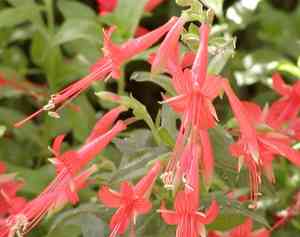
The optimal period for relocating California fuchsia is from mid-spring to late spring, when climatic conditions are more favorable. Select a site featuring soil that drains effectively and receives full sunlight to partial shade. Should it be necessary, offer additional attention to newly transplanted young plants as they become established.
Essential Preparations Before Relocating California Fuchsia
Optimal Period for Relocating California Fuchsia?
For a thriving california fuchsia, consider moving it from mid-spring to late spring. This timeframe provides california fuchsia with prime growing conditions and encourages a robust root system. This timely relocation ensures a lavish floral display, making california fuchsia a true garden highlight. So, let's get those green thumbs ready and watch california fuchsia flourish during these perfect moments!
Recommended Spacing Between California Fuchsia Plants?
To allow your california fuchsia ample room to develop, position them approximately 12-24 inches (30-60 cm) apart. This spacing will provide sufficient area for their roots to expand and for them to flourish.
Ideal Soil Mixture for California Fuchsia Relocation?
Prepare the soil for california fuchsia using a well-draining, loamy or sandy mixture, enriched with a slow-release, balanced (10-10-10) base fertilizer. This will supply the necessary nutrients for healthy development.
Preferred Location for Your California Fuchsia?
Select a site for your california fuchsia that receives full sun to partial shade. They thrive in sunlight and will reward you with abundant blooms in a bright and cheerful spot!
Tools Required Before Relocating California Fuchsia?
Shovel or Spade
For excavating holes in the planting area and for extracting california fuchsia from its current position.
Gardening Gloves
To safeguard your hands while handling soil and plants.
Trowel
A small hand implement useful for creating precise openings in the ground for young plants or small potted specimens.
Organic compost
To enrich the soil where the plant will be moved.
Watering Can
To moisten the soil before and after relocating the california fuchsia.
Garden Fork
Beneficial for breaking up compacted soil and incorporating the compost.
How to Extract California Fuchsia from the Soil?
How to Extract California Fuchsia from the Soil?
From Ground: Start by hydrating the california fuchsia plant to prepare the surrounding soil. Once moist, use the spade to dig a wide trench around the plant, being careful not to harm the plantâs root ball. Gently work your way beneath the root ball and carefully lift the plant from its original spot.From Pot: First, moisten the soil to facilitate plant removal. Invert the pot while gently tapping its rim on a firm surface. Be careful not to injure the plant during this process. The california fuchsia should slide out with relative ease.From Seedling Tray: Dampen the soil beforehand to ease removal. Use a trowel to scoop out individual california fuchsia plants, ensuring the roots are included.
Step-by-Step Guide for Relocating California Fuchsia
Preparation
Remove any weeds or debris from the new relocation site. Then enrich the area with organic compost using a garden fork.
Digging
Use the spade to excavate a hole that is twice as wide and as deep as the root ball of your california fuchsia plant.
Placement
Carefully position the california fuchsia in the hole, ensuring the top of the root ball is level with the ground surface.
Backfilling
Fill half the hole with the compost-soil mixture, then water thoroughly. Once the water has drained, fill in the remainder of the hole.
Watering
Once fully planted, provide the california fuchsia with a good watering, ensuring the moisture penetrates deeply into the soil.
Post-Relocation Care for California Fuchsia
Monitoring
Observe the california fuchsia plant after relocation, looking for signs of water stress or sun damage. The initial days are crucial for the survival of the moved plant.
Watering
Maintain moist, but not waterlogged, soil for the first few weeks after relocation until the california fuchsia becomes established.
Pruning
If the plant exhibits signs of distress, consider trimming back some of its foliage to reduce stress on the organism.
Protection
Depending on local wildlife, you might need to install a protective barrier to prevent animals from disturbing your newly relocated california fuchsia.
Addressing Common Issues with California Fuchsia Relocation.
When is the best time to relocate california fuchsia?
California fuchsia should ideally be moved during the mid to late spring season.
What is the recommended spacing between each california fuchsia during relocation?
The suggested distance between each california fuchsia during relocation is approximately 12-24 inches (30.48-60.96 cm).
What happens if I disregard proper spacing for california fuchsia?
Without adequate spacing, california fuchsia may compete for nutrients and water, which could negatively impact their growth.
Which soil type is most suitable for relocating california fuchsia?
California fuchsia thrives best in well-drained soil; heavy clay or soggy conditions might lead to root rot.
Why are my relocated california fuchsia wilting?
Wilting could be due to transplant shock. Ensure you water california fuchsia thoroughly after relocation to minimize this.
What should I do if I observe yellow leaves on my relocated california fuchsia?
Yellow leaves could indicate overwatering or poor drainage. Review your watering schedule and the soil condition.
Is any special care required when relocating california fuchsia?
Yes, it's important to handle california fuchsia carefully to avoid damaging the roots during the relocation process.
How deep should I plant california fuchsia?
When relocating california fuchsia, ensure the roots are covered but the stem is not buried. Planting too deeply may impede growth.
How much sunlight does california fuchsia require after relocation?
California fuchsia needs ample sunshine, ideally 6-8 hours per day, for optimal growth after relocation.
Does california fuchsia need any fertilizers or amendments during relocation?
California fuchsia doesn't require many fertilizers, but you can add a small amount of compost to the planting hole for better establishment.



