How to Transplant Flame violet?
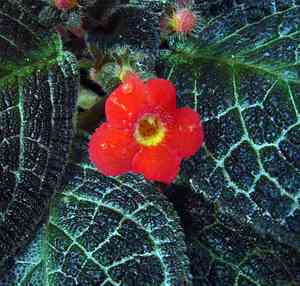
Relocate flame violet during the ideal period spanning from late spring to late summer, or alternatively, from late autumn to mid-winter, to encourage peak development. Select a brightly illuminated spot featuring adequate drainage, and provide guidance on transplanting solely when essential. Savor your flourishing flame violet!
Essential Preparations Before Relocating Flame Violet
Optimal Period for Relocating Flame Violet?
Moving flame violet between late spring and late summer, or from late autumn through mid-winter, promotes robust development. These intervals guarantee the plant receives sufficient seasonal warmth for deep, firm rooting. Proper timing of the transplant maximizes flame violet's enduring appeal!
Recommended Spacing Between Flame Violet Plants?
When relocating flame violet, appropriate spacing is vital for encouraging growth. Ideally, these charming plants should be positioned 12-18 inches (30-45 cm) apart, allowing ample room for expansion and flourishing.
Ideal Soil Mixture for Flame Violet Relocation?
For flame violet, a soil that drains effectively is critical for success. Utilize a blend of premium potting soil and perlite, or opt for a pre-mixed product formulated for African violets. Prior to planting, scatter some slow-release fertilizer (14-14-14) over the soil to provide a beneficial nutrient foundation.
Where to Position Your Flame Violet?
It's crucial to locate the perfect spot for your flame violet where it will receive bright, indirect sunlight. A north or east-facing window ledge, or an area with filtered outdoor shade, works perfectly, ensuring adequate light levels without scorching its delicate foliage.
Equipment Needed Before Transplanting Flame Violet
Gardening Gloves
To safeguard your hands when handling soil and plants.
Trowel
For excavating small holes and extracting the plant from its container or seedling tray.
Shovel or Spade
For digging larger holes in the ground and lifting the plant from its current spot.
Garden Fork
Helpful for loosening soil and breaking up compacted areas.
Bucket or Wheelbarrow
For moving the plant and extra soil, if required.
Watering Can or Hose
To hydrate the plant before and after relocation.
How to Extract Flame Violet from the Soil?
How to Extract Flame Violet from the Soil?
From Ground: First, water the flame violet plant to moisten the soil. Next, dig a wide trench around the plant using a shovel or spade, ensuring the plant's root ball remains intact. Carefully work the spade beneath the root ball to lift the plant from its original position.From Pot: Hydrate the plant to make the roots more flexible. Grasp the base of the flame violet plant and invert the pot while tapping the bottom and sides to dislodge the root ball from the container.From Seedling Tray: Employ a small trowel or garden fork to gently lift the seedling from the tray, striving to keep as much of the root structure undamaged as possible.
Step-by-Step Guide for Relocating Flame Violet
Preparation
Select an optimal site based on appropriate spacing and light exposure considerations. Prepare the soil by loosening it and removing any weeds.
Dig Hole
Excavate a hole slightly larger and deeper than the root ball of your flame violet plant, using a shovel or trowel, depending on its size.
Insert Plant
Carefully place the root ball of the flame violet plant into the hole, ensuring it is positioned straight and upright.
Fill Hole
Backfill the hole with the excavated soil, making sure to press down firmly with your hands to eliminate air pockets and provide stability for the plant.
Water
Thoroughly water the flame violet plant, allowing the water to penetrate the soil and settle the plant.
Add Soil (if necessary)
If the soil level has decreased after watering, add more soil to stabilize the plant.
Post-Transplant Care for Flame Violet
Watering
Consistently water the flame violet plant to maintain uniformly moist but not waterlogged soil. This is especially crucial in the initial weeks following relocation, to aid in establishing robust roots.
Pruning
Remove any damaged or dead leaves and stems, which will promote healthier growth.
Temperature
Monitor the temperature, as flame violet plants prefer a warm, humid environment. Adjust the location or provide suitable protection if needed.
Monitoring
Regularly inspect the plant for any indications of disease or pest infestation, and take appropriate measures.
Fertilizing
Apply a balanced liquid fertilizer approximately one month after transplanting to support vigorous growth.
Resolving Common Issues with Flame Violet Relocation.
When is the best time to relocate flame violet?
The ideal time to move flame violet is from late spring to late summer, or from late fall to mid-winter, to allow ample time for root establishment.
How much space is needed when relocating flame violet?
Ensure sufficient room for flame violet to thrive. A distance of about 12-18 inches (30-46 cm) between plants is considered optimal.
What should I do if flame violet shows signs of wilting after relocation?
If flame violet wilts after transplanting, it's likely under stress. Ensure it receives adequate water and is protected from extreme weather conditions while it adapts.
Why are the leaves of my newly relocated flame violet turning yellow?
Yellowing leaves may indicate a nutrient deficiency or excessive watering. Check moisture levels and consider a balanced plant fertilizer to nourish flame violet.
What kind of soil is best for relocating flame violet?
Flame violet prefers rich, well-drained soil. Amend the planting area with organic compost to enhance its nutrients and texture for improved growth.
How deep should I plant flame violet during relocation?
Plant flame violet at the same depth it was growing in its previous pot. This helps prevent root exposure and reduces transplant shock.
How to water flame violet after relocating?
Water flame violet thoroughly immediately after transplanting. Afterward, ensure the soil remains consistently moist but avoid overwatering to prevent root rot.
Should I prune flame violet before relocating?
While not essential to prune flame violet before transplanting, removing any dead or unhealthy parts can allow the plant to focus energy on new growth.
Why aren't my relocated flame violet plants growing?
Slow growth after transplanting is normal as flame violet adjusts to the new environment. Give it time, ensure proper care, and it'll recover!
Is it acceptable to relocate flame violet while it's blooming?
Relocating flame violet in bloom is permissible, but it might add extra stress to the plant. If possible, transplant before or after the flowering season.



