How to Transplant Dwarf horsetail?
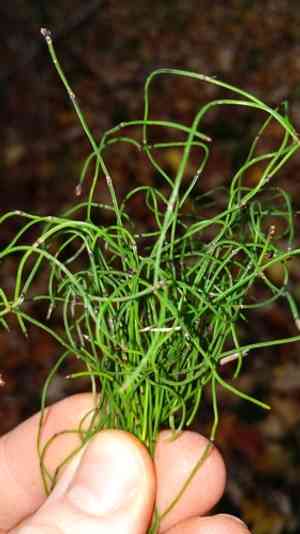
The most favorable period for relocating dwarf horsetail extends from the departure of frost until the latter part of spring, and then recommences in the mild conditions of early fall. Position dwarf horsetail in a damp, shaded spot to ensure a smooth acclimation. Providing careful support assists in root development.
What Preparations are Needed Before Transplanting Dwarf Horsetail?
What is the Ideal Time for Transplanting Dwarf Horsetail?
The optimal period to relocate dwarf horsetail is during seasons conducive to growth or dormancy. Transplant in the gentle warmth of post-frost spring or the cool air of early autumn. This timing aligns dwarf horsetail's requirements with natural cycles, promoting strong development and reducing stress. Moving the plant during these seasons provides natural support, enhancing root establishment and recovery for a thriving start or a peaceful winter rest.
How Much Space Should You Leave Between Dwarf Horsetail Plants?
When preparing to rehome dwarf horsetail, remember they appreciate ample room. Aim for a spacing of approximately 6-12 inches (15-30 cm). This ensures each plant has sufficient area to develop robustly without overcrowding.
What is the Best Soil Mix for Dwarf Horsetail Transplanting?
For thriving dwarf horsetail, prepare a loamy soil mixture rich in organic matter, which they favor. Prior to planting, enrich the soil with a balanced, slow-release fertilizer to give them an excellent start in their new location!
Where Should You Relocate Your Dwarf Horsetail?
These lovely dwarf horsetail enjoy some sun but also appreciate shade. Find them a spot with partial sunlight, protected from the most intense midday rays, to ensure their prosperity.
What Equipments Should You Prepare Before Transplantation Dwarf Horsetail?
Gardening Gloves
To shield your hands while handling soil and plants.
Shovel or Spade
For excavating the plant and preparing the new planting site.
Watering Can or Hose
To hydrate the dwarf horsetail before and after its relocation.
Pruning Shears
For trimming any dead or damaged leaves or roots.
Wheelbarrow or Garden Cart
To move the dwarf horsetail from one spot to another if necessary.
Mulch
To help maintain moisture around the plant following transplantation.
How Do You Remove Dwarf Horsetail from the Soil?
How Do You Remove Dwarf Horsetail from the Soil?
From Ground: First, moisten the dwarf horsetail plant by watering the soil. Next, dig a wide trench around the plant using a shovel or spade, ensuring the root ball remains intact. Carefully work the spade beneath the root ball to lift the plant from its original position.From Pot: Water the dwarf horsetail thoroughly. Invert the pot and gently tap or shake it to loosen the plant. Support the base of the plant and carefully slide it out, keeping as much soil around the roots as possible.From Seedling Tray: Water the seedlings to make the soil damp, which aids in easier removal. Use a spoon or a small gardening tool to gently lift each dwarf horsetail plant from its cell without harming the roots.
Step-by-Step Guide for Transplanting Dwarf Horsetail
Preparation
Water your dwarf horsetail thoroughly before beginning the transplanting process to minimize shock.
Transplant Timing
Aim to transplant during cooler parts of the day, such as morning or late afternoon, to avoid the midday heat.
Root Ball Care
Handle the root ball of dwarf horsetail with care to prevent damage. Keep as much soil around the roots as possible during the move.
Planting Hole
Dig a hole in the new location that is twice as wide as the root ball and the same depth to ensure the dwarf horsetail is planted at its previous growing level.
Placement
Position the dwarf horsetail in the center of the new hole. Gently spread out the roots if they are pot-bound or clustered.
Backfilling
Carefully refill the hole with the excavated soil, gently firming around the dwarf horsetail to eliminate air pockets.
Initial Watering
Water the dwarf horsetail generously immediately after transplanting to settle the soil around the roots and help reduce transplant shock.
Mulching
Apply a layer of mulch around the base of dwarf horsetail to help conserve moisture and regulate soil temperature.
How Do You Care For Dwarf Horsetail After Transplanting?
Initial Care
Provide shade to the newly transplanted dwarf horsetail if the days following transplant are hot and sunny to prevent wilting.
Regular Watering
Keep the soil around the dwarf horsetail consistently moist, ensuring you do not overwater, which can lead to root rot.
Monitoring
Watch for signs of transplant shock like wilting, leaf drop, or discoloration, and take steps to alleviate stress.
Avoid Fertilizing
Refrain from fertilizing the dwarf horsetail immediately after transplanting to avoid burning delicate roots. Allow the plant to recover and establish itself.
Weed Control
Keep the area around dwarf horsetail free of weeds to reduce competition for nutrients and water.
Troubleshooting Common Issues with Dwarf Horsetail Transplantation.
What's the best time to transplant dwarf horsetail?
The ideal times are late spring to early summer or mid-autumn, leveraging mild temperatures for root establishment.
How far apart should I space dwarf horsetail when transplanting?
Space dwarf horsetail approximately 6-12 inches (15-30 cm) apart to allow sufficient room for growth.
How deep should the hole be for transplanting dwarf horsetail?
The hole should be as deep as the root ball but twice as wide to encourage expansion.
Should I water dwarf horsetail immediately after transplanting?
Yes, water generously right after transplanting to help the roots settle and reduce transplant shock.
How much sunlight does dwarf horsetail need after transplanting?
Place dwarf horsetail in an area that receives partial to full sunlight while it establishes new roots.
What soil conditions does dwarf horsetail prefer for successful transplanting?
Well-drained, fertile soil with a preference for a slightly acidic to neutral pH is ideal for dwarf horsetail.
How do I prevent transplant shock in dwarf horsetail?
Minimize root disturbance, provide shade after transplanting, and ensure consistent moisture during the first few weeks.
Can dwarf horsetail be transplanted in containers?
Absolutely, dwarf horsetail adapts well to container life provided the pot has proper drainage and space to grow.
When should I fertilize dwarf horsetail after transplanting?
Wait 4-6 weeks post-transplant before applying a balanced, slow-release fertilizer to avoid burning the roots.
How can I tell if dwarf horsetail has succesfully taken root after transplanting?
New growth is a good sign! Also, give a gentle tug; resistance typically indicates root establishment.



