How to Transplant Weeping lovegrass?
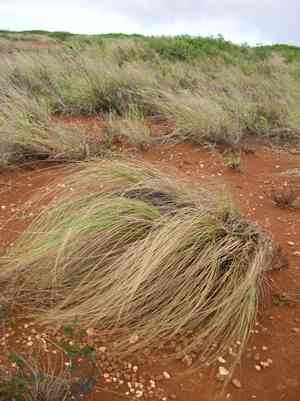
The most favorable time to relocate weeping lovegrass is in mid-spring, allowing for strong root development prior to the warmth of summer. Select a location that receives ample sunlight and possesses soil that drains effectively. Careful handling is crucial to preserve the roots' structure.
Essential Preparations Before Relocating Weeping Lovegrass?
Optimal Period for Moving Weeping Lovegrass?
The best time for relocating weeping lovegrass is during mid-spring. This timeframe promotes root establishment prior to the summer heat. By moving weeping lovegrass in this season, the plant benefits from moderate temperatures and spring rainfall, encouraging a robust root system and development. Transplanting in the vigor of spring ensures your weeping lovegrass will gracefully adjust to its new spot, utilizing the spring's supportive environment for peak growth.
Recommended Spacing Between Weeping Lovegrass Plants?
When planting weeping lovegrass, aim for a gap of approximately 1-2 feet (30-60 cm) between each. This provides ample space for growth without resource competition.
Ideal Soil Blend for Weeping Lovegrass Relocation?
Prepare the site with soil that drains effectively. Consider applying a balanced foundational fertilizer, such as a 10-10-10 blend. This will enrich your soil and aid your weeping lovegrass in quickly taking root.
Where to Replant Your Weeping Lovegrass?
Select a location with abundant sunlight for your weeping lovegrass. They thrive in sun, so the more light they receive daily, the healthier they will be.
Tools Required Before Relocating Weeping Lovegrass?
Gardening Gloves
To maintain hand cleanliness and prevent cuts or injuries during work.
Shovel
Essential for excavating holes in the ground to place the weeping lovegrass plant.
Spade
Helpful for assisting in lifting the weeping lovegrass from its current position.
Hand Trowel
Useful for refining the planting hole or clearing small stones, roots, or debris.
Watering Can or Hose
For hydrating the plant both before and after the relocation process.
Organic Compost
To supply the weeping lovegrass with extra nutrients needed for successful transplant and continued growth.
Mulch
Aids in retaining soil moisture and inhibiting weed proliferation.
How to Extract Weeping Lovegrass from the Ground?
How to Extract Weeping Lovegrass from the Ground?
From Ground: Begin by watering the weeping lovegrass plant to soften the earth. Use a shovel to dig around the plant's base, ensuring sufficient distance to avoid root damage. Gently, with a spade, lift the plant and its root system from the ground.From Pot: Prior to starting, thoroughly water the weeping lovegrass plant. Next, tilt the pot sideways, keeping your hand over the soil surface. Carefully pull the plant by its base while lightly tapping the pot to release the plant, along with the soil.From Seedling Tray: Water the tray and carefully remove the weeping lovegrass by loosening the soil around the edges using a small tool or your fingers. Hold the plant by its leaves (not the stem) and gently pull it free.
Detailed Steps for Relocating Weeping Lovegrass
Preparation
Start by digging a hole twice as wide and as deep as the root ball of your weeping lovegrass. Test fit your plant, ensuring the root ball is level with or slightly above the surrounding soil.
Placement
Position the weeping lovegrass in the hole, making sure the roots are evenly spread.
Backfill Soil
Refill the hole with soil, periodically pausing to compact the soil to eliminate air pockets.
Compost
Add a generous amount of organic compost around the plant; this will provide nutrients and aid root development.
Water
Thoroughly water the plant to establish good contact between the roots and the soil.
Mulch
Spread a protective layer of mulch around the plant, but not touching the stem. This will help retain moisture and suppress weed growth.
Post-Transplant Care for Weeping Lovegrass
Monitoring
Regularly inspect your weeping lovegrass during the initial weeks. Look for any indications of stress, such as wilting or yellowing leaves. This might suggest the plant is struggling to adapt to its new environment.
Watering
Consistent watering is crucial. Depending on weather conditions, water the weeping lovegrass every 2-3 days. However, be careful not to overwater and ensure proper soil drainage to prevent root rot diseases.
Pruning
Excessive foliage can stress the plant after relocation. If necessary, consider pruning the weeping lovegrass to reduce the amount of foliage the roots will need to support. Always use sharp and sanitized pruning shears to avoid causing unnecessary damage or disease.
Patience
Be patient. It can take some time for your weeping lovegrass to establish in its new location. Relocation is a 'shock' to the plant, and it may appear to 'pause' its growth for a while as it focuses on developing a strong root system.
Resolving Common Issues with Weeping Lovegrass Relocation.
What is the best season for relocating weeping lovegrass?
The optimal seasons to relocate weeping lovegrass are late summer or early autumn.
How far apart should I plant weeping lovegrass when relocating?
For optimal growth, weeping lovegrass should be spaced approximately 1-2 feet (30-60 cm) apart.
Should I water weeping lovegrass immediately after relocating?
Yes, generously water weeping lovegrass right after relocation to stimulate root growth.
How do I determine if weeping lovegrass is healthy enough for relocation?
Generally, weeping lovegrass suitable for relocation has vibrant green leaves, sturdy stems, and well-developed roots.
Do I need to prepare the soil before relocating weeping lovegrass?
Absolutely! Enhance your garden soil with organic matter to improve its quality before relocating weeping lovegrass.
Does sunlight exposure matter when relocating weeping lovegrass?
Yes, weeping lovegrass requires full sun exposure for optimal growth. Choose a relocation site that receives 6 to 8 hours of daily sunlight.
What's the initial step before removing weeping lovegrass from its current spot?
Begin by thoroughly watering weeping lovegrass a day before the relocation; this will facilitate its extraction from the original site.
What indicates that weeping lovegrass is struggling after being relocated?
Look for wilting or yellowing foliage; these could signal that weeping lovegrass is not adapting well to its new environment.
What's the correct depth to plant weeping lovegrass when relocating?
When relocating, plant weeping lovegrass into the soil at the same depth it was growing in its previous location.
How often should I water weeping lovegrass after relocating?
Weeping lovegrass prefers a deep, infrequent watering schedule. Water it thoroughly every 7 to 10 days unless the weather is excessively hot.



