How to Transplant Flaxleaf fleabane?
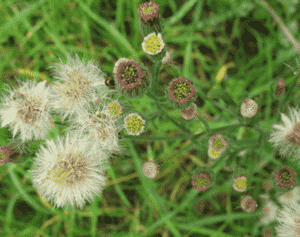
The ideal period for relocating flaxleaf fleabane is in the cooler part of the year's conclusion, enabling root development free from the strain of summer warmth. For flaxleaf fleabane, choose a bright location with soil that drains effectively. Bear in mind, careful handling of the root system promotes a smooth adjustment.
What Preparations are Needed Before Transplanting Flaxleaf Fleabane?
What is the Ideal Time for Transplanting Flaxleaf Fleabane?
The optimal period for relocating flaxleaf fleabane is during the cooler months of winter. This timing minimizes transplant shock, promoting strong root development in milder temperatures.
How Much Space Should You Leave Between Flaxleaf Fleabane Plants?
Prior to transplanting flaxleaf fleabane, consider spacing. It's best to position them approximately 1-2 feet (or 30-60 centimeters) apart. This provides ample room for growth without resource competition, enabling them to reach their full potential!
What is the Best Soil Mix for Flaxleaf Fleabane Transplanting?
Proper soil preparation is a critical step for flaxleaf fleabane. Choose a well-draining soil mixture, as these plants do not tolerate excessive moisture. Enhance your soil with a foundational fertilizer such as compost or balanced slow-release granules for a nutrient boost.
Where Should You Relocate Your Flaxleaf Fleabane?
Select a sunny spot for your flaxleaf fleabane as it flourishes in full sunlight. However, it can also perform well in partial shade. Aim for a location receiving at least 6 hours of direct sunlight; this is ideal for these plants.
What Equipments Should You Prepare Before Transplantation Flaxleaf Fleabane?
Gardening Gloves
To safeguard your hands while handling soil and the flaxleaf fleabane plant.
Hand Trowel
Useful for excavating small holes and for carefully extracting flaxleaf fleabane from its current container or ground patch.
Spade/Shovel
Necessary for digging up larger flaxleaf fleabane plants grown in the ground, ensuring the root ball remains intact.
Watering Can
For initial and post-transplantation irrigation of the plant.
Organic Compost
To provide essential nutrients to the flaxleaf fleabane plant.
Mulch
To help maintain soil moisture levels after transplantation.
How Do You Remove Flaxleaf Fleabane from the Soil?
How Do You Remove Flaxleaf Fleabane from the Soil?
From Ground: Start by thoroughly watering the flaxleaf fleabane plant to moisten the soil. Next, carefully dig a wide trench around the plant using a shovel, taking care to avoid damaging the root ball. Once a sufficient trench is created, work the spade beneath the root ball to lift the plant from its original position.From Pot: Water the flaxleaf fleabane plant thoroughly, then turn the pot on its side. Gently tap it to ease the plant and soil out, being careful not to tear or harm the roots.Seedling Tray: First, water the tray to soften the soil. Then, gently pry out the flaxleaf fleabane seedling using a tool like a spoon or blunt knife to preserve the root ball's integrity.
Step-by-Step Guide for Transplanting Flaxleaf Fleabane
Prep Ground
Prepare the new site by digging a hole twice the size of the flaxleaf fleabane's root ball. Place some organic compost at the bottom of the hole.
Carefully Place
Gently lift the plant, positioning it in the hole, ensuring it sits at the same depth as it was in its original spot.
Backfill Soil
Refill the hole with the excavated soil mixed with compost, making sure no air pockets remain that could harm the roots.
Watering
Using a watering can, gently irrigate the flaxleaf fleabane plant until the soil is adequately moist.
Mulching
Apply a layer of mulch around the base of the flaxleaf fleabane to aid in moisture retention and inhibit weed growth.
How Do You Care For Flaxleaf Fleabane After Transplanting?
Watering
Provide your flaxleaf fleabane with ample water. Check soil moisture frequently and keep it consistently moist but well-drained.
Pruning
Prune your flaxleaf fleabane plant as needed to shape it and remove any dead or damaged growth. This promotes more vigorous development.
Monitoring
Regularly observe the flaxleaf fleabane for any indications of stress, such as yellowing leaves or stunted growth, and adjust care as necessary.
Troubleshooting Common Issues with Flaxleaf Fleabane Transplantation.
What is the optimal time of year to transplant flaxleaf fleabane?
The best time to transplant flaxleaf fleabane is during its ideal season, which is typically between late spring and early summer (S10-S12).
How far apart should I plant flaxleaf fleabane seedlings when transplanting?
Each seedling should be planted approximately 1-2 feet (30.5-61 cm) apart from each other. This allows flaxleaf fleabane the necessary space to grow unhindered.
Is it necessary to trim flaxleaf fleabane before transplanting?
Yes, you should prune back flaxleaf fleabane prior to transplanting. This will minimise plant stress and stimulate more vigorous growth post-transplant.
Will flaxleaf fleabane transplant well in any type of soil?
Flaxleaf fleabane typically prefer well-drained soil for successful growth. Enriching the soil with compost, before transplanting, can ensure healthy growth.
Should I water flaxleaf fleabane immediately after transplanting?
Absolutely, watering flaxleaf fleabane directly after transplanting is beneficial. It helps settle the soil and reduces shock, aiding in a smoother transition.
What's the best way to prepare the transplant hole for flaxleaf fleabane?
The transplant hole should be twice the width and equal depth to the root ball of flaxleaf fleabane. A larger hole gives roots room to spread and grow.
When should I start fertilizing flaxleaf fleabane after transplanting?
Start fertilizing flaxleaf fleabane about 3-4 weeks post-transplant. This allows the plant to get acclimatized to the new environment before being nurtured for growth.
How much sunlight does flaxleaf fleabane need after being transplanted?
Flaxleaf fleabane thrives in full sun to partial shade. After transplanting, gradually expose the plant to direct sunlight to prevent sunburn.
Why are the leaves of my transplanted flaxleaf fleabane wilting?
Wilting could be a sign of transplant shock. Keep the soil well-watered but avoid over-watering, and protect the plant from excessive sunlight till it recovers.
How do I ensure successful transplantation of flaxleaf fleabane?
Ensure good soil, ample spacing, proper sunlight, regular watering, and timely fertilization. Importantly, stay patient as flaxleaf fleabane takes time to acclimatize to a new location.



