How to Transplant Horseweed?
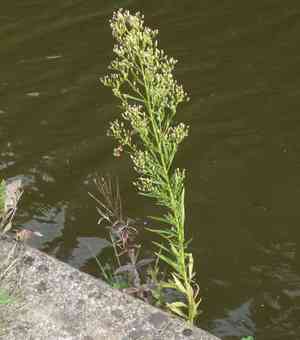
Relocate horseweed most effectively within the pleasant period spanning mid-spring through early summer. Select a site offering good drainage and sufficient solar exposure. To achieve optimal outcomes, gradually introduce young plants to external environments and ensure the substrate remains consistently damp.
What Preparations are Needed Before Transplanting Horseweed?
What is the Ideal Time for Transplanting Horseweed?
The optimal period to relocate horseweed is from late spring to early summer. This timing encourages robust development, facilitates easy adaptation to its new setting, and ensures a thriving plant.
How Much Space Should You Leave Between Horseweed Plants?
To provide your horseweed plant with adequate room to flourish, transplant it with a separation of 1-2 feet (30-60 cm). This will guarantee sufficient area for healthy development.
What is the Best Soil Mix for Horseweed Transplanting?
For horseweed plants, prepare your soil by utilizing a well-draining soil blend and incorporating a foundational fertilizer, such as compost or aged manure. This will supply essential nutrients for your plant's growth.
Where Should You Relocate Your Horseweed?
When selecting a site to transplant your horseweed plant, be sure to locate an area that receives full sun to partial shade. This will support vigorous growth and blooming.
What Equipments Should You Prepare Before Transplantation Horseweed?
Gardening Gloves
To safeguard your hands while handling the soil and horseweed plant.
Shovel or Spade
To excavate a hole at the new planting site and extract the plant from its original spot.
Trowel
For more precise digging tasks, such as removing horseweed plants from small containers or seedling trays.
Pruner or Scissors
To trim any damaged or dead roots or foliage prior to relocation.
Watering Can or Hose
For irrigating the horseweed plant before and after its move.
Mulch
To assist in regulating soil temperature and preserving moisture around the horseweed plant during its establishment phase.
Stakes and Garden Twine (optional)
To offer support for taller horseweed plants if they become top-heavy.
How Do You Remove Horseweed from the Soil?
How Do You Remove Horseweed from the Soil?
- From Ground:First, water the horseweed plant to moisten the soil. Then, excavate a wide trench around the plant using a shovel or spade, ensuring the plant's root ball remains intact. Carefully work the spade beneath the root ball to lift the plant from its initial location.- From Pot:Water the horseweed plant beforehand to dampen the soil. Invert the pot on its side or gently tap the bottom to loosen the plant and soil. Then, carefully slide the plant out of the pot, holding onto the base of the stem.- From Seedling Tray:Utilize a trowel to gently lift out the horseweed seedling along with a small amount of soil surrounding the roots, taking care not to harm the delicate roots and stem.
Step-by-Step Guide for Transplanting Horseweed
Prep Work
Water the horseweed plant in its current spot a few hours before transplanting to lessen stress and facilitate easier removal.
Dig a Hole
Use a shovel or spade to dig a hole at the transplant site, making it slightly deeper and wider than the horseweed plant's root ball.
Prepare the Plant
Trim any damaged or dead roots or foliage from the plant using pruners or scissors, ensuring a healthy beginning in its new location.
Place the Plant
Position the horseweed plant carefully in the hole, with the top of the root ball resting just slightly below ground level to aid rooting.
Backfill
Fill the hole with soil, gently compacting it around the root ball to eliminate any large air pockets.
Water
Water the horseweed plant thoroughly to help settle the soil and establish contact between the roots and surrounding soil.
Mulch
Apply a 2-3 inches layer of mulch around the base of the horseweed plant to help conserve moisture, regulate soil temperature, and suppress weeds.
Support (Optional)
For taller horseweed plants, if they are top-heavy or leaning, install stakes and use garden twine to provide support.
How Do You Care For Horseweed After Transplanting?
Watering
Water the horseweed plant consistently during the initial weeks following transplantation, keeping the soil uniformly moist but not waterlogged.
Weeding
Remove weeds as they appear, being careful not to disturb the horseweed plant's roots.
Protection
Shield the horseweed plant from strong winds and extreme temperatures by placing a temporary windbreak or plant cover nearby, if necessary.
Monitoring
Observe the horseweed plant's growth and overall health, addressing any issues that may arise as it establishes itself in the new location.
Troubleshooting Common Issues with Horseweed Transplantation.
What's the ideal time to transplant horseweed?
The perfect time to relocate horseweed is mid-spring to early summer when the weather is mild and conducive to growth.
How much space should I provide between horseweed plants?
Allow ample room between plants, ideally 1-2 feet (30-60 cm) apart, for proper growth and air circulation.
What kind of soil works best for transplanting horseweed?
Horseweed adapts well to various soil types but prefers well-drained, loamy soil with a slightly acidic to neutral pH.
Do I need to water horseweed immediately after transplanting?
Yes, water the horseweed right after transplanting to help settle the soil, promote root growth, and reduce transplant shock.
How deep should the planting hole be for horseweed?
Dig a hole twice as wide and the same depth as the root ball, allowing for proper root growth.
What is the preferred temperature range for transplanting horseweed?
Horseweed thrives best in temperatures between 50-70°F (10-21°C) for successful transplantation and growth.
How often should I water horseweed after transplanting?
Water horseweed consistently but avoid overwatering, dampening the soil every few days, depending on local weather conditions.
Should the horseweed be exposed to direct sunlight?
Horseweed prefers full sun to partial shade environments. Exposing the plant to at least 6 hours of sunlight is ideal.
How can I minimize transplant shock for horseweed?
Minimize transplant shock by carefully handling the roots, maintaining proper watering, and providing shade right after transplanting.
When can I expect horseweed to establish itself after transplanting?
Expect horseweed to establish itself within a few weeks after transplanting, with proper care and suitable growing conditions.



