How to Transplant Arugula?
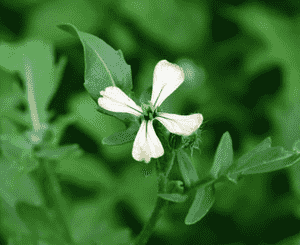
The ideal period for relocating arugula is at the beginning of spring, leveraging the temperate conditions for superior integration. Select a location bathed in sunlight with effective water runoff. Should transplantation be essential, guarantee that root disruption is kept to a minimum to avert stress.
What Preparations are Needed Before Transplanting Arugula?
What is the Ideal Time for Transplanting Arugula?
Starting transplantation at the onset of spring or as spring fully arrives is perfect. This period offers arugula mild temperatures and sufficient soil moisture, aiding root establishment and growth potential. By selecting this opportune moment, you give arugula the best chance to flourish, avoiding summer heat that can stress young plants. Embrace this time for strong arugula development and abundant harvests.
How Much Space Should You Leave Between Arugula Plants?
When relocating arugula, ensure ample room for each plant. The optimal spacing is approximately 6-12 inches (15-30 cm) apart. This provides your plants sufficient area to grow and thrive.
What is the Best Soil Mix for Arugula Transplanting?
The soil for arugula transplantation should drain well and be rich in organic material. A foundational fertilizer, such as a balanced 10-10-10 granular type, will help the arugula prosper. Ensure it's thoroughly mixed into the soil prior to planting.
Where Should You Relocate Your Arugula?
Arugula prefers a sunny spot, so select an area where it will receive at least six hours of sunlight daily. However, it can also tolerate partial shade, especially in warmer climates.
What Equipments Should You Prepare Before Transplantation Arugula?
Gardening Gloves
To safeguard your hands while handling soil and arugula.
Spade or Trowel
Suitable for digging the transplant hole and extracting the plant from its original spot.
Watering Can
To hydrate the seedling before and after its relocation.
Organic Compost
To enrich the planting hole, providing a nourishing environment for the transplanted plant's growth.
Gardening Pruners
May be necessary for trimming the arugula if it has grown significantly in height or width.
Seedling Tray or Pot (if applicable)
depending on where your arugula originally grows.
How Do You Remove Arugula from the Soil?
How Do You Remove Arugula from the Soil?
From Ground: First, water the arugula to moisten the soil. Using your spade or trowel, carefully dig a trench around the plant, taking care not to harm its root system. With a gentle lifting motion, work the tool beneath the root ball and lift the plant out. Handle the plant delicately to prevent damage.From Pot: Begin by watering the arugula in its container. This helps loosen the soil and the plant's roots. Invert the pot and gently tap its base to release the plant. If the plant is firmly rooted, you might need to run a knife along the pot's inner edge to help free it.From Seedling Tray: If your arugula is growing in a seedling tray, water them first. Then push up from the tray's bottom to loosen each cell or compartment. Gently grasp the seedling by its leaves (not the stem) and lift upwards.
Step-by-Step Guide for Transplanting Arugula
Plant Examination
Inspect the arugula for indications of pests or diseases. Healthy plants have a greater likelihood of surviving the transplanting process.
Prepare the New Spot
With your spade or trowel, excavate a hole that is twice as wide and the same depth as the arugula's root ball. Incorporate organic compost into the hole and blend it with the existing soil.
Planting
Position your arugula into the hole. The top of the root ball should be level with the surrounding soil. Backfill around the plant with soil and gently firm it.
Watering
Thoroughly water the plant after transplanting. This helps prevent the formation of air pockets and settles the soil.
How Do You Care For Arugula After Transplanting?
Monitoring
Keep a regular watch on the arugula for several weeks after transplanting. Look for signs of stress such as wilting, yellowing, or leaf drop.
Temperature Regulation
Arugula thrives in cooler temperatures. Ensure you provide shade if the plants are exposed to intense heat.
Regular Watering
Do not allow the soil to become too dry, especially during the initial weeks. Keep it adequately hydrated but avoid waterlogging.
Feeding
Wait 2-3 weeks after transplanting to fertilize the arugula. Thanks to the compost, it will have sufficient nutrients initially.
Light Cultivation
Occasionally perform gentle cultivation around the plants to discourage weed growth and maintain soil structure.
Troubleshooting Common Issues with Arugula Transplantation.
When is the best period for transplanting arugula?
Relocate arugula during late spring to mid-summer months. This will provide the plant with optimal growth conditions.
What is the ideal spacing for arugula when planting?
Ideally, maintain a distance of 6-12 inches (15-30 cm) between each plant. This ensures ample space for growth.
What types of soil conditions do arugula prefer?
Arugula flourishes in fertile, well-drained soil with a pH between 6.0 and 7.0. Adjust soil properties if necessary.
What should I do if my arugula wilts after transplanting?
Don't worry! Water thoroughly and place it in partial shade for a few days. Its resilience might surprise you.
How frequently should I water arugula after transplanting?
Ensure the soil remains moderately moist, but not waterlogged. Water about once or twice a week under typical conditions.
If arugula leaves turn yellow, what should I do?
Yellow leaves may indicate excessive watering, nutrient deficiency, or disease. Promptly adjust watering habits, fertilize, or seek expert advice.
My arugula transplant isn't growing. What could be wrong?
Growth problems could signal poor soil, improper watering, or pests. Evaluate these factors closely and make necessary adjustments.
What should I do if pests are affecting my transplanted arugula?
First, try organic pest control methods. If unsuccessful, consider a mild pesticide. Remember, healthy plants are more resistant to pests.
How much sun does my arugula need after transplanting?
Arugula prefers full sun, but can also tolerate partial shade. Approximately 6 hours of daily sunlight is ideal.
Is it necessary to fertilize arugula after transplanting?
While not essential, a balanced, organic fertilizer can encourage vigorous growth. Use according to the manufacturer's instructions.



