How to Transplant Rattlesnake master?
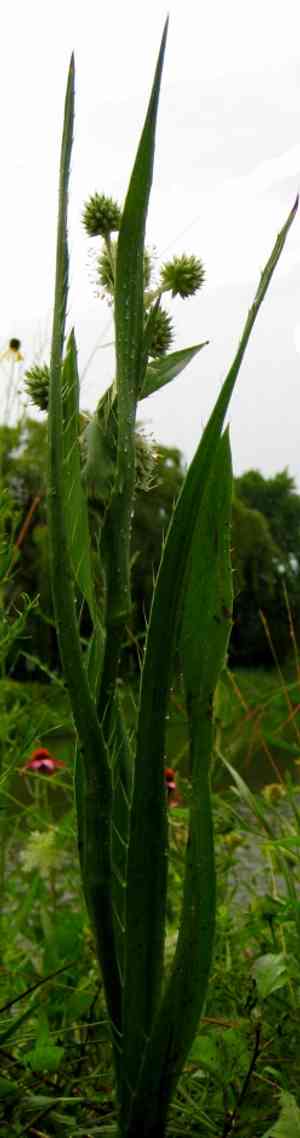
The most favorable period for relocating rattlesnake master is at the beginning of summer, providing temperate conditions ideal for root development. Choose a location that receives ample sunlight and has soil that drains effectively. Carefully managing the root system during the move facilitates a smooth adjustment.
What Preparations are Needed Before Transplanting Rattlesnake Master?
What is the Ideal Time for Transplanting Rattlesnake Master?
The perfect time to move rattlesnake master is in late spring. This period offers mild weather, allowing roots to establish before summer's intense heat. Transplanting rattlesnake master then promotes strong growth, as the warming soil aids root development and helps the plant adjust before high summer temperatures. Engaging in this gardening task under optimal conditions ensures a successful transition and healthier, more resilient growth for your cherished rattlesnake master.
How Much Space Should You Leave Between Rattlesnake Master Plants?
Ensure each rattlesnake master is spaced approximately 1.5-2 feet (45.72cm - 60.96cm) apart when transplanting. This provides ample room for growth and prevents competition for nutrients!
What is the Best Soil Mix for Rattlesnake Master Transplanting?
For rattlesnake master, a well-draining soil rich in organic matter is ideal. You can achieve this by blending garden loam with organic compost. Adding a foundational fertilizer, such as a slow-release granular type, can further enhance its growth.
Where Should You Relocate Your Rattlesnake Master?
Select a spot with full sun to partial shade for rattlesnake master. This plant thrives in sunlight but can also endure some shade. Therefore, any location receiving 6-8 hours of sunlight would be perfect!
What Equipments Should You Prepare Before Transplantation Rattlesnake Master?
Gardening Gloves
To safeguard your hands while handling tools and directly touching soil.
Trowel
For excavating the rattlesnake master from its initial spot and digging a new hole at its new location.
Garden Spade or Shovel
To assist in lifting the plant from its original position, especially if it possesses a deep root system.
Watering Can
To hydrate the rattlesnake master plant both in its initial location and after it has been moved.
Wheelbarrow
To transport the rattlesnake master plant from its original site to its new one if the distance is considerable.
Mulch
To be applied around the base of the rattlesnake master post-transplant to shield it from sudden temperature shifts and maintain soil moisture.
Garden Pruner
To trim damaged roots or foliage during transplanting to encourage healthy new growth.
How Do You Remove Rattlesnake Master from the Soil?
How Do You Remove Rattlesnake Master from the Soil?
From Ground: Start by thoroughly watering the rattlesnake master plant. This will soften the soil, making digging easier and minimizing plant stress. Using a spade or shovel, dig a circle around the plant, deep enough to avoid harming the root ball. Clear soil away and gently probe beneath the root ball with the spade. Carefully attempt to lift the plant from the ground.From Pot: Water the rattlesnake master completely to moisten the soil. Gently tilt the pot sideways and tap its sides and bottom to loosen the plant. Support the plant's base with your other hand, and carefully slide it out of the pot. Avoid pulling on the stem or foliage to prevent damage.From Seedling Tray: Water the rattlesnake master seedling tray so the soil is moist, not saturated. With your fingers or a small tool, gently push up from the bottom of the tray's cell to dislodge the seedling. Hold the seedling by its leaves, not the stem, as you lift it out of its cell.
Step-by-Step Guide for Transplanting Rattlesnake Master
Preparation
Ensure the new planting hole is ready before you begin removing the rattlesnake master from its original spot. The hole should be twice as wide but no deeper than the rattlesnake master's rootball. This aids root spread and growth.
Removal
Follow the removal procedure based on your rattlesnake master's initial location. Try to retain as much of the original soil around the roots as possible.
Placement
Gently place the rattlesnake master plant into the hole, ensuring it stands upright. The top of the root ball should be at or slightly above ground level.
Backfill
Refill the hole with garden soil, firming it as you go. Avoid planting the rattlesnake master too deeply, as this could lead to waterlogging.
Final touches
Lightly water the rattlesnake master and apply a layer of mulch around the plant's base (without touching the stem) to help retain moisture and deter weeds.
How Do You Care For Rattlesnake Master After Transplanting?
Watering
Consistent watering is vital after transplanting. However, prevent waterlogged conditions, as this could cause your rattlesnake master's roots to rot. Water the rattlesnake master deeply immediately after transplantation, and maintain steady moisture for the first 2-3 weeks until your rattlesnake master becomes established.
Pruning
You might observe some foliage turning yellow or brown after transplanting. This is normal and indicates your plant's reaction to relocation stress. Use your garden pruner to remove this discolored foliage.
Monitoring
Closely observe your transplanted rattlesnake master. Look for signs of transplant shock – wilting, yellowing, and dropped leaves. If these symptoms persist, consult a plant care guide or local nursery for advice.
Troubleshooting Common Issues with Rattlesnake Master Transplantation.
When is the ideal time to transplant rattlesnake master?
The best time to transplant rattlesnake master is in the third season. This allows the plant to establish itself before harsh weather arrives.
What is the ideal distance for transplanting rattlesnake master saplings?
For optimal growth, ensure rattlesnake master saplings are transplanted about 1.5-2 feet (45-60 cm) apart. This provides each plant sufficient space to grow.
Why is my transplanted rattlesnake master drooping?
Drooping often signals post-transplant shock. Make sure to keep the soil moist for the initial few weeks to help the rattlesnake master adjust.
Is full sunshine necessary for a transplanted rattlesnake master?
Yes, rattlesnake master thrives in full sun and well-drained soils. Ensure the location where you've transplanted your rattlesnake master receives ample sunlight.
How deep should I plant rattlesnake master when transplanting?
When transplanting, the rattlesnake master should be planted at the same depth as it was in its original location. This is crucial for its proper development.
What kind of soil is best to use when transplanting rattlesnake master?
Rattlesnake master prefers well-drained soil. Avoid overly damp or clay-heavy soils for optimal growth after transplanting.
How should I water my newly transplanted rattlesnake master?
Keep the soil moist but not overly saturated for the first few weeks. Overwatering can lead to root rot or disease in rattlesnake master.
Why are the leaves of my transplanted rattlesnake master turning yellow?
Yellowing leaves can indicate stress, insufficient watering, or nutrient deficiency. Ensure appropriate care is being provided to your transplanted rattlesnake master.
Can I transplant rattlesnake master next to my other plants?
Yes, but keep the 1.5-2 feet (45-60 cm) spacing guideline in mind. Rattlesnake master needs adequate space to properly grow and thrive.
How should I prepare the soil before transplanting rattlesnake master?
Prepare the soil by loosening it and removing any weeds or debris. Incorporating compost or a slow-release fertilizer can also be beneficial for rattlesnake master.



