How to Transplant Red box?
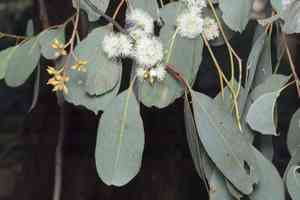
Relocating red box flourishes when performed during its active growth period, usually in mid-spring, as this offers ideal circumstances for root development. Choose a bright spot with soil that drains effectively. If feasible, preserve the soil's composition to facilitate a smoother adjustment for red box.
What Preparations are Needed Before Transplanting Red Box?
What is the Ideal Time for Transplanting Red Box?
The optimal period to relocate red box is during the peak of its renewal phase, typically mid-spring. This timeframe offers a combination of mild temperatures and ample development time prior to the full onset of summer. Moving red box during this season leverages its robust post-winter growth surge, facilitating a smoother establishment in its new spot. Furthermore, as this perennial settles under these prime conditions, it experiences reduced transplant shock, leading to more vigorous and sturdy growth.
How Much Space Should You Leave Between Red Box Plants?
For red box, aim to space each plant approximately 5-6 feet (1.5-1.8m) apart. This allows them to thrive, providing sufficient room for their development.
What is the Best Soil Mix for Red Box Transplanting?
Red box thrives in soil that drains well, ideally a loamy or sandy type. Incorporating a slow-release granular fertilizer as a base layer during preparation will nourish the plant and ensure a strong start.
Where Should You Relocate Your Red Box?
When choosing a site for red box, remember their need for sunlight. Select a location that receives abundant sun exposure throughout the day, with some filtered light during the hottest hours.
What Equipments Should You Prepare Before Transplantation Red Box?
Transplanting Shovel
For excavating around the red box's root system and creating the hole for its new placement.
Gardening Fork
It will assist in breaking up the soil and promoting root expansion in the new location.
Pruning Shears
In case any damaged roots require trimming prior to transplantation.
Wheelbarrow or Tarp
For transporting your red box from its original position to its new site.
Watering Can or Hose
To hydrate the plant before, during, and after the relocation process.
Gardening Gloves
To safeguard your hands while handling the soil and plant material.
Mulch
To establish a protective layer over the soil post-transplant, aiding in moisture retention and inhibiting weed growth.
How Do You Remove Red Box from the Soil?
How Do You Remove Red Box from the Soil?
From Ground: Begin by thoroughly watering the red box several hours before attempting removal, as this will simplify the process. Dig a wide trench around the plant with your shovel, ensuring it's broad enough to keep the root ball intact. Once the trench is established, start digging beneath the root ball and carefully lift it to prevent root damage.From Pot: Hydrate the plant before extraction. Gently tilt the pot sideways and carefully slide the red box plant out, being careful not to pull or tug excessively on the stem. If removal is difficult, you can tap the pot's edges to loosen the soil.From Seedling Tray: When red box seedlings have developed a few sets of true leaves and are robust enough to handle, they can be transplanted. Simply push from the cell's bottom, or tilt the tray and gently pull on the leaf base to extract the seedling.
Step-by-Step Guide for Transplanting Red Box
Preparation
Place the red box in the wheelbarrow or on the tarp for easy movement to the new planting site. Avoid harming its roots throughout the procedure.
Digging The Hole
Using your transplanting shovel, excavate a hole at the new location that is twice as wide and equal in depth to the red box's root ball. Loosen the soil on the sides with a gardening fork.
Placing The Plant
Position the red box in the center of the hole, ensuring it stands upright and the top of the root ball is level with the surrounding ground.
Filling The Hole
Backfill the hole with the soil you removed. Periodically press the soil down with your hands as you fill, to eliminate air pockets.
Watering
Water the red box generously immediately after transplanting. Ensure the water thoroughly soaks the root zone.
Applying Mulch
Apply a layer of mulch around the base of the red box, which helps maintain soil moisture and deters weed proliferation.
How Do You Care For Red Box After Transplanting?
Monitoring
Carefully observe the red box in the days following its relocation. Be vigilant for signs of stress, such as wilting or yellowing foliage. Adjust care as needed to address these symptoms.
Watering
Water the plant thoroughly for the initial few weeks, ensuring the soil remains consistently moist. Subsequently, the watering frequency can be gradually reduced as the red box becomes established.
Avoid Fertilization
Refrain from applying any fertilizer until the red box exhibits signs of new growth, as it could burn the roots and further stress the plant.
Pruning
Resist the urge to prune the red box immediately after transplanting. Wait for several weeks and confirm the plant has settled into its new location before considering any form of trimming.
Troubleshooting Common Issues with Red Box Transplantation.
When is the best season to transplant red box?
The ideal period to transplant red box is during S2, as these are the most favorable climatic conditions for this plant to acclimate.
What is the ideal distance between red box plants when transplanting?
Each red box plant should be positioned approximately 5-6 feet (1.5-1.8 meters) apart. This provides ample room for their development without overcrowding.
Can I replant red box at any size?
Yes, but it's preferable if the red box is no taller than 30-36 inches (75-90 cm). This simplifies the transplanting process and enhances survival rates.
Why do my transplanted red box leaves start to wilt?
Remember, red box plants require time to recover after being moved. If you provide sufficient water and avoid excessive sun exposure, your plant should soon recuperate.
What should I do if my red box isn't showing new growth post-transplantation?
Plants like red box sometimes need time to adjust after being transplanted. However, if you don't observe new growth after a month, consider using a natural fertilizer.
Should I prune the red box before or after transplanting?
Pruning red box before transplanting can lessen shock and encourage healthier growth. Remove any dead or unhealthy branches, but keep the main structure intact.
How deep should I dig the hole when transplanting red box?
The hole's depth should be twice the size of the red box's root ball, offering ample space for roots to spread and establish.
Is any specific soil mix needed for red box?
Red box isn't overly particular, but well-draining soil enriched with compost can foster healthy growth. Avoid overly clayey or sandy soil types.
How much should I water red box post-transplant?
Freshly transplanted red box should be watered thoroughly, then every couple of days. Ensure it receives enough water without becoming waterlogged.
How should I handle the roots of red box during transplantation?
Gently loosen the roots before planting. If they are pot-bound, make a few cuts down the sides of the root ball to encourage outward growth.



