How to Transplant Flowering Spurge?
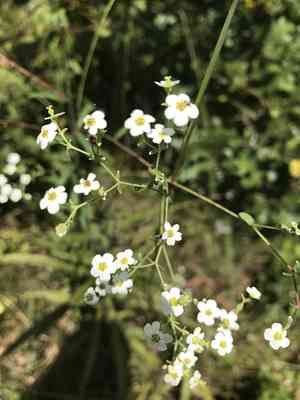
The ideal period to transplant blooming Spurge is amidst the mild temperatures of spring, generally after the last frost has passed. Select a brightly illuminated spot with effective water runoff. Should it be necessary, enrich the soil with compost and allow ample room for subsequent development.
What Preparations are Needed Before Transplanting Flowering Spurge?
What is the Ideal Time for Transplanting Flowering Spurge?
The perfect time to move flowering Spurge is after winter's chill has passed and the ground is workable – essentially, at the start of its active growth. Relocating your flowering Spurge during this period aligns with its natural development, giving it plenty of time to establish roots before summer's intense heat. This thoughtful timing can lead to a lush and strong display as the plant settles into its new spot, free from frost risks or heat stress.
How Much Space Should You Leave Between Flowering Spurge Plants?
Hello budding gardeners! When transplanting your flowering Spurge, aim to give each plant room to flourish. Space them about 18-24 inches (45-60 cm) apart. This will ensure they have ample room to grow and won't be competing for resources.
What is the Best Soil Mix for Flowering Spurge Transplanting?
For your flowering Spurge, prepare a soil that drains well – ideally loamy and slightly sandy. Give your young plants the best start by mixing in a balanced, slow-release fertilizer to provide essential nutrients!
Where Should You Relocate Your Flowering Spurge?
Your flowering Spurge loves the sun, so choose a garden spot that gets full sunlight! Ensuring your flowering Spurge receives ample light will help it thrive and produce those beautiful blooms year after year.
What Equipments Should You Prepare Before Transplantation Flowering Spurge?
Gardening Gloves
To safeguard your hands when working with the flowering Spurge and soil.
Shovel or Spade
For digging out the plant and preparing its new planting site.
Watering Can or Hose
To hydrate the flowering Spurge both prior to and following its relocation.
Wheelbarrow or Garden Cart
To move the flowering Spurge, if necessary.
Pruning Shears
To trim any damaged roots or stems.
Mulch
To help retain moisture around the flowering Spurge after transplanting.
How Do You Remove Flowering Spurge from the Soil?
How Do You Remove Flowering Spurge from the Soil?
From Ground: First, water the flowering Spurge to moisten the soil, making extraction easier. Use a shovel or spade to dig a wide circle around the plant, ensuring a generous amount of soil remains with the root ball. Gently work the tool beneath to lift the flowering Spurge from its spot.From Pot: Water the flowering Spurge before starting. Tilt the pot sideways and gently tap the bottom to loosen the plant. Support the plant by its base and slowly ease it out, being careful not to damage the stem or roots.From Seedling Tray: Water the seedling to ensure the soil is moist. Use a small tool like a dibber or a fork to gently lift the seedling with a clump of soil around its roots to avoid any root damage.
Step-by-Step Guide for Transplanting Flowering Spurge
Prepare the New Site
Dig a hole twice as wide as the flowering Spurge's root ball and of the same depth. Loosen the surrounding soil to allow roots to spread easily.
Plant Removal
Follow the correct removal method for the flowering Spurge from its original spot, aiming to keep the root ball as intact as possible.
Place the Plant
Position the flowering Spurge in the center of the new hole. The top of the root ball should be level with the ground. Adjust the hole's depth if needed.
Backfill the Hole
Fill the hole with the excavated soil, gently patting it down around the flowering Spurge to eliminate air pockets. Ensure the plant stands upright and is stable.
Watering
Water the flowering Spurge thoroughly after planting to settle the soil around the roots and to hydrate the plant.
Mulching
Apply a layer of mulch around the base of the flowering Spurge to conserve moisture and suppress weeds. Keep the mulch a few inches away from the stem to prevent rot.
How Do You Care For Flowering Spurge After Transplanting?
First Week Care
Check the soil moisture daily and water as needed to keep the soil moist but not waterlogged.
Ongoing Maintenance
Monitor the flowering Spurge for signs of stress, such as wilting or discoloration, and maintain consistent moisture levels especially during dry spells.
Root Establishment
Avoid disturbing the soil around the flowering Spurge, as the roots need time to re-establish. Gentle care will support the recovery and growth of the transplanted flowering Spurge.
Pruning
Prune any damaged or dead foliage to redirect the flowering Spurge's energy to root development and new growth.
Troubleshooting Common Issues with Flowering Spurge Transplantation.
Why is my flowering Spurge not thriving after transplanting?
Ensure it was transplanted in early to late spring for optimal root establishment. Additionally, inadequate watering or poor soil conditions may impact its health.
What is the ideal spacing for planting flowering Spurge?
For flowering Spurge, the sweet spot for spacing lies between 18-24 inches (45-60 cm) to allow sufficient room for growth and airflow.
How deep should I plant flowering Spurge during transplanting?
The root ball of flowering Spurge should sit level with the soil surface. Planting too deep may cause the roots to suffocate.
Can I transplant flowering Spurge during summer or fall?
Transplanting flowering Spurge is best in early to late spring, coinciding with its natural growth cycle and providing a full season to establish.
Should I water flowering Spurge immediately after transplanting?
Yes, water flowering Spurge thoroughly post-transplant to help settle the soil and hydrate the roots, but avoid waterlogging.
Do I need to amend the soil when transplanting flowering Spurge?
Adding organic matter to the soil can improve nutrient content and drainage, making it more hospitable for flowering Spurge.
How do I handle the roots of flowering Spurge when transplanting?
Gently tease out the roots of flowering Spurge to promote outward growth, taking care not to damage them during the process.
Why are the leaves of flowering Spurge yellowing after transplant?
Yellowing leaves might signal distress, possibly from overwatering, under-watering, or shock from the transplant process.
How much sun does flowering Spurge need after transplanting?
After transplanting, flowering Spurge should be placed in a location that receives ample sunlight to ensure healthy growth.
What should I do if flowering Spurge is wilting after transplanting?
Wilting can be caused by transplant shock. Ensure proper watering and consider shade until flowering Spurge shows signs of recovery.



