How to Transplant Cypress spurge?
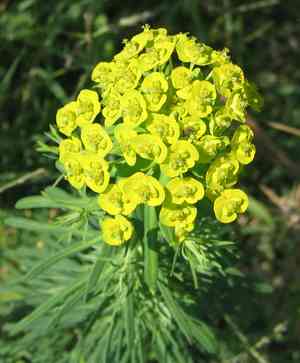
The ideal period for relocating cypress spurge is in the pleasant mid-spring, providing sufficient opportunity for its root system to settle prior to severe weather conditions. Cypress spurge thrives in soil that drains effectively and in areas with abundant sunlight; therefore, ensure optimal surroundings for robust development. Enjoy your transplanting!
What Preparations are Needed Before Transplanting Cypress Spurge?
What is the Ideal Time for Transplanting Cypress Spurge?
The optimal period to move cypress spurge is during the middle of spring. The mild spring weather promotes strong development while reducing transplant shock. Transplanting at this time gives cypress spurge the best chance for quick and robust flourishing. So, for the best start, transplant cypress spurge in mid-spring! Prepare to be amazed by its lush growth.
How Much Space Should You Leave Between Cypress Spurge Plants?
When transplanting your lovely cypress spurge plant, provide each ample room with a spacing of approximately 12-24 inches (30-60 cm) apart. This will enable it to grow full and strong, while also preventing overcrowding.
What is the Best Soil Mix for Cypress Spurge Transplanting?
To create a suitable environment for your cypress spurge, prepare a well-drained soil mixture with a pH that is slightly acidic to neutral. Incorporate a foundational fertilizer, such as 10-10-10 (N-P-K), to nourish your plant and support healthy development.
Where Should You Relocate Your Cypress Spurge?
To ensure your cypress spurge receives ample sunlight, position it in an area that gets full sun to partial shade. This means a minimum of 6 hours of daily sunlight for a healthy, thriving plant.
What Equipments Should You Prepare Before Transplantation Cypress Spurge?
Gardening Gloves
These are crucial for safeguarding your hands from soil and any prickly parts of the plant.
Trowel
This implement allows for precise excavation around the plant's root system.
Peeled twig
This tool can assist in loosening the soil surrounding the roots without causing damage.
Garden Spade
A larger implement useful for digging the transplanting hole in the ground.
Watering Can
To hydrate the plant before and after its relocation.
Organic Compost
This will replenish soil nutrients and stimulate cypress spurge's growth after transplant.
Wheelbarrow or Container
Useful for moving cypress spurge from its current spot to the new planting site.
How Do You Remove Cypress Spurge from the Soil?
How Do You Remove Cypress Spurge from the Soil?
From Ground: Gently moisten the cypress spurge to dampen the soil, then, using a trowel, carefully excavate a wide hole around the plant, ensuring the root ball remains intact. Gradually work the trowel beneath the root ball, lifting the plant from its original position.From Pot: If cypress spurge is in a container, begin by watering the plant. Then, manipulate the pot by gently compressing its sides. This helps in detaching the root ball from the pot. Carefully invert the pot while supporting the plant and extract it.From Seedling Tray: If starting from a seedling tray, first water the soil. This helps protect the delicate roots. Using a peeled twig, loosen the soil around the roots and gently lift cypress spurge out, taking extreme care not to harm the young root system.
Step-by-Step Guide for Transplanting Cypress Spurge
Prepare the New Site
Before extracting cypress spurge from its current location, prepare the new site. Dig a hole twice the width and no deeper than the root ball of cypress spurge. Place some organic compost in the hole.
Removal
Carefully extract cypress spurge from its original location following the instructions provided above.
Transplant
Gently position cypress spurge in the new hole. The base of your plant should be level with or slightly above the ground surface.
Fill the Hole
Backfill around the plant with the excavated soil. Lightly compact the soil to ensure that cypress spurge is securely situated in the ground and there are no air pockets in the soil.
Watering
After planting, water thoroughly. Using a watering can should be sufficient. This step is crucial to ensure that cypress spurge adapts well to its new environment.
How Do You Care For Cypress Spurge After Transplanting?
Regular Check-ins
Inspect cypress spurge frequently; this plant does not tolerate neglect, especially after being transplanted.
Mulching
Mulch helps retain moisture, inhibits weed growth, and moderates soil temperature fluctuations. Using organic mulch also returns valuable nutrients to the soil as it breaks down.
Watering
While cypress spurge is drought-tolerant once established, it will benefit from consistent watering (but not saturation) for the initial few weeks to help it develop a robust root system.
Pruning
Pruning is not mandatory but can encourage a more bushy growth habit.
Troubleshooting Common Issues with Cypress Spurge Transplantation.
When is the best time to transplant cypress spurge?
The ideal period to transplant cypress spurge is mid-spring. This allows the plant to establish itself before summer.
How much space should I leave between each cypress spurge plant when transplanting?
Ensure a spacing of 12-24 inches (30-60 cm) between each cypress spurge when transplanting for optimal growth.
Why is my transplanted cypress spurge wilting?
Cypress spurge may wilt due to transplant shock. This can be alleviated by providing consistent and careful watering after transplanting.
Why does my transplanted cypress spurge have yellow leaves?
Yellow leaves could indicate overwatering or a lack of nutrients. Adjust the watering schedule and ensure nutrient-rich soil for cypress spurge.
Can I transplant cypress spurge in summers?
It's preferable to transplant cypress spurge in mid-spring, but if necessary, you can in summer. Ensure adequate water and shade to prevent heat stress.
What type of soil does cypress spurge prefer?
Cypress spurge thrives in well-drained soil and can tolerate a broad pH range. Incorporate organic matter if the soil is too sandy or clayey.
How often should I water cypress spurge after transplanting?
For the initial weeks after transplanting, keep the soil consistently moist, but not waterlogged. Afterward, water cypress spurge moderately.
Why aren't my transplanted cypress spurge plants showing new growth?
Slow growth can be attributed to shock, insufficient light, or nutrient-deficient soil. Gradual adjustment, good sunlight, and nutrient-rich soil can help.
Can I transplant cypress spurge in a pot?
Yes, cypress spurge can be cultivated in containers. Ensure the pot is sufficiently large and has good drainage to keep roots healthy.
How deep should I plant cypress spurge during transplant?
When transplanting cypress spurge, plant it at the same depth as it was in its original location. This is vital for promoting healthy root growth.



