How to Transplant Crown of thorns?
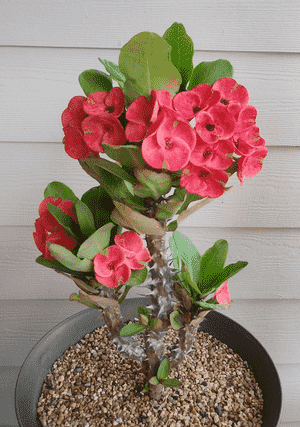
The ideal period for relocating your crown of thorns is from late spring through early summer, when temperatures are mild. This timing facilitates superior root development in its new environment. Select a bright area featuring soil that drains effectively. Provide a comfortable setting, and your crown of thorns will flourish!
What Preparations are Needed Before Transplanting Crown Of Thorns?
What is the Ideal Time for Transplanting Crown Of Thorns?
The optimal period for relocating your crown of thorns is as spring concludes and summer commences. This timing ensures the plant adapts well to its new environment and fosters robust development. Transplanting during this season aids crown of thorns in better nutrient absorption, root establishment, and sustained vigorous growth. Furthermore, favorable weather conditions facilitate its rapid post-transplant recovery, which is vital for crown of thorns's flourishing health.
How Much Space Should You Leave Between Crown Of Thorns Plants?
For crown of thorns, position each plant approximately 18-24 inches (45-60 cm) apart to provide ample room for expansion and encourage healthy air circulation.
What is the Best Soil Mix for Crown Of Thorns Transplanting?
Prepare well-draining, loamy soil with a slightly acidic pH (6-7) for crown of thorns and incorporate some organic compost as a foundational fertilizer to nourish the plants.
Where Should You Relocate Your Crown Of Thorns?
Select a sunny spot receiving at least 6 hours of direct sunlight daily for crown of thorns to thrive. Remember, they prefer bright light and warmth to ensure their best development.
What Equipments Should You Prepare Before Transplantation Crown Of Thorns?
Gardening Gloves
To safeguard your hands while handling soil and the crown of thorns plant.
Trowel or Shovel
To assist in digging holes and extracting the plant from its original spot.
Pruning Shears
To trim any damaged or excess growth on the plant prior to transplanting.
Pot or Seedling Tray (if applicable)
To prepare the crown of thorns for relocation if it's currently in a container or seed tray.
Watering Can
To irrigate the crown of thorns plant before and after its transfer.
Mulch
To help maintain moisture around the newly transplanted crown of thorns plant.
How Do You Remove Crown Of Thorns from the Soil?
How Do You Remove Crown Of Thorns from the Soil?
From Ground: First, hydrate the crown of thorns plant to moisten the soil. Then, excavate a wide trench around the plant using a shovel or spade, ensuring the plant's root ball remains intact. Carefully maneuver the spade beneath the root ball to lift the plant from its initial location.From Pot: Gently water the crown of thorns plant and allow it to sit for a few moments. Place one hand on the soil surface with fingers spread around the plant's base, and carefully invert the pot while supporting the plant. Tap the pot's bottom as needed to loosen the root ball and slide the plant free.From Seedling Tray: Utilize a trowel or your fingers to carefully lift the crown of thorns plant out of the tray by its root ball, taking care not to harm the roots during the process.
Step-by-Step Guide for Transplanting Crown Of Thorns
Preparation
Ensure the transplant area is ready by clearing any weeds, debris, and rocks. Verify the soil is well-drained and amended with organic matter if necessary.
Hole Digging
Excavate a hole the same depth as the root ball and approximately twice its width in the prepared area to provide the crown of thorns plant's roots ample room to spread.
Plant Positioning
Carefully place the crown of thorns plant in the hole, ensuring the top of the root ball is level with the surrounding soil. Gently spread the roots if they have become coiled around the root ball.
Filling the Hole
Backfill the hole with soil, gently tamping it down around the root ball to eliminate any air pockets. Confirm the crown of thorns plant remains level with the surrounding soil.
Watering
Thoroughly water the crown of thorns plant, saturating the root ball and surrounding soil to help settle the plant in place and minimize transplant shock.
Mulching
Apply a 2-3 inch layer of mulch around the base of the crown of thorns plant, being careful not to pile it against the stem. This will help retain moisture and prevent weeds from competing with the new transplant.
How Do You Care For Crown Of Thorns After Transplanting?
Watering
Maintain consistent soil moisture around the crown of thorns plant for the initial few weeks post-transplant to aid in strong root establishment. However, avoid excessive watering to prevent root rot.
Pruning
Trim any damaged or overgrown parts of the crown of thorns plant after transplanting to encourage healthy and compact growth.
Pest Control
Monitor the crown of thorns plant for pests and diseases. Remove any affected foliage and treat with appropriate insecticides or fungicides if required.
Fertilizing
Wait 3-4 weeks after transplanting before applying a slow-release fertilizer to the crown of thorns plant to promote healthy growth and reduce the risk of burn.
Protecting
Shield the newly transplanted crown of thorns plant from extreme weather conditions like frost or intense sunlight as needed with a frost cloth or temporary shade.
Troubleshooting Common Issues with Crown Of Thorns Transplantation.
What is the ideal time of year to transplant crown of thorns?
The prime time to transplant crown of thorns is between late spring and early summer.
How much space do I need to transplant crown of thorns?
For optimal development, each crown of thorns should ideally be spaced approximately 18-24 inches (45-60 cm) apart.
Is it necessary to water crown of thorns immediately after transplanting?
Absolutely! Immediate watering after transplanting helps crown of thorns to settle in its new location and lessens transplant shock.
How deep should I plant crown of thorns when transplanting?
Crown of thorns must be planted with its root ball level with or slightly above the ground surface.
Should I use fertilizer while transplanting crown of thorns?
Yes, a slow-release fertilizer is recommended to support the new roots of crown of thorns and encourage vigorous growth.
What type of soil works best for transplanting crown of thorns?
Crown of thorns thrives in well-drained soil; a balanced mix of sand, silt, and clay is excellent for its growth.
Does crown of thorns need a specific temperature for successful transplanting?
Crown of thorns can be successfully transplanted across a range of temperatures, but avoid sudden frosts or extremely high temperatures.
How do I handle crown of thorns safely during transplantation?
Handling with gloves is advisable as the sap of crown of thorns can be irritating. Avoid touching your face or eyes.
What if the leaves of crown of thorns wilt after transplantation?
Some wilting post-transplantation can be normal. Maintain consistent watering and care, and crown of thorns should recover within a few weeks.
Can I transplant crown of thorns from a container to the ground?
Yes, you can. Ensure the ground soil is well-drained and the planting area can accommodate crown of thorns's mature size.



