How to Transplant Myrtle spurge?
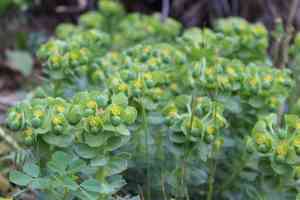
The optimal period for relocating myrtle spurge is during the early or mid-spring, as this provides consistent, moderate temperatures conducive to strong root development. Choose a location bathed in sunlight with soil that drains effectively, then carefully place myrtle spurge in its new spot, considering its specific growth habits.
What Preparations are Needed Before Transplanting Myrtle Spurge?
What is the Ideal Time for Transplanting Myrtle Spurge?
The best time to move myrtle spurge is at the beginning of spring. This period offers mild weather, which aids root development without the stress of extreme temperatures. Moving myrtle spurge during this revitalizing season encourages robust growth, benefiting from the soil's natural moisture and increasing daylight. Such a relocation ensures a strong foundation for the coming seasons, setting myrtle spurge up for success.
How Much Space Should You Leave Between Myrtle Spurge Plants?
When planting myrtle spurge, you should provide ample room for each plant to expand. Ideally, position them approximately 2-3 feet (60-90 cm) apart. This guarantees sufficient area for them to spread without becoming overcrowded. Remember, a bit of breathing room significantly contributes to your plants' flourishing.
What is the Best Soil Mix for Myrtle Spurge Transplanting?
Myrtle spurge thrives in soil that drains well; enrich it with organic compost or a foundational fertilizer. This enhances the soil's nutrient content and helps the plant establish its root system quickly. A slow-release granular fertilizer is recommended for new gardeners as it minimizes the risk of excessive fertilization.
Where Should You Relocate Your Myrtle Spurge?
Select a sunny location for moving your myrtle spurge. They prefer sunlight and will perform best in a spot receiving at least 6 hours of sun daily. However, they also tolerate partial shade. Just ensure they receive adequate sunlight for healthy development.
What Equipments Should You Prepare Before Transplantation Myrtle Spurge?
Gardening Gloves
To safeguard your hands while working with soil and handling myrtle spurge, which is a toxic plant if ingested or touched.
Shovel or Spade
To excavate the plant from its original spot without harming its root structure.
Trowel
For precise digging when moving myrtle spurge to its new site.
Garden Fork
To loosen the earth at the new transplant location.
Watering Can or Hose
To hydrate the myrtle spurge both prior to and following its relocation.
Mulch
To assist in regulating soil temperature and retaining moisture around the newly transplanted myrtle spurge.
How Do You Remove Myrtle Spurge from the Soil?
How Do You Remove Myrtle Spurge from the Soil?
From Ground: First, put on your gardening gloves for protection. Then, water the myrtle spurge plant to make the soil easier to dig. Once dampened, dig around the plant using a spade or shovel. Ensure to dig deep enough so that most of the plant's root system remains undisturbed. Once you have dug a trench surrounding the plant, you can carefully begin to lift it from the soil. Be gentle to minimize damage to the plant.From Pot: Start by watering the myrtle spurge plant. Then, tip the pot slightly sideways and tap it softly to loosen the soil. In most cases, the plant should slip out fairly easily. If it doesn't, you may need to carefully use a trowel to help remove it.From Seedling Tray: Gently hold the myrtle spurge seedling by its leaves, not the stem, and use a spoon or small tool to scoop out the seedling along with its root ball. Keep the root disturbance as minimal as possible.
Step-by-Step Guide for Transplanting Myrtle Spurge
Preparation
Select a new location suitable for myrtle spurge. Ensure it hasn't been covered in prior sections. Loosen the soil with a garden fork.
Planting
Using a trowel, create a hole in the center large enough to accommodate the myrtle spurge's root ball. Ensure the hole's depth allows the plant to sit at the same soil level as its original position.
Placement
Carefully position the myrtle spurge plant in the hole, gently spreading its roots. Backfill the hole with soil, lightly firming it as you go to eliminate any air pockets.
Watering
Water the plant immediately after transplanting to help it settle. It's vital to ensure water reaches the root zone.
Mulching
Apply a layer of mulch around the plant's base. This aids in moisture retention and soil temperature regulation.
How Do You Care For Myrtle Spurge After Transplanting?
Watering
Water myrtle spurge consistently after transplanting, especially during the initial weeks. The soil should not completely dry out, but avoid waterlogging it.
Monitoring
Watch for any indications of transplant shock, which might appear as wilting foliage or a lack of new growth. Persistent wilting could mean the plant isn't recovering from the shock; consult your local garden center if necessary.
Pruning
Refrain from any significant pruning immediately after transplanting. Allow myrtle spurge some time to establish itself in the new spot before pruning for shape or size.
Safety
Myrtle spurge is toxic and can cause skin irritation upon contact. Always ensure to wear gloves when handling and keep it away from children and pets.
Troubleshooting Common Issues with Myrtle Spurge Transplantation.
When is the best time to transplant myrtle spurge?
The optimal time to transplant myrtle spurge is during the S1-S2 season. This period provides the most conducive environment for the plant's growth.
What is the appropriate spacing for myrtle spurge during transplantation?
For a healthy growth, myrtle spurge should be transplanted with a space of about 2-3 feet (about 60-90 cm) apart. This spacing allows adequate sunlight and air circulation.
How deep should the hole be when transplanting myrtle spurge?
When making a hole for myrtle spurge, ensure it's twice the width and the same depth as the root ball. This helps the roots to spread out comfortably.
What soil conditions are best for transplanting myrtle spurge?
Myrtle spurge prefers well-drained soil. You can improve drainage by adding organic matter like compost or peat moss to your garden soil before transplanting.
How often should I water myrtle spurge after transplanting?
Immediately after transplanting, water myrtle spurge deeply. Thereafter, water moderately. Overwatering can lead to root rot, while underwatering may cause wilting.
How much sunlight does myrtle spurge need after transplanting?
Myrtle spurge performs best in full sunlight to partial shade. Ensure the location you choose for transplanting gets at least 6 hours of sunlight daily.
Why are the leaves of my transplanted myrtle spurge wilting?
Wilting after transplanting might occur due to shock. Water the myrtle spurge properly and ensure it's not exposed to harsh weather conditions. It should recover with time.
What should I do if the transplanted myrtle spurge is not growing?
First, check whether myrtle spurge is receiving appropriate amount of sunlight, water, and nutrients. If all these are okay, consider consulting a gardening expert.
Can I use a fertilizer immediately after transplanting myrtle spurge?
It's better to wait a few weeks after transplanting myrtle spurge before you fertilize. This gives it time to adjust and grow new roots in the fresh soil.
What do yellow leaves indicate in a recently transplanted myrtle spurge?
Yellow leaves may indicate either over-watering or under-watering. Make sure myrtle spurge gets the right amount of water. Also, check for signs of disease or pests.



