How to Transplant African bush daisy?
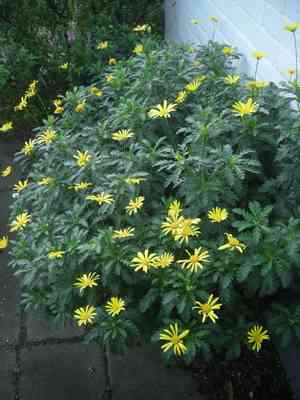
The most suitable period for relocating african bush daisy is from late spring through late summer, or from late autumn to mid-winter, as this encourages peak development. Select a bright spot with soil that drains effectively, and exercise caution when manipulating its root system. Enjoy your transplanting!
Essential Preparations Before Relocating African Bush Daisy
Optimal Period for Transplanting African Bush Daisy
Consider moving african bush daisy from late spring, when blooms are abundant, through late summer, or from the cool autumn period until the quiet of winter. These times offer african bush daisy the best conditions for root establishment. You'll be rewarded with robust growth and a spectacular floral display, making your gardening efforts worthwhile. Remember, successful african bush daisy transplantation requires time and patience.
Recommended Spacing Between African Bush Daisy Plants
When transplanting african bush daisy, aim for a separation of 24-36 inches (61-91cm) between each plant. This ensures ample room for their development and flourishing!
Ideal Soil Mixture for African Bush Daisy Transplantation
To prepare the soil for african bush daisy, select a well-draining soil mix and enrich it with a balanced, slow-release fertilizer. This will create an optimal environment for african bush daisy to establish its root system.
Choosing a New Location for Your African Bush Daisy
For optimal outcomes, transplant african bush daisy to a spot that receives full sun or partial shade. The more sunlight they receive, the more vibrant their blossoms will be. Happy planting!
Equipment Needed Before Transplanting African Bush Daisy
Gardening Gloves
To safeguard your hands while handling soil and plants.
Shovel or Spade
For excavating a hole at the new planting site and assisting in the removal of the plant from its original spot.
Trowel
For more precise digging and adjusting the size of the planting hole.
Watering Can or Hose
To hydrate the plant before and after its relocation.
Stakes and Ties
To offer support for african bush daisy during its initial establishment phase if necessary.
Method for Removing African Bush Daisy from the Soil
Method for Removing African Bush Daisy from the Soil?
From Ground: First, moisten the african bush daisy plant to soften the soil. Then, using a shovel or spade, dig a wide trench around the plant, ensuring the root ball remains intact. Carefully work the spade beneath the root ball to lift the plant from its initial position.From Pot: Water the potted african bush daisy to help detach the soil from the pot's edges. Invert the pot while supporting the plant with your other hand. Gently tap the pot's sides to encourage the plant and root ball to slide out.From Seedling Tray: After watering, use a trowel or your fingers to carefully extract the african bush daisy seedling from its cell. Be gentle to prevent root damage.
Detailed Steps for Transplanting African Bush Daisy
Preparation
Ensure all necessary tools and equipment are ready before beginning (as listed in the transplanting_tools section).
Digging the hole
Use a shovel or spade to excavate a hole at the new planting site that is twice the width of african bush daisy's root ball and slightly deeper.
Prepare the hole
Form a small soil mound in the center of the hole to help support the plant and ensure the top of the root ball is level with the ground.
Plant placement
Gently position african bush daisy and its root ball into the hole, adjusting the mound height as needed to ensure roots are well-covered and the plant is level with the ground.
Filling the hole
Use your shovel to backfill the hole with soil, gently firming it with your hands to eliminate air pockets around the roots.
Watering
Once african bush daisy is planted, thoroughly water the area to help settle the soil around the roots and provide initial hydration.
Add support (if needed)
If african bush daisy requires additional support, insert stakes into the ground near the plant and secure it with ties, being careful not to constrict the stems.
Post-Transplantation Care for African Bush Daisy
Watering
Keep the soil around the african bush daisy consistently moist, but not waterlogged, for the initial weeks after transplanting to aid in strong root establishment.
Pruning
Remove any damaged or dead foliage from the african bush daisy to encourage new growth.
Monitoring
Closely observe african bush daisy's overall health, looking for indications of disease or pest infestation. If any issues arise, address them promptly to ensure a successful transplant.
Pest Control
Watch for common pests and implement appropriate control measures as necessary.
Mulching
Applying a layer of organic mulch around the african bush daisy can help retain moisture, enhance soil health, and suppress weed growth.
Resolving Common Issues with African Bush Daisy Transplantation
When is the most appropriate time to transplant african bush daisy?
The ideal period to transplant african bush daisy is from late spring to late summer or from late autumn to mid-winter.
What distance should I maintain between each african bush daisy during transplanting?
For healthy growth, ensure a spacing of 24-36 inches (approximately 60-90 cm) between each african bush daisy when transplanting.
Why is my transplanted african bush daisy shedding leaves?
Transplant shock could be the cause. Ensure african bush daisy is transplanted gently to minimize root disturbance, keeping the root ball intact.
What should I do if african bush daisy doesn't bloom after transplantation?
First, confirm it's planted in a sunny location as african bush daisy requires ample sunlight. Second, review your fertilizing and watering routine, adjusting as needed.
How to prepare the soil before transplanting african bush daisy?
Loosen the soil and incorporate compost or well-rotted manure to boost its fertility. The plant prefers well-draining soil, so ensure it's not waterlogged.
How much water does a newly transplanted african bush daisy require?
Water it thoroughly immediately after transplanting. Afterward, keep the soil consistently moist but not saturated. Adjust based on climate and season.
What is the ideal container size for transplanting african bush daisy?
Select a container that is at least double the size of the root ball to allow sufficient room for growth.
Can african bush daisy experience transplant shock? How to alleviate it?
Yes, like any plant, african bush daisy can suffer from transplant shock. Maintain consistent watering, avoid initial fertilization, and protect the plant from strong winds or intense sunlight.
How deep should the hole be for transplanting african bush daisy?
The hole's depth should be roughly equivalent to the height of the root ball or the pot it's currently growing in.
How to care for african bush daisy after transplanting?
Regularly monitor moisture levels, ensuring it's neither too dry nor too soggy. Prune any dead or yellow leaves. Initial fertilizer application can be delayed until new growth emerges.



