How to Transplant Blindness tree?
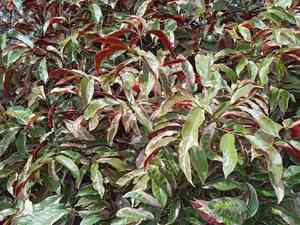
For blindness tree, the spring rejuvenation phase is ideal for relocation, since roots anchor most effectively in temperate conditions. Select a location offering partial shade and soil that drains efficiently. Careful handling of the root system encourages superior adaptation.
What Preparations are Needed Before Transplanting Blindness Tree?
What is the Ideal Time for Transplanting Blindness Tree?
The perfect time for relocating blindness tree is when spring's warmth permeates the earth, signaling a period of active growth. This season's mild temperatures and increased daylight promote strong root development in blindness tree, ensuring a vigorous beginning. Placing blindness tree in its new spot during this time aids establishment before the rigors of summer heat or winter cold. When you move blindness tree in spring, you're allowing it to flourish in a season of renewal, aligning with nature's patterns for growth and revitalization.
How Much Space Should You Leave Between Blindness Tree Plants?
When planting your blindness tree, it requires ample room to expand. A spacing of 3-5 feet (0.9-1.5 meters) between each plant is considered optimal for proper growth. Ensure sufficient space for each individual to develop.
What is the Best Soil Mix for Blindness Tree Transplanting?
The blindness tree thrives in well-drained soil, ideally a sandy-loamy type. Prior to planting, enrich the soil with a balanced foundational fertilizer. This will provide your plants with a beneficial nutrient boost, aiding their establishment.
Where Should You Relocate Your Blindness Tree?
Select a site where your blindness tree receives adequate but not excessive sunlight. Partial shade to dappled sunlight throughout the day would be an ideal planting location. Remember, too much direct sun might scorch the foliage.
What Equipments Should You Prepare Before Transplantation Blindness Tree?
Gardening Gloves
To safeguard your hands from dirt, sharp implements, and the plant during transplanting procedures.
Spade or Shovel
This tool is for excavating the blindness tree from its original spot without harming the root system.
Pruning Scissors
These can be utilized to trim any damaged roots or superfluous branches during the relocation process.
Garden Cart or Wheelbarrow
To effortlessly move the blindness tree from its initial position to the new planting site without incurring damage.
Watering Can
For promptly hydrating the newly transplanted plant.
Mulch
Assists in retaining soil moisture after the transplant.
How Do You Remove Blindness Tree from the Soil?
How Do You Remove Blindness Tree from the Soil?
From Ground: Start by watering the blindness tree plant to moisten the earth. Use a spade to dig a circular trench around the plant, being careful not to disturb the root ball. Gently work the spade beneath the root ball to lift the plant from its original spot.From a Pot: Water the blindness tree to facilitate its removal. Carefully invert the pot while gently pulling the plant from its base. Be patient and avoid excessive pulling to protect the root ball.From a Seedling Tray: Water the seedlings, then delicately extract the blindness tree plant from the tray. Always handle seedlings by a leaf, not by the stem or roots, as they are easily damaged.
Step-by-Step Guide for Transplanting Blindness Tree
Prep the New Location
Prepare the new site by clearing any weeds or unwanted materials and digging a hole twice the size of the root ball.
Transportation
Carefully place the blindness tree plant into a garden cart or wheelbarrow for transfer to the new location. It's crucial to prevent any damage during transit.
Planting
Position the blindness tree plant in the hole. Ensure the planting depth matches its original location. Backfill the hole with the excavated soil, gently firming it around the base.
Watering
Water generously after planting; this helps settle the soil and minimize transplant shock.
Adding Mulch
Spread a layer of mulch around the plant, but not touching the stem, to conserve moisture and suppress weeds.
How Do You Care For Blindness Tree After Transplanting?
Watering
Maintain consistent soil moisture levels for the initial weeks post-transplant to encourage root establishment. Avoid overwatering, as this can lead to root rot.
Pruning
It's advisable to prune back the blindness tree plant after transplanting to reduce water loss through transpiration. This will also stimulate new growth.
Protection
Shield the newly transplanted blindness tree from harsh weather conditions, pests, or wildlife that might cause harm. Use covers or shades if necessary.
Monitor Growth
Observe the plant's development. Any indications of stress, such as wilting or discoloration, may suggest the plant is not adapting well to its new environment, and you might need to adjust its care.
Troubleshooting Common Issues with Blindness Tree Transplantation.
What is the best season to transplant blindness tree?
The optimal period for relocating blindness tree is during the early to mid-growing season, specifically between early spring and mid-summer.
How much space should I leave between each blindness tree during transplantation?
When replanting blindness tree, it's best to maintain at least 3-5 feet (approximately 1-1.5 meters) of distance between each for healthy development.
How deep should I plant blindness tree?
When transplanting blindness tree, the hole should be sufficiently wide and deep to comfortably accommodate the plant's root ball. There's no need to go much deeper than that.
Should the soil be well-draining when transplanting blindness tree?
Absolutely! Blindness tree thrives in well-draining soil. Poorly draining soil could result in waterlogging, which could in turn harm the roots.
Should I consider the amount of sunlight when transplanting blindness tree?
Yes, blindness tree requires a good amount of sunlight to flourish. Position the transplanted plant in an area that receives a fair amount of daily sun exposure.
What should I do if the leaves of my transplanted blindness tree start to wilt?
Don't be alarmed! Some wilting after transplant is normal for blindness tree. Providing a balanced amount of water and protecting it from strong direct sunlight should aid its recovery.
How much water does blindness tree require post-transplant?
Blindness tree prefers a moderate watering regimen. Keep the soil consistently moist, but not saturated. Overwatering could lead to root rot.
Does blindness tree need fertilizer right after transplanting?
Fertilizer is not immediately necessary after transplanting. After a few weeks, once blindness tree has settled, a slow-release fertilizer will help encourage vigorous growth.
What if blindness tree doesn't show new growth after transplanting?
Blindness tree might take several weeks to exhibit new growth as it's allocating energy to establish roots. Allow it time, proper watering, and sunlight.
Should I prune blindness tree after transplanting?
Pruning is not required immediately after transplanting. Wait until the plant recovers from transplant stress, then prune for shape and health as needed.



