How to Transplant Leopard plant?
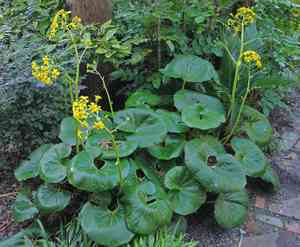
Your beautiful leopard plant flourishes when relocated in the pleasant period of late spring and early summer. It favors dappled to complete shade, making site selection vital. Bear in mind, a delicate approach and adequately draining soil are paramount for robust development.
What Preparations are Needed Before Transplanting Leopard Plant?
What is the Ideal Time for Transplanting Leopard Plant?
The best time to move leopard plant is from spring's bloom into early summer's warmth. This period allows leopard plant to establish strong roots before summer's peak. Placing leopard plant in its new spot then ensures it's well-prepared for the upcoming growth season. This helpful advice will lead to a flourishing leopard plant by providing it with optimal conditions!
How Much Space Should You Leave Between Leopard Plant Plants?
For leopard plant to grow optimally, space them approximately 18-24 inches (45-61 cm) apart when transplanting. This provides ample room for development without crowding, ensuring their health and vigor.
What is the Best Soil Mix for Leopard Plant Transplanting?
When preparing soil for your leopard plant, ensure it drains well and is rich in organic material. Incorporating compost or aged manure will supply a good nutrient base. A balanced slow-release fertilizer can also be added during soil preparation to encourage robust growth.
Where Should You Relocate Your Leopard Plant?
To provide leopard plant with ideal conditions, select a spot that receives partial shade or filtered sunlight. They can handle some morning or late afternoon sun, but avoid areas with intense midday sun to prevent leaf scorch and plant damage.
What Equipments Should You Prepare Before Transplantation Leopard Plant?
Gardening Gloves
To safeguard your hands while handling soil and leopard plant.
Shovel or Spading Fork
A crucial tool for digging up leopard plant from its original location and preparing the new planting site.
Garden Cart or Wheelbarrow
For moving the leopard plant from one spot to another.
Watering Can or Hose
Needed to hydrate the plant before, during, and after transplantation.
Mulch
Helps maintain soil moisture and inhibit weed growth.
How Do You Remove Leopard Plant from the Soil?
How Do You Remove Leopard Plant from the Soil?
From Ground: Start by thoroughly watering leopard plant to moisten its root ball. Then, carefully dig using a spade or shovel to keep the root ball intact. Be careful not to harm the plant as you lift it from the soil.From Pot: If leopard plant is in a pot, gently tip it sideways, supporting the plant's stem with your hand, and tap the pot's bottom to loosen the root ball. Do this carefully to avoid root damage.From Seedling Tray: To remove leopard plant from a seedling tray, simply invert the tray while holding your other hand over the soil. Gently shake the tray until the seedlings release.
Step-by-Step Guide for Transplanting Leopard Plant
Preparation
Begin by properly watering the new site and digging a hole large enough to accommodate leopard plant's root ball.
Insertion
Place leopard plant in the hole, ensuring the top of the root ball is level with the surrounding ground. Backfill the hole with the removed soil, gently firming it as you go.
Watering
Once leopard plant is positioned, water it thoroughly. This aids in plant adaptation and soil settling.
Mulching
Cover the surrounding soil with mulch to retain moisture and prevent weed growth.
How Do You Care For Leopard Plant After Transplanting?
Monitoring
Watch for signs of stress in leopard plant. Yellowing or wilting leaves may indicate poor adjustment to its new location. Frequent monitoring is vital initially until the plant establishes itself.
Temperature control
Protect the plant from extreme temperatures for one to two weeks post-transplantation.
Watering
Water leopard plant frequently for the initial 2 weeks, then revert to its regular watering schedule.
Troubleshooting Common Issues with Leopard Plant Transplantation.
When is the best time to transplant leopard plant?
Late spring and early summer are ideal for transplanting leopard plant. These temperatures are perfect for healthy root development.
What spacing should I maintain while transplanting leopard plant?
Optimal spacing for leopard plant is approximately 18-24 inches (45.7-61 cm). This provides them with enough space to grow with adequate air circulation.
Why does my transplanted leopard plant wilt after transplantation?
Wilting after transplantation might be transplant shock. Ensure consistent watering and gradually introduce it to its new environment to minimize shock.
How often should I water the leopard plant after transplantation?
Water leopard plant deeply immediately after transplantation. For the first few weeks, maintain consistently moist soil without waterlogging it.
Should the leopard plant be fertilized after transplanting?
Yes. After a couple of weeks from transplanting, give leopard plant a balanced, slow-release fertiliser. This will help establish the plant.
Why does the leopard plant have yellow leaves after transplanting?
Yellow leaves could mean overwatering or inadequate sunlight. Verify you're giving proper water and sun exposure to leopard plant post transplantation.
What depth should the transplant hole be for leopard plant?
The transplant hole should ideally be twice the size of the root ball. This will ensure that leopard plant's roots spread out comfortably.
How can I encourage growth in my transplanted leopard plant?
Consistent watering, proper spacing, and regular fertilization promote healthy growth. Also, ensure leopard plant gets partial to full shade for optimal growth.
What if I see pests on my transplanted leopard plant?
If you observe pests, employ an eco-friendly pesticide solution. Keep the area around leopard plant clean to discourage pest infestations.
Are there specific soil requirements when transplanting leopard plant?
Leopard plant prefers well-drained soil that's rich in organic matter. Soil pH should be neutral or slightly acidic for ideal growth.



