How to Transplant Blue fescue?
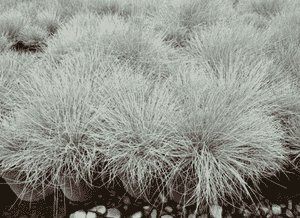
To ensure a thriving relocation of blue fescue, select the timeframe from early spring to late spring or mid-autumn to late autumn as the most suitable period. Opt for a site featuring adequately draining earth and ample sunlight. Bear in mind that a delicate approach during the transfer process aids in preserving robust root systems.
Preparations Required Before Relocating Blue Fescue
Optimal Timing for Blue Fescue Relocation?
For blue fescue, the ideal period for transplanting spans from early spring's emergence until its bloom, or from mid-autumn's color change to leaf fall. Moving blue fescue during these times promotes robust root development, allows ample recovery time before harsh weather, and maximizes the delightful silvery-blue foliage of this perennial. It essentially gives blue fescue a head start for its peak display. Imagine your garden adorned with a silver-blue carpet of blue fescue – truly captivating, isn't it? So, mark your calendars and ensure blue fescue gets the best possible beginning!
Recommended Spacing Between Blue Fescue Plants?
For blue fescue, it's best to give them ample room to expand. Aim for a distance of approximately 9-12 inches (23-30 cm) between plants when relocating. This guarantees sufficient space for them to flourish and spread out.
Best Soil Mixture for Blue Fescue Relocation?
Preparing the soil for blue fescue is straightforward. Choose well-draining soil with a pH level that is slightly acidic to neutral (6.0-7.0). To encourage healthy growth, incorporate some compost or a slow-release, balanced fertilizer before transplanting.
Where to Replant Your Blue Fescue?
Select a garden spot where blue fescue will receive full sun exposure or, at minimum, partial shade. This typically means getting 6-8 hours of sunlight daily. A sunny location will foster strong growth and vibrant foliage color.
Equipment Needed Before Transplanting Blue Fescue?
Gardening Gloves
To safeguard your hands while handling soil and plants.
Shovel or Spade
For excavating holes and lifting the plant with its root ball.
Garden Trowel
For moving seedlings and working with soil in confined areas.
Pruning Shears
To trim any damaged or dead foliage from the plant.
Watering Can or Garden Hose
To hydrate the plant both before and after relocation.
Organic Compost or Fertilizer
To support the healthy growth and development of blue fescue's root system.
How to Extract Blue Fescue from the Soil?
How to Extract Blue Fescue from the Soil?
From Ground: First, moisten the blue fescue plant to dampen the soil. Then, dig a wide trench around the plant using a shovel or spade, ensuring the plant's root ball remains intact. Carefully work the spade beneath the root ball to lift the plant from its original spot.From Pot: Water the blue fescue's soil to facilitate removal. Invert the pot, tapping the bottom and rim as needed to release the plant along with its root ball. Be gentle and avoid damaging the roots during this process.From Seedling Tray: Dampen the soil around the seedling and use a garden trowel to gently lift the seedling without harming its delicate roots. Hold the blue fescue seedling by its leaves, rather than the stem, as you proceed.
Step-by-Step Guide for Relocating Blue Fescue
Excavate the Hole
In the chosen spot, dig a hole that is twice the width and equal depth of blue fescue's root ball or container.
Improve the Soil
Optionally, blend a small amount of compost or slow-release fertilizer into the soil at the base of the hole, providing nutrients and enhancing soil structure for the blue fescue's roots.
Position the Plant
Carefully place the blue fescue into the hole, keeping the root ball undisturbed. Ensure the plant sits at the same depth it was in its previous location, with the top of the root ball level with the ground.
Backfill the Hole
Refill the hole with the excavated soil, gently pressing the soil around the root ball to eliminate air pockets and secure the plant.
Water
Thoroughly water the blue fescue at its base, allowing the water to penetrate the root ball and surrounding soil.
Mulch
Apply a layer of organic mulch around the plant's base to help retain moisture and suppress weeds.
Post-Transplant Care for Blue Fescue
Watering
For the initial weeks after transplanting, keep the soil consistently moist, but not waterlogged, to aid blue fescue in establishing strong roots. Gradually reduce watering frequency as the plant settles in.
Pruning
Regularly trim away dead or damaged foliage to encourage new growth and maintain blue fescue's overall health and appearance.
Feeding
Apply a slow-release fertilizer or compost to supply essential nutrients for blue fescue's development. Adhere to the manufacturer's guidelines for frequency and application rate.
Pest and Disease Control
Monitor blue fescue for indications of pests or diseases, and treat promptly if necessary, utilizing appropriate organic or chemical solutions as required.
Resolving Common Issues with Blue Fescue Transplantation.
When is the best time to transplant blue fescue?
The optimal period for transplanting blue fescue is from early to late spring and mid to late fall. This allows your plant to establish itself before extreme weather conditions.
How should I arrange blue fescue in my garden during transplantation?
For ideal growth, ensure each blue fescue is spaced approximately 9-12 inches (23-30 cm) apart. This spacing promotes healthy development and prevents overcrowding.
Is it essential to water blue fescue immediately after transplanting?
Yes, it's crucial to water blue fescue right after transplanting. This helps the root system settle into the new environment and minimizes transplant shock.
What type of soil is most suitable for transplanting blue fescue?
Blue fescue thrives in well-drained soil with a neutral to slightly alkaline pH. If your soil doesn't naturally meet this, consider amending it with compost or sand to achieve the desired texture.
How deep should I plant blue fescue when I'm transplanting?
The planting depth for blue fescue should match its original growing conditions. Planting too deep or too shallow can harm the root system and impede growth.
How should I prepare blue fescue for the transplanting process?
Before transplanting, thoroughly water blue fescue to make the extraction process less stressful. Ensure you maintain a substantial clump of soil around the roots during the move.
Why are my transplanted blue fescue turning brown?
Browning might indicate transplant shock or insufficient water. Ensure your blue fescue receives adequate water and is protected from extreme weather.
Why are my freshly transplanted blue fescue wilting?
Wilting can signal a watering issue or transplant shock. Ensure consistent watering after transplanting. If the problem persists, consider adding organic matter to improve soil water retention.
How can I prevent root damage while transplanting blue fescue?
To prevent root damage during transplanting, ensure blue fescue has been watered beforehand. Use a gardening shovel or spade, taking care to retain a soil clump around the roots.
Should I fertilize blue fescue following transplantation?
Fertilizing immediately after transplanting might not be necessary as it can cause stress. However, after a few weeks, you might use a slow-release fertilizer to provide nutrients for blue fescue's growth.



