How to Transplant Indian Laurel?
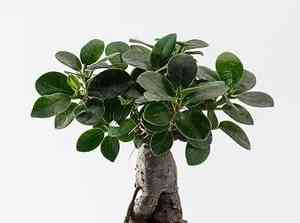
The most suitable period for relocating indian Laurel is between mid-spring and late spring, or mid-autumn and late autumn, as moderate temperatures facilitate robust root establishment. Select a site with good drainage and ample sunlight. During the transplanting process, guarantee sufficient support for the root ball to ensure a smooth adaptation.
Essential Preparations Before Relocating Indian Laurel
Optimal Period for Relocating Indian Laurel
The best time for moving indian Laurel is from mid to late spring or mid to late autumn. This timeframe allows indian Laurel to develop robust roots prior to extreme temperatures. Planting during these periods promotes excellent growth, enhanced resilience, and reduced stress.
Required Spacing Between Indian Laurel Specimens
For indian Laurel, it's advisable to position them 20-40 feet (6-12 meters) apart. This ensures ample space for root and branch development, allowing them to flourish in your garden!
Ideal Soil Blend for Indian Laurel Relocation
When relocating indian Laurel, opt for a well-draining soil mixture such as sandy loam and incorporate some organic compost to stimulate initial growth. We suggest a balanced slow-release granular fertilizer, like 14-14-14, to provide your plants with a solid nutritional base!
Choosing a New Site for Your Indian Laurel
Select a spot for indian Laurel that receives abundant sunlight throughout the day, yet also offers some afternoon shade. These optimal sun conditions help indian Laurel grow robust and healthy!
Equipment Needed Before Transplanting Indian Laurel
Gardening Gloves
To safeguard your hands while handling soil and the indian Laurel plant.
Shovel or Spade
For excavating and extracting the plant from its initial spot and preparing the new planting site.
Gardening Trowel
For relocating smaller indian Laurel plants and young sprouts.
Pruning Shears
For trimming any damaged roots or branches.
Watering Can or Hose
To hydrate the plant before and after its relocation.
Wheelbarrow
For transporting the indian Laurel plant, if it is large and heavy.
Measuring Tape
To ensure proper spacing between indian Laurel plants.
Method for Extracting Indian Laurel from the Ground
Method for Extracting Indian Laurel from the Ground
- From Ground:First, moisten the indian Laurel plant to dampen the soil. Next, dig a wide trench around the plant using a shovel or spade, ensuring the plant's root ball remains intact. Carefully work the spade beneath the root ball to lift the plant from its original position.- From Pot:Hydrate the indian Laurel plant to soften the soil, then gently tap the pot's sides to loosen the root ball. Carefully invert the pot and catch the plant and its root ball as it slides out.- From Seedling Tray:Utilize a gardening trowel to carefully remove each indian Laurel seedling from its cell. Hold the seedling by its leaves, not the stem, during relocation to prevent harm.
Step-by-Step Guide for Relocating Indian Laurel
Excavating the Hole
Dig a hole that is three times the width and equal to the depth of the indian Laurel plant's root ball. Avoid making the hole too deep, as the plant might settle too low in the soil.
Preparing the Site
Loosen the soil at the base of the hole to enhance drainage and encourage root development. You may incorporate compost or organic matter to improve soil quality, if necessary.
Readying the Root Ball
Gently loosen the roots of the indian Laurel plant using your hands or a trowel, and trim any damaged roots with pruning shears.
Positioning the Plant
Place the indian Laurel plant in the hole, ensuring the top of the root ball is level with the surrounding soil. Avoid burying the plant too deeply, and confirm it is standing upright.
Backfilling the Hole
Fill the hole with soil, gently tamping it down around the plant's root ball to ensure good contact and eliminate any air pockets.
Watering
Slowly water the indian Laurel plant after relocation, ensuring the soil settles properly around the root ball.
Mulching
Apply 2-3 inches of mulch around the base of the indian Laurel plant to help retain moisture and suppress weed growth, but leave a small gap around the trunk to prevent rot.
Post-Transplant Care for Indian Laurel
Watering
Regularly water the indian Laurel plant during its initial weeks, maintaining consistent soil moisture but avoiding overwatering.
Pruning
Trim any damaged or dead branches after relocation to promote healthy growth. Regularly inspect the indian Laurel plant for signs of pests or diseases and address them promptly.
Fertilizing
Wait 4-6 weeks after relocation before applying a balanced fertilizer to the indian Laurel plant, adhering to the recommended application rates.
Monitoring
Keep a close watch on the indian Laurel plant's health and growth progress, adjusting its care as needed, considering factors like changing seasons and weather conditions.
Addressing Common Issues During Indian Laurel Transplantation.
When is the optimal time to move indian Laurel?
Mid to late spring and mid to late fall are ideal periods for relocating indian Laurel.
What is the recommended distance between indian Laurel plants?
To ensure proper growth, maintain a separation of 20-40 feet (6-12 meters) between indian Laurel plants.
How deep should the hole be for transplanting indian Laurel?
Excavate a hole twice as wide and slightly deeper than the root ball of the indian Laurel plant.
What soil type does indian Laurel prefer for relocation?
Indian Laurel thrives in well-drained, fertile soil with a slightly acidic to neutral pH level.
How to prepare the root ball of indian Laurel before relocation?
Gently remove the plant from its container, loosen the roots, and place it in the prepared hole.
Should I add any soil amendments when relocating indian Laurel?
Incorporating organic matter like compost into the planting hole can enhance soil structure and provide nutrients.
How much water should be provided after transplanting indian Laurel?
Water thoroughly after relocation, ensuring the root zone is moistened, then maintain consistent, deep watering.
How long does it take for indian Laurel to establish after being moved?
Indian Laurel may take several weeks to a few months to establish itself, depending on climate and care.
Is support necessary for a newly relocated indian Laurel?
Staking or using a support system can help stabilize the plant until its roots are established.
How can I ensure a successful relocation of a mature indian Laurel?
For mature plants, carefully prune branches, maintain root ball integrity, and provide adequate aftercare to support recovery.



