How to Transplant Creeping fig?
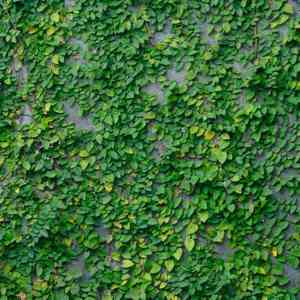
The ideal period for relocating creeping fig spans from the end of spring through the close of summer, as this allows it to most effectively adapt to its new environment. Select an area featuring soil that drains efficiently and offers either partial or complete shade. Confirm there is ample room for its robust expansion and contemplate installing a support structure if required.
What Preparations are Needed Before Transplanting Creeping Fig?
What is the Ideal Time for Transplanting Creeping Fig?
The best time to move creeping fig is from late spring through the end of summer. This period offers ideal environmental conditions that creeping fig thrives in. Relocating creeping fig at this time promotes strong development and vigor. Furthermore, creeping fig is likely to establish roots quickly and settle in well. Thus, your efforts will result in a lush, green display to please your eyes!
How Much Space Should You Leave Between Creeping Fig Plants?
When transplanting creeping fig, aim for a spacing of approximately 3-6 inches (7.5-15 cm) between them. This provides ample room for their growth and the spread of their attractive foliage.
What is the Best Soil Mix for Creeping Fig Transplanting?
Prepare a well-draining soil mixture rich in organic material for transplanting creeping fig. You might add a slow-release, balanced fertilizer to the base to ensure adequate nutrients for the plant.
Where Should You Relocate Your Creeping Fig?
Select a spot with bright, indirect sunlight or light shade for transplanting creeping fig. Avoid placing them in direct sun, as this can lead to sunburned leaves.
What Equipments Should You Prepare Before Transplantation Creeping Fig?
Gardening Gloves
To safeguard your hands while handling soil and plants.
Shovel or Spade
For excavating the plant from its initial spot and preparing the new planting hole.
Pruning Shears
To trim away any damaged or unhealthy roots or branches.
Watering Can or Garden Hose
To hydrate the plant before, during, and after its relocation.
Hand Trowel
To loosen and move soil, and to make minor adjustments to the planting site.
Organic Compost
To enrich the soil around the planting hole, encouraging robust root development.
Garden Stakes or Trellises
For supporting the growth and guiding the creeping fig vines.
How Do You Remove Creeping Fig from the Soil?
How Do You Remove Creeping Fig from the Soil?
From Ground: First, moisten the creeping fig plant to dampen the soil. Then, dig a wide trench around the plant using a shovel or spade, ensuring the plant's root ball remains intact. Carefully work the spade under the root ball to lift the plant from its original location.From Pot: Water the soil in the pot to loosen it up. Gently tap the sides of the pot to help dislodge the root ball. Hold the creeping fig plant at its base and carefully slide the root ball out of the pot.From Seedling Tray: Select a healthy creeping fig seedling to transplant. Gently loosen the soil around the seedling's roots with a hand trowel before lifting it out of the tray with your fingers.
Step-by-Step Guide for Transplanting Creeping Fig
Transplant Timing
Relocate creeping fig in the spring or early summer when the plant is actively growing.
Prepare Plant
Trim off any damaged or unhealthy roots and branches with pruning shears, and water the plant to help reduce transplant shock.
Preparation of Planting Hole
Dig a hole deep and wide enough to accommodate the root ball without crowding. Amend the soil with organic compost if needed.
Placing creeping fig
Position the plant in the hole so that the top of the root ball is level with the surrounding soil. Spread out the roots to encourage outward growth.
Secure Support
Install garden stakes or trellises near the plant for it to cling to and climb as it grows.
Backfill the Hole
Backfill the hole with soil, gently pressing it down to remove any air pockets while being sure not to bury the plant too deeply.
Watering
Water the creeping fig thoroughly after transplanting to settle the soil and establish good contact between the roots and the soil.
How Do You Care For Creeping Fig After Transplanting?
Watering
Maintain consistent moisture, but not soggy soil for the first few weeks after transplanting to help establish strong roots.
Mulching
Apply a layer of organic mulch around the base of the plant to help retain moisture and suppress weeds.
Growth Monitoring
Keep an eye on the plant's growth and train the vines along the support structure to encourage a strong framework.
Pruning
Regularly trim off any dead or damaged leaves and branches to maintain the health and appearance of the plant.
Pest and Disease Control
Monitor the plant for any signs of pests or diseases and treat promptly with organic or chemical controls as needed.
Troubleshooting Common Issues with Creeping Fig Transplantation.
What is the best time of the year to transplant creeping fig?
The ideal timing to reposition creeping fig is between late spring and late summer. This is when the plant's growth cycle is at its peak.
How much space should be between each creeping fig when transplanting?
When transplanting creeping fig, reserve space of about 3-6 inches (7.6-15 cm) between each plant. This ensures each plant has room to spread and grow.
Does creeping fig require any special soil for effective transplanting?
Creeping fig isn't fussy about soil, but well-draining, fertile soil would improve its growth. Adding organic matter or compost to the transplant site is beneficial.
How deep should I plant creeping fig during transplanting?
Dig a hole that's roughly the same depth as the root ball of the creeping fig. This ensures the plant doesn't sit too high or too low in the soil.
What level of sunlight does creeping fig require post-transplantation?
Creeping fig prefers a spot with partial to full shade. However, it can tolerate full sunlight. Just ensure it's not spent much time in intense heat immediately after moving.
How frequently should I water newly transplanted creeping fig?
Water creeping fig thoroughly after transplanting, then keep the soil consistently moist. Over-watering or under-watering can stress the plant, especially during the first few weeks.
What can I do if my transplanted creeping fig shows signs of wilting?
Wilting post-transplant is normal as creeping fig adapts to its new environment. Keep soil conditions optimal and reduce direct sunlight if wilting persists.
What should I do if my moved creeping fig starts turning yellow?
This could be a sign of water or light stress. Maintain moderate watering and monitor sunlight exposure. If needed, transfer creeping fig to a less intense sunlight area.
Can I use fertilizers immediately after transplanting creeping fig?
It's best to wait a few weeks before applying fertilizer, allowing creeping fig to settle. Once established, a balanced, slow-release fertilizer would enhance growth.
How do I handle creeping fig during the transplanting process to avoid damage?
Always handle creeping fig softly, keeping most of the original rootball undamaged. Avoid pulling or breaking roots and be gentle when positioning the plant in its new location.



