How to Transplant Chinese parasol tree?
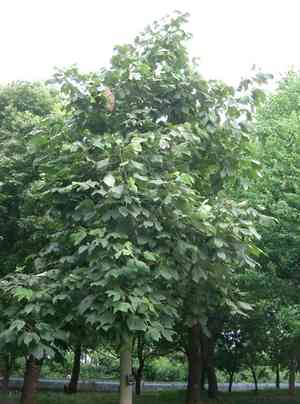
For chinese parasol tree, the ideal period for relocation is throughout the balmy, initial to mid-summer season, fostering robust root development. Select a bright spot featuring soil that drains effectively. During the transplanting process, preserve the soil's integrity to minimize stress from the move.
What Preparations are Needed Before Transplanting Chinese Parasol Tree?
What is the Ideal Time for Transplanting Chinese Parasol Tree?
The optimal period for moving chinese parasol tree is from late spring to early summer. This timeframe allows the plant to establish its root system prior to winter dormancy. Relocating chinese parasol tree during this season leverages its growth momentum, ensuring smooth adaptation to its new setting. Furthermore, warm soil and moderate temperatures encourage robust root development. Entrust chinese parasol tree to the earth's nurturing embrace during this window for a strong beginning!
How Much Space Should You Leave Between Chinese Parasol Tree Plants?
First, ensure adequate spacing for chinese parasol tree when planning your garden layout. For optimal development, each chinese parasol tree should be planted approximately 8-10 feet (2.4-3.0 meters) apart. This provides sufficient room for each plant to spread and flourish.
What is the Best Soil Mix for Chinese Parasol Tree Transplanting?
Preparing the correct soil is crucial. Chinese parasol tree thrives in well-drained soil rich in organic matter. Before transplanting, amend the soil with well-rotted compost or a slow-release granular base fertilizer to enrich it. This will supply the necessary nutrients for healthy growth.
Where Should You Relocate Your Your Chinese Parasol Tree?
Finally, the proper location cannot be overlooked. Chinese parasol tree requires ample sunlight, so select a spot that receives full sun to light shade throughout the day. A location providing 6 to 8 hours of daily sunlight would be perfect.
What Equipments Should You Prepare Before Transplantation Chinese Parasol Tree?
Gardening Gloves
To safeguard your hands while handling soil and chinese parasol tree.
Shovel or Spade
To excavate chinese parasol tree from its original spot without harming its root ball.
Pruning Shears
To trim any damaged or excessively long roots from chinese parasol tree before relocation.
Gardening Fork
To loosen the soil at chinese parasol tree's new site before planting.
Bucket or Wheelbarrow
To transport chinese parasol tree from its initial position to the new spot.
Stakes and Twine
To offer support for chinese parasol tree after it has been moved, helping it remain upright.
How Do You Remove Chinese Parasol Tree from the Soil?
How Do You Remove Chinese Parasol Tree from the Soil?
From Ground: First, hydrate the chinese parasol tree plant to soften the earth. Then, using a spade, dig a wide circle around the plant, ensuring the root ball stays intact. Gently work the spade beneath the root ball. Carefully lift the plant from the soil, minimizing root damage.From Pot: Water the chinese parasol tree plant to moisten the soil. Turn the pot on its side, hold the plant gently by its base, and tap the bottom of the pot until the plant slides out. Be careful not to pull the plant directly as this could harm the root system.From Seedling Tray: Gently hold the chinese parasol tree seedling by its leaves, not the stem, and push up the base of the cell until the seedling emerges. Handle the delicate root ball with care to prevent damage.
Step-by-Step Guide for Transplanting Chinese Parasol Tree
Preparation
Submerge chinese parasol tree in a bucket of water until no more air bubbles surface. This ensures the root ball is thoroughly saturated.
Digging
Using a shovel or garden fork, excavate a hole at the new location, deep and wide enough to accommodate the root ball of chinese parasol tree.
Transplanting
Position chinese parasol tree in the hole, ensuring the top of the root ball is level with the surrounding ground. Backfill the hole gradually, firming the soil as you proceed.
Staking
If chinese parasol tree is tall or the site is windy, provide support with stakes and twine to help the plant remain stable.
Final Touch
Water chinese parasol tree thoroughly after transplanting, making sure the water reaches the root zone.
How Do You Care For Chinese Parasol Tree After Transplanting?
Frequent Checks
Observe chinese parasol tree for indications of stress, such as wilting or yellowing leaves, in the weeks following relocation. Take necessary actions if these symptoms appear.
Mulching
Apply a layer of organic mulch around the base of chinese parasol tree, but not touching its trunk. This will help retain moisture and suppress weed growth.
Proper Watering
Water chinese parasol tree adequately while preventing waterlogging. The goal is to maintain a balance of moisture and aeration for the roots.
Limited Fertilization
Apply a mild, slow-release fertilizer a few weeks after transplanting to encourage healthy growth, but avoid over-fertilizing, which could lead to unhealthy rapid growth and further transplant shock.
Pruning
Avoid extensive pruning immediately after transplanting. Only remove dead or diseased branches initially. Wait until the next season for significant pruning.
Troubleshooting Common Issues with Chinese Parasol Tree Transplantation.
What's the best time of year to transplant chinese parasol tree?
It's preferable to transplant chinese parasol tree during late fall to early winter; specifically, the ideal span is season 4 to 5 (S4-S5).
What spacing should I allow when planting chinese parasol tree?
You should plant chinese parasol tree a minimum of 8-10 feet (2.4-3 meters) apart. This ensures healthy growth as the tree matures.
What are the basic steps to transplant chinese parasol tree?
First, prepare a pit in the soil about twice as wide and the same depth as chinese parasol tree's root ball. Place chinese parasol tree in the pit, ensuring the top of the root ball is level with the ground. Cover with soil and water.
Does chinese parasol tree need any special soil preparation?
Chinese parasol tree prefers well-draining soil. It's advisable to amend the pit with compost or organic matter before planting for enhanced nutrition and better water retention.
How much should I water chinese parasol tree after transplanting?
After transplanting, water chinese parasol tree sufficiently to moisten the soil around the root ball. Afterward, maintain moderate watering, aiming for consistently moist but not waterlogged soil.
Should I stake chinese parasol tree after transplanting?
You don't necessarily need to stake chinese parasol tree unless it's particularly tall or if the location is prone to strong winds. This can help prevent uprooting or leaning.
What should I do if the new leaves of chinese parasol tree start to wilt after transplanting?
If new leaves of chinese parasol tree start to wilt, it may be due to transplant shock. Maintain appropriate watering, ensure proper sun exposure, and consider using a root stimulator for healthy growth.
Why is chinese parasol tree showing yellow leaves after transplanting?
Chinese parasol tree might show yellow leaves because of overwatering or poor drainage. Check the soil condition; if it's too soggy, reduce watering and ensure the soil drains well.
Can chinese parasol tree survive frosts soon after transplanting?
While chinese parasol tree is typically hardy, it might be more vulnerable to freezing weather soon after transplanting. Consider covering it with frost cloth during cold spells to protect its physiology.
How can I deal if chinese parasol tree's leaves appear burned after transplanting?
Burned leaves may indicate too much direct sun. Initially, providing chinese parasol tree with dappled sunshine or partial shade helps protect the tree, especially while it's still establishing.



