How to Transplant Nerve plant?
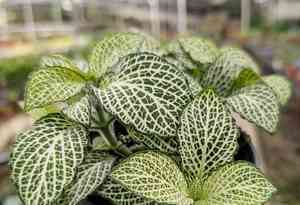
For a successful nerve plant relocation, select the ideal period from mid-spring to late spring, as temperatures are moderate and the earth is warm. Pick a spot offering abundant indirect illumination and soil that drains effectively, and adhere to transplanting advice when necessary to foster vigorous development.
Essential Preparations Before Relocating Nerve Plant
Optimal Timing for Nerve Plant Relocation
For nerve plant, the ideal period for transplanting occurs from mid to late spring. This season provides a gentle climate, perfect for nerve plant to acclimate and flourish. A helpful tip - transplanting during this window guarantees a stable growth path for nerve plant, leading to a beautiful, robust display. Remember, careful nurturing during this stage is crucial for successful transplantation!
Recommended Spacing Between Nerve Plant Specimens
When relocating your lovely nerve plant, maintain a distance of approximately 6-12 inches (15-30 cm) between each plant. This will provide ample room for their growth and development!
Ideal Soil Blend for Nerve Plant Transplanting
Prepare a well-draining, nutrient-rich, and consistently moist soil mixture for your nerve plant. Incorporate peat moss, perlite, and select a slow-release balanced fertilizer (such as 14-14-14) for the base.
Choosing a New Location for Your Nerve Plant
Select a spot that offers bright, indirect illumination or filtered shade for your nerve plant. Avoid direct sunlight as it can scorch their delicate foliage. A north or east-facing windowsill is perfect!
Equipment Needed Before Transplanting Nerve Plant
Gardening Gloves
To safeguard your hands while handling soil and the plant.
Shovel or Spade
To excavate the plant from its original position. Larger spades may be more suitable for ground-planted specimens, while smaller shovels are best for potted plants.
Pruning Shears
To trim any damaged roots of the nerve plant prior to transplantation.
Watering Can
To hydrate the plant immediately following transplantation.
Wheelbarrow (optional)
Useful for transporting the plant if it is large or if the new planting site is distant from the original location.
Garden Hose (optional)
If moving the nerve plant a significant distance, a garden hose could be used to moisten the earth, making it easier to extract and preventing root damage.
How to Extract Nerve Plant from its Growing Medium
How to Extract Nerve Plant from its Growing Medium
From Ground: First, water the nerve plant to moisten the soil. Then, dig a wide trench around the plant using a shovel or spade, ensuring the plant's root ball remains intact. Carefully work the spade beneath the root ball to lift the plant from its initial spot.From Pot: Water the nerve plant thoroughly in its pot before you plan to transplant it. Invert the pot and gently tap it - the plant should slide out while preserving the root ball's shape. If it doesn't, you might need to run a knife along the pot's edge.From Seedling Tray: Transplanting nerve plant from a seedling tray involves carefully removing the young plant from its cell while retaining as much of the root system and surrounding soil as possible. Water the tray well before beginning. Gently place a hand over the seedling, invert the tray, and release the seedling, placing it and its root ball immediately into a pre-prepared hole in the garden or container.
Detailed Steps for Transplanting Nerve Plant
Preparation
After removing nerve plant from its initial location, gently loosen the soil at the base and edges of the new planting hole. Position the root ball in the center of the hole.
Trimming
Use pruning shears to remove any damaged roots before placing the nerve plant into the planting hole.
Planting
Carefully place the nerve plant into the hole. Ensure the plant stands perfectly upright. Begin filling the hole with the surrounding soil, gently firming it as you go to ensure good contact with the roots.
Watering
Water thoroughly immediately after planting, saturating the entire root zone. This initial deep watering is crucial and should not be postponed.
Post-Transplant Care for Nerve Plant
Watering
Keep the soil around the nerve plant consistently damp, but not waterlogged, for the first few weeks after transplanting to aid in establishing strong roots.
Pruning
Remove any yellow or withered leaves and stems to encourage new growth and maintain the plant's health.
Monitoring
Watch for indications of transplant shock, such as leaf drop or wilting foliage. If observed, ensure the plant is adequately watered, but not over-watered, and consider relocating it to a more suitable spot if necessary.
Addressing Common Issues with Nerve Plant Transplantation.
When is the best time to transplant nerve plant?
The ideal period for transplanting nerve plant is during mid to late spring. The plant thrives in warmer conditions, making this an optimal time for propagation.
What is the ideal spacing between multiple nerve plant while transplanting?
Ensure a spacing of approximately 6-12 inches (15-30 cm) between each nerve plant. This provides them with sufficient sunlight and room to grow without competition.
Can I transplant nerve plant into any type of soil?
Nerve plant prefers well-draining, fertile soil. An ideal soil pH is 6.0 to 7.0. Your plant will not thrive in waterlogged soil as it may lead to root rot.
What size should the new pot be when transplanting nerve plant?
For nerve plant, select a new pot that is 2 inches (5 cm) larger in diameter than the previous one. It requires space to grow, but a pot that is too large can lead to overwatering.
How should I prepare the new pot before transplanting nerve plant?
Ensure the pot has adequate drainage holes. Fill with a high-quality potting soil mix. Slightly dampen the soil to help nerve plant adjust well to its new environment.
How to remove nerve plant safely from the old pot for transplanting?
Gently loosen the soil and slide the plant out, taking care not to pull or damage the roots. If nerve plant is stuck, carefully tap the pot's bottom.
How deep should I plant nerve plant in the new pot?
Plant nerve plant at the same depth it was in the previous pot. Planting too deep can cause stem rot, while too shallow can leave the roots exposed.
How should I take care of nerve plant after transplanting?
Initially, water nerve plant thoroughly and place it in a location with bright, indirect light. Remain vigilant for any signs of shock, such as wilting or yellowing leaves.
How often should I water the nerve plant after transplanting?
Wait until the top inch (2.5 cm) of soil begins to dry before watering nerve plant. Overwatering can lead to root rot, so ensure the pot has proper drainage.
What should I do if nerve plant seems stressed after transplanting?
If nerve plant exhibits signs of stress like wilting or leaf loss, first confirm that watering and light conditions are appropriate. If necessary, consider using a plant-friendly fertilizer.



