How to Transplant Carolina buckthorn?
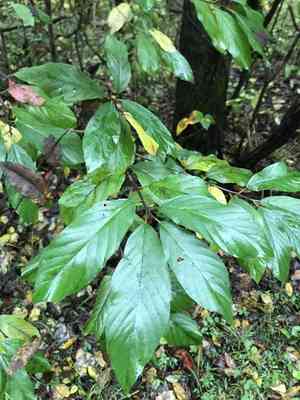
The ideal period for transplanting carolina buckthorn is throughout its winter dormancy, which encourages a more seamless adjustment. For best development after transplantation, place carolina buckthorn in soil that drains effectively and receives sufficient sunlight. If necessary, handle the root ball gently and keep it intact.
What Preparations are Needed Before Transplanting Carolina Buckthorn?
What is the Ideal Time for Transplanting Carolina Buckthorn?
The perfect time to move carolina buckthorn is during its dormant phase, typically in the colder months of winter. This timing allows carolina buckthorn to establish its root system in the new spot without the added stress of heat or active growth. By relocating carolina buckthorn when it's inactive, you provide it with the best start in its new environment, ensuring smooth adaptation and vigorous growth in spring.
How Much Space Should You Leave Between Carolina Buckthorn Plants?
Prepare for planting your carolina buckthorn! When planning your planting locations, aim for a spacing of approximately 15-20 feet (4.5-6 meters) between each plant. This will provide your carolina buckthorn ample room to expand and develop healthily.
What is the Best Soil Mix for Carolina Buckthorn Transplanting?
Carolina buckthorn thrives in well-drained, loamy or sandy soil, enriched with organic material. A good starting point is to incorporate compost or a balanced slow-release fertilizer. This foundation will support your carolina buckthorn's development.
Where Should You Relocate Your Carolina Buckthorn?
Selecting the correct site is vital. Your carolina buckthorn prefers partial to full sun, so a location with morning sun and afternoon shade would be optimal. Such light exposure aids photosynthesis and encourages healthy foliage.
What Equipments Should You Prepare Before Transplantation Carolina Buckthorn?
Shovel or Spade
For digging holes and trenches when preparing the transplant site.
Pruning Shears
To trim any unnecessary branches or leaves that could divert the carolina buckthorn plant's energy, helping it recover and flourish post-transplantation.
Gardening Gloves
To safeguard your hands while working with soil and plants.
Watering Can or Hose
To irrigate the carolina buckthorn after transplanting and help settle the soil.
Wheelbarrow
To move the carolina buckthorn plant from its original spot to the new transplant location.
Storage Container
If not transplanting immediately, you'll need a container to store the carolina buckthorn plant to prevent root desiccation.
How Do You Remove Carolina Buckthorn from the Soil?
How Do You Remove Carolina Buckthorn from the Soil?
From Ground: First, water the carolina buckthorn plant to moisten the soil around its roots. Next, dig a wide trench around the carolina buckthorn using a shovel, being careful not to harm the root ball. Gently work the shovel beneath the root ball, and carefully lift the plant from the ground.From Pot: Water the carolina buckthorn plant and turn the pot on its side. Tap the pot's edges to loosen the carolina buckthorn plant. Then, hold the plant by its base and gently wiggle it out of the pot.From Seedling Tray: Water the tray to dampen the soil. Then, use your fingers or a small tool to gently push the carolina buckthorn plant from beneath its cell while holding the plant's stem. Always handle the seedling by its leaves, not the stem.
Step-by-Step Guide for Transplanting Carolina Buckthorn
Inspect the carolina buckthorn
Before transplanting, examine the carolina buckthorn plant and remove any dead, diseased, or damaged parts using pruning shears.
Dig a Hole
Using a shovel, excavate a hole that is three times as wide and the same depth as the carolina buckthorn plant's root ball.
Prepare the carolina buckthorn
Position the carolina buckthorn plant in the center of the hole, ensuring the top of the root ball is level with the surrounding soil.
Backfill the Hole
Carefully refill the hole, making sure the carolina buckthorn plant is stable and upright.
Water the carolina buckthorn
Thoroughly water the carolina buckthorn plant, but avoid overwatering. The soil should settle around the plant's roots.
Monitor
Closely observe the carolina buckthorn plant in the days following to ensure it is responding well to the transplanting process.
How Do You Care For Carolina Buckthorn After Transplanting?
Watering
Ensure the soil around the carolina buckthorn plant stays moist, but not waterlogged, in the initial weeks after transplanting to establish strong root growth.
Trimming
Keep the carolina buckthorn plant well-trimmed of any overgrown branches or leaves; this allows the plant's energy to focus on establishing itself in the new location.
Mulching
Apply a layer of mulch around the carolina buckthorn plant to retain soil moisture and keep the root system cool.
Monitor
Regularly check the carolina buckthorn plant for any signs of stress or disease, especially during the first year after transplanting.
Troubleshooting Common Issues with Carolina Buckthorn Transplantation.
What time of the year is best for transplanting carolina buckthorn?
The optimal period for transplanting carolina buckthorn is during late fall to early winter (S10-12).
How far apart should carolina buckthorn plants be spaced?
For optimal development, carolina buckthorn plants should be spaced approximately 15-20 feet (4.6-6.1 meters) apart.
What is the ideal soil condition for transplanting carolina buckthorn?
Carolina buckthorn thrives in well-drained, moist soil. If the soil is heavy clay or sand, it may require amendments for better outcomes.
How do I handle carolina buckthorn during transplantation?
Be sure to handle carolina buckthorn by its root ball, not the stem. This prevents damage and encourages the plant to grow.
How deep should the hole be for transplanting carolina buckthorn?
Dig a hole two times wider and the same depth as the root ball of carolina buckthorn. This ensures that the roots can spread easily.
What's the best way to water carolina buckthorn after transplanting?
Water carolina buckthorn immediately after transplanting and continue to do so regularly, ensuring the soil remains consistently moist, but not waterlogged.
Do carolina buckthorn plants require any special care after transplanting?
Carolina buckthorn plants will need regular watering and possibly mulching to conserve moisture. Also, keep an eye out for pests and diseases.
What if my transplanted carolina buckthorn shows signs of wilting?
Wilting after transplanting could indicate transplant shock. Ensure proper watering and consider applying a root stimulator.
Is it necessary to stake carolina buckthorn after transplantation?
Staking is not essential for carolina buckthorn unless it is in a particularly windy location. Excessive staking can lead to dependency and weak growth.
Why are my transplanted carolina buckthorn plants not growing?
This could be due to insufficient watering or improper planting depth. Ensure the plant is at the same depth it was in its original pot and water correctly.



