How to Transplant Blue ash?
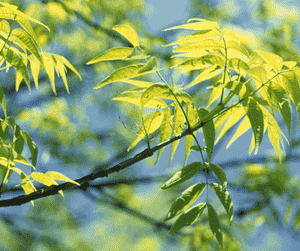
The most favorable time for planting blue ash is during the mild season, specifically from the end of spring to the middle of summer, allowing roots to become established without harsh climatic conditions. Select a site that receives abundant solar exposure and possesses soil with good drainage. Handle the root system carefully to facilitate an effortless acclimatization.
What Preparations are Needed Before Transplanting Blue Ash?
What is the Ideal Time for Transplanting Blue Ash?
The optimal period to move blue ash is from late spring to early summer, offering a balance of warm soil and cooler air for root establishment. Relocating blue ash during this timeframe leverages the peak growing season, giving the plant ample opportunity to acclimate and flourish before winter. This approach ensures successful growth due to the moderate weather, which is gentle on blue ash's developing root system.
How Much Space Should You Leave Between Blue Ash Plants?
When transplanting blue ash, position each plant 30-40 feet (9-12 meters) apart. This provides ample room for growth, preventing competition for light and nutrients, and is crucial for their overall development.
What is the Best Soil Mix for Blue Ash Transplanting?
Give blue ash a strong start by preparing a soil blend rich in organic matter and incorporating a slow-release base fertilizer, such as bone meal. This will supply a healthy nutrient foundation to encourage robust and consistent growth.
Where Should You Relocate Your Blue Ash?
Choose a sunny location for blue ash with minimal to no shade. They thrive in full sun exposure, receiving at least 6-8 hours of sunlight daily. This will promote better growth and ensure a vibrant appearance!
What Equipments Should You Prepare Before Transplantation Blue Ash?
Gardening Gloves
To safeguard your hands while handling soil and blue ash.
Spade
To excavate a hole for the blue ash in its new spot. It's also useful for removing the plant from its original location.
Watering Can/Hose
To thoroughly hydrate the blue ash after transplantation.
Mulch
To apply around the base of the blue ash post-transplant, which helps keep roots cool and retain moisture.
Bucket
To collect soil and transport the blue ash from its initial position to the new site.
Hand Trowel
Convenient for smaller containers where a spade might be too large.
Pruners
To trim any damaged roots or branches prior to transplanting.
How Do You Remove Blue Ash from the Soil?
How Do You Remove Blue Ash from the Soil?
From Ground: First, lightly water the blue ash to moisten the soil, facilitating easier removal. Using a spade, dig a wide trench around the blue ash, being careful not to harm its root ball. Gently work your spade beneath the root ball and carefully lift the blue ash from its original spot.From Pot: Begin by watering the blue ash to ensure the root ball slides out easily. Tilt the pot sideways, gently tap it to loosen the blue ash, and slide it out. If the plant is stuck, you might need to cut the pot.From Seedling Tray: Use a small tool or your finger to push up from the bottom of the tray to dislodge the blue ash. Avoid pulling on the stem of the blue ash. Gently grasp the leaves to remove it.
Step-by-Step Guide for Transplanting Blue Ash
Prep Work
First, prepare the new site by digging a hole that is twice the size of the blue ash's root ball. This extra space will provide the root system ample room to avoid unnecessary stress. The ground must be firm beneath the root ball to secure its proper placement. Water the hole so it's ready for transplanting.
Root Pruning
Using your pruners, trim off any damaged or broken roots from the blue ash before planting it. This encourages new root growth once it's in the ground.
Planting
Place the blue ash in the hole, ensuring it's not planted deeper than its original growing depth. Backfill the space around the root ball, firming the soil as you go to hold the blue ash in place.
Watering
Once the blue ash has been transplanted, water it thoroughly to help settle the soil and reduce transplant shock.
Mulching
Spread mulch around the base of the blue ash to help keep the roots cool and retain moisture.
How Do You Care For Blue Ash After Transplanting?
Watering
For the initial few weeks after transplanting, maintain consistently moist but not waterlogged soil around the blue ash. This aids in establishing the roots in their new environment.
Pruning
After transplanting, the blue ash may experience some stress. Prune back any dead or dying branches. This allows the plant to direct its energy towards new growth. Regular pruning also maintains plant health and promotes growth.
Monitoring
Closely observe your newly transplanted blue ash, looking for any signs of transplant shock such as wilting or yellow leaves. Contact a garden nursery or extension service if you have any concerns. With proper care and attention, your blue ash should thrive in its new location.
Troubleshooting Common Issues with Blue Ash Transplantation.
When is the ideal time of the year to move blue ash?
The best months to transplant blue ash are late summer to early fall, corresponding to the third to fifth seasons.
How much space should I leave between each blue ash sapling?
Ensure adequate distance between each sapling, ideally 30-40 feet (9-12 meters). This will allow each blue ash to grow fully over time.
What are the key steps to follow while transplanting blue ash?
Start by digging a hole, then gently position blue ash in it, ensuring the roots are spread out. Backfill the hole, water generously, and monitor the plant closely.
How big should the hole be when transplanting blue ash?
The hole should be twice as wide as the rootball and the same depth. This allows blue ash to spread its roots comfortably.
What measures can be taken if the blue ash appears droopy after transplanting?
Firstly, ensure blue ash is watered adequately. If drooping continues, it might need more shade or it's reacting to transplant shock. So patience is key.
What's the correct way to water blue ash saplings post-transplant?
After transplanting blue ash, water generously until the soil is fully moist. Continue watering at least once a week, ensuring drainage to prevent waterlogging.
Can blue ash be transplanted near other plants or trees?
Blue ash can grow quite large, which might hinder the growth of other nearby plants. Its ideal to maintain good distance for balanced growth of all plants.
Is there a specific soil type that helps blue ash grow better after transplantation?
Blue ash is adaptable, but ideally prefers well-draining soil. If you're working with clay soil, consider amending it to improve structure and drainage.
What should I do if blue ash isn't showing any new growth after transplanting?
Transplant shock can stall the development of blue ash. Continue to provide optimal care, focusing on watering and shielding the plant from extreme weather conditions.
How can I help my blue ash resist diseases and pests after transplanting?
Keeping blue ash healthy is the best defense. This includes proper watering, sufficient space for growth, and treating any visible signs of disease or pest infestation immediately.



