How to Transplant Hardy fuchsia?
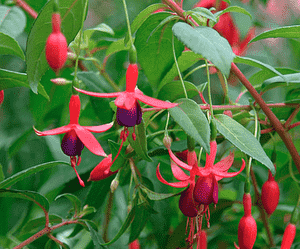
For robust fuchsia, the ideal period for relocation is from early to mid-spring, which facilitates superior root development and expansion. Suitable transplanting environments involve a spot with dappled sunlight and soil that drains effectively. Should it be necessary, incorporate organic material to enhance the soil's quality. Enjoy your transplanting!
Essential Preparations Before Relocating Hardy Fuchsia
Optimal Period for Moving Hardy Fuchsia?
The best time to move your hardy fuchsia is from early to mid-spring. This timeframe supports robust growth as their roots firmly establish. It's advantageous because it leads to abundant summer blooms, enhancing your garden's vibrancy. Following these guidelines will undoubtedly make your gardening experience rewarding.
Recommended Spacing Between Hardy Fuchsia Plants?
When transplanting hardy fuchsia, it's advisable to position each plant 2-3 feet (60-90 cm) apart. This ensures ample room for root expansion and growth, resulting in a healthier and more visually appealing display.
Ideal Soil Blend for Hardy Fuchsia Relocation?
Prior to moving hardy fuchsia, amend the soil by incorporating well-draining loam with a generous amount of organic material, such as compost or aged manure. A slow-release, balanced fertilizer (10-10-10) can also be added to encourage vigorous development.
Where to Replant Your Hardy Fuchsia?
When choosing a new spot for hardy fuchsia, select an area with partial shade to full sun. Hardy fuchsia can tolerate various light levels, but try to shield it from intense direct sunlight during the warmest part of the day.
Tools Required Before Transplanting Hardy Fuchsia?
Gardening Gloves
To safeguard your hands while handling soil and plants.
Shovel or Spade
For digging holes and trenches, and for lifting the plant from its original spot.
Trowel
To assist with precise planting and adjusting soil around the plant.
Pruning Shears
To trim any damaged branches or roots before the move.
Watering Can
To hydrate the plant in its new location.
Organic Compost
To enrich the soil and aid the plant in developing strong roots post-transplant.
How to Extract Hardy Fuchsia from the Ground?
How to Extract Hardy Fuchsia from the Ground?
From Ground: First, water the hardy fuchsia plant to moisten the soil. Next, dig a wide trench around the plant using a shovel or spade, ensuring the plant's root ball remains intact. Carefully work the spade beneath the root ball to lift the plant from its initial position.From Pot: Water the hardy fuchsia plant thoroughly and allow it to sit for a few minutes to absorb moisture. Turn the pot on its side and gently tap the edges to loosen the root ball. Carefully slide the plant out of the pot, preserving as much of the root ball as possible.From Seedling Tray or Cell Packs: Water the hardy fuchsia seedlings to dampen the soil. Use a small trowel or your fingers to gently lift the seedling from the tray, taking care to keep the soil around the root ball intact. If the roots have intertwined, carefully separate them before transplanting.
Step-by-Step Guide for Relocating Hardy Fuchsia
Acclimate hardy fuchsia
Gradually introduce the plant to outdoor conditions by exposing it to sunlight and varying temperatures for a few hours daily, progressively increasing the outdoor duration over a week.
Prepare the Planting Site
Excavate a hole twice the width and the same depth as the hardy fuchsia plant's root ball. Add a layer of organic compost to the base of the hole to supply nutrients for the plant.
Carefully Position hardy fuchsia in the Hole
Gently place the plant in the hole, ensuring the root ball is level with the surrounding soil. Spread out the roots, allowing them to naturally extend in their new environment.
Backfill with Soil
Fill the hole with soil, gently firming it down around the root ball with your hands or the back of your shovel. Ensure no air pockets remain, as these can harm the roots.
Water Thoroughly
Deeply water the hardy fuchsia plant to help settle the soil and ensure good root-to-soil contact. The water will also help mitigate any transplant shock.
Post-Transplant Care for Hardy Fuchsia
Watering
Keep the soil around the hardy fuchsia consistently moist, but not waterlogged, for the initial weeks after transplanting to aid in establishing strong roots.
Pruning
Regularly remove dead or damaged branches, spent flowers, and foliage to encourage denser growth and maintain the plant's overall health.
Feeding
Apply a balanced, slow-release fertilizer in the spring when the plant begins to show new growth. This will support flower development and maintain overall plant vitality.
Pest Control
Monitor for common pests, such as aphids and whiteflies. If infestations are observed, treat with an appropriate insecticidal soap or consult your local garden center for advice.
Winter Care
Mulch the base of the hardy fuchsia plant to protect its roots from frost, if your region experiences cold winters.
Addressing Common Issues with Hardy Fuchsia Transplantation.
What's the optimal time of year to move hardy fuchsia?
Hardy fuchsia thrives when moved from the beginning of spring to the middle of the season.
How much space should I allow when planting multiple hardy fuchsia plants?
For healthy development, maintain a distance of 2-3 feet (60-91 cm) between each hardy fuchsia plant.
What indicators suggest hardy fuchsia needs to be moved?
Hardy fuchsia requires relocation when there's noticeable root congestion or the plant outgrows its current container.
Does hardy fuchsia need a specific soil type for transplanting?
Rich, well-draining soil with a near-neutral pH is ideal when moving hardy fuchsia.
How should I prepare the new site before moving hardy fuchsia?
Prepare the planting area by digging a hole twice as wide and nearly as deep as the root ball of hardy fuchsia.
Is there a recommended method for removing hardy fuchsia from its original pot?
Gently loosen the soil and carefully extract hardy fuchsia. Be cautious not to harm the root system during this process.
How deep should hardy fuchsia be placed into the new hole?
The root ball of hardy fuchsia should be level with or slightly above the surrounding ground. Avoid planting too deeply.
What immediate care should hardy fuchsia receive after being moved?
Water generously post-transplant to settle the soil, continuing with regular watering and feeding with a balanced fertilizer.
Why are the leaves on my recently moved hardy fuchsia wilting?
Wilting after relocation, often called 'transplant shock', can occur. Maintain consistent care, and hardy fuchsia should soon recover.
Should I prune hardy fuchsia before moving it?
Trimming hardy fuchsia back by a third before transplanting can help prevent transplant shock and encourage healthier growth.



