How to Transplant Cape jasmine?
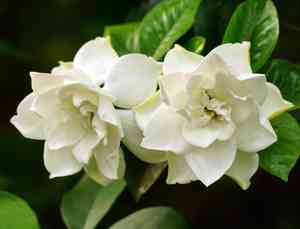
The most favorable period for relocating cape jasmine is between mid-spring and late spring, or mid-autumn and late autumn. These intervals encourage superior root establishment. Select a site with good drainage and exposure to partial or full sunlight for optimal outcomes. Exercise caution and gentleness when manipulating the root mass during the transplanting process.
What Preparations are Needed Before Transplanting Cape Jasmine?
What is the Ideal Time for Transplanting Cape Jasmine?
The perfect period for relocating cape jasmine is from mid-spring to late-spring or mid-fall to late-fall, as this allows the plant to establish its root system prior to extreme temperatures. Moving it during these seasons offers the best chance for a healthy and flourishing cape jasmine.
How Much Space Should You Leave Between Cape Jasmine Plants?
When relocating cape jasmine, it's best to ensure sufficient room for development by maintaining a distance of 3-6 feet (0.9-1.8 meters) between individual plants. This will provide ample space for them to thrive and create an impressive display in your garden.
What is the Best Soil Mix for Cape Jasmine Transplanting?
For a happy cape jasmine, preparing the correct soil is essential. Choose well-draining, acidic soil with a pH between 5.0 and 6.0. Additionally, incorporate a slow-release, acid-loving fertilizer to aid their growth. Don't worry â it's a straightforward process!
Where Should You Relocate Your Cape Jasmine?
As you select a new spot for cape jasmine, remember that these plants prefer partial to full sun exposure. A location with filtered light or morning sun and afternoon shade would be perfect! Providing 4-6 hours of daily sunlight helps them develop beautifully.
What Equipments Should You Prepare Before Transplantation Cape Jasmine?
Gardening Gloves
To safeguard your hands while working with the soil and plant material.
Shovel or Spade
For excavating the planting hole and extracting the plant from its original position.
Trowel
For precise digging, especially when moving from a container or seedling tray.
Pruner or Scissors
To trim any broken or damaged roots before the relocation process.
Tape Measure
To ensure appropriate spacing between individual plants.
Watering Can or Hose
To hydrate the plant after it has been moved.
Mulch
To assist in retaining moisture and inhibiting weed growth.
How Do You Remove Cape Jasmine from the Soil?
How Do You Remove Cape Jasmine from the Soil?
- From Ground:First, water the cape jasmine plant to moisten the soil. Then, dig a wide trench around the plant using a shovel or spade, ensuring the plant's root ball remains intact. Carefully work the spade beneath the root ball to lift the plant from its original spot.- From Pot:Water the plant thoroughly before moving it. Gently invert the pot and carefully tap the rim on a surface to loosen the root ball. Hold the plant by the base of the stem, and gently ease the plant out of the pot, keeping the root ball whole.- From Seedling Tray:Use a trowel to carefully lift the seedling from the tray, taking care not to harm the root system. Hold the plant by the base of the stem, and gently remove the seedling from the tray.
Step-by-Step Guide for Transplanting Cape Jasmine
Site Selection
Choose a location with suitable sunlight and adequate space for your cape jasmine plant to reach its full size.
Digging
Excavate a hole twice as wide as the cape jasmine plant's root ball and slightly deeper. Keep the removed soil nearby for refilling later.
Prepare the Plant
Inspect the roots of the cape jasmine plant, and use pruners or scissors to remove any broken or damaged roots.
Planting
Position the cape jasmine plant in the hole, ensuring the top of the root ball is slightly above the surrounding ground. Backfill the hole with the excavated soil and gently firm it down with your hands to eliminate air pockets.
Watering
Thoroughly water the cape jasmine plant, saturating the soil around the root ball. This helps to settle the soil around the roots and encourages root development.
Mulching
Apply a 2-inch layer of mulch around the base of the cape jasmine plant, keeping the mulch a few inches away from the stem to prevent rot.
How Do You Care For Cape Jasmine After Transplanting?
Watering
Keep the soil around the cape jasmine consistently moist, but not waterlogged, for the initial weeks after transplanting to help establish strong roots.
Pruning
Prune the cape jasmine plant regularly to maintain its form and encourage denser growth and more blooms.
Feeding
Apply a slow-release fertilizer specifically for acid-loving plants like cape jasmine a few weeks after transplanting to promote growth and flower production. Be sure to follow the fertilizer's label instructions.
Pest Control
Monitor the cape jasmine plant for any pests, such as whiteflies or aphids, and take appropriate action if they appear. Consider using insecticidal soap or neem oil as a natural pest control solution.
Troubleshooting Common Issues with Cape Jasmine Transplantation.
When is the best time to transplant cape jasmine?
The optimal transplanting period for cape jasmine is mid-to-late spring and mid-to-late fall, ensuring ideal growth.
What is the proper spacing for cape jasmine plants?
Ensure a distance of 3-6 feet (0.9-1.8 meters) between cape jasmine plants for adequate growth and air circulation.
What are the best soil conditions for transplanting cape jasmine?
Choose well-draining soil with a pH of 5-6.5, preferably acidic to slightly acidic for cape jasmine to flourish.
How deep should I plant cape jasmine during transplanting?
Dig a hole slightly larger and deeper than the root ball to allow room for root expansion.
Should I prune cape jasmine before transplanting?
Giving cape jasmine a light trim before transplanting can help it adjust to its new environment and improve its shape.
How much water is required after transplanting cape jasmine?
Water cape jasmine thoroughly immediately after transplanting, then maintain moist soil without overwatering during establishment.
Do I need to add fertilizer during transplanting?
Add a slow-release fertilizer with a balanced ratio to the planting hole to help cape jasmine establish and grow.
What protective measures can be taken during transplanting?
Wear gloves while handling cape jasmine to avoid injury from thorns and ensure the roots are not damaged.
What is the ideal temperature for transplanting cape jasmine?
Transplant cape jasmine when temperatures are between 55-75°F (13-24°C), avoiding extreme heat or cold.
How long does it take for cape jasmine to establish after transplanting?
Allow cape jasmine approximately 4-6 weeks to establish roots and start new growth, with patience and proper care.



