How to Transplant Wild geranium?
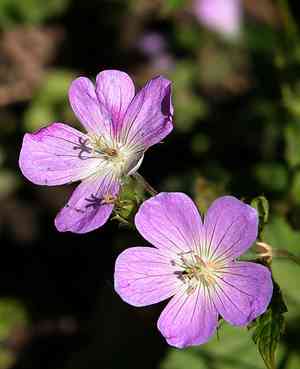
Relocate wild geranium during the prime window of mid to late summer to ensure its best development. Select a site featuring soil that drains effectively and offers partial shade. Be sure to supply sufficient hydration and room for this charming Annual/Perennial to thrive. Enjoy your transplanting!
What Preparations are Needed Before Transplanting Wild Geranium?
What is the Ideal Time for Transplanting Wild Geranium?
The optimal time to move wild geranium is from mid to late summer. This timeframe is most beneficial due to the warm ground and ample sunlight. Relocating wild geranium during this period encourages root development and promotes vigorous growth. Ensure you provide considerable care during the transition; thorough preparation and immediate watering can lead to a thriving wild geranium!
How Much Space Should You Leave Between Wild Geranium Plants?
For wild geranium, it's best to position them 12-24 inches (30-60 cm) apart. This provides ample room for their root systems to expand, ensuring they remain healthy and robust!
What is the Best Soil Mix for Wild Geranium Transplanting?
Transplant wild geranium into soil that drains well, is loamy, and enriched with organic material such as compost. A slow-release, balanced fertilizer, like 10-10-10, will offer a solid nutritional foundation.
Where Should You Relocate Your Wild Geranium?
Select a location for wild geranium that receives abundant bright, indirect light or filtered shade, to guarantee they develop both strong and attractive.
What Equipments Should You Prepare Before Transplantation Wild Geranium?
Gardening gloves
To protect your hands from potential irritants found in soil and plant matter.
Shovel or garden spade
Necessary for extracting the plant from its original spot and excavating a new hole for relocation.
Hand trowel
Useful for loosening the soil around the root ball when moving small plants or young sprouts.
Garden hose or watering can
Required to hydrate the plant before and after its transfer.
Root pruning shears
Used to trim any damaged or overly long roots, thereby encouraging better root development post-transplantation.
Mulch
Helps maintain soil moisture and temperature while inhibiting weed growth around your newly transplanted wild geranium.
How Do You Remove Wild Geranium from the Soil?
How Do You Remove Wild Geranium from the Soil?
From Ground: Start by lightly watering the wild geranium to make the soil easier to work with. Then, use a shovel to carefully dig around the plant, ensuring a generous distance from the base to prevent root system damage. Slowly work the shovel beneath the plant, lifting gently until the root ball detaches from the soil.From Pot: Begin by watering the wild geranium plant to moisten the soil, facilitating easier plant removal. Next, tilt the pot sideways and gently tap it to loosen the soil and the plant. If the plant resists leaving the pot, gently press on the pot's sides to loosen the root ball.From Seedling Tray: Be sure to water the wild geranium seedlings first. Then, create a small hole in the growing medium with your finger or a small tool. Gently grasp the seedling by its leaves (never by the stem or roots), lift it from the cell, and place it into the hole, ensuring the roots are fully covered with soil.
Step-by-Step Guide for Transplanting Wild Geranium
Preparation
Prepare a new hole in the ground that is twice as wide and as deep as the wild geranium's root ball. Loosen the soil at the bottom of the hole with a hand trowel.
Root Preparation
If the roots are root-bound (tightly coiled), gently separate them. If any roots are dead or broken, use pruning shears to remove them.
Planting
Place the wild geranium in the hole, ensuring the top of the root ball is level with the ground. Backfill the hole with soil, gently firming around the plant's base.
Watering
Water the plant generously immediately after transplanting. Ensure that water penetrates deeply into the soil to encourage strong root growth.
Mulching
Spread a layer of mulch around the base of the plant, leaving a small space clear around the stem. This will help retain moisture and prevent weed growth.
How Do You Care For Wild Geranium After Transplanting?
Hydration
Water the wild geranium regularly, especially during the initial weeks, to ensure the soil remains consistently moist but not waterlogged. If rainfall is abundant, you may need to water less often.
Protection
Initially, wild geranium may require shielding from harsh weather conditions such as intense sun, strong winds, or heavy rain; consider using a plant shade cloth if necessary.
Monitoring
Observe the wild geranium's growth after transplanting. If it displays signs of distress like wilting, yellowing, or stunted growth, it might need more water, pest protection, or disease treatment. Always remember, prompt action is crucial for a struggling plant's recovery.
Troubleshooting Common Issues with Wild Geranium Transplantation.
When is the best period to transplant wild geranium?
Mid-summer to late summer is the ideal period to transplant wild geranium. This period encourages healthy growth.
What should be the ideal spacing for wild geranium while transplanting?
For healthy growth, place wild geranium about 12-24 inches (30-60 cm) apart. This gives each plant ample space to grow.
How deep should I transplant wild geranium in the soil?
Transplant wild geranium at the same depth they were growing previously. Too deep or too shallow can harm the plant's growth.
How should I prepare the soil before transplanting wild geranium?
Aim for a well-draining soil. Enrich the soil with compost or organic matter before planting wild geranium to provide nutrients for growth.
Do I need to water wild geranium immediately after transplanting?
Yes, do hydrate wild geranium after transplanting. Moisture helps to settle the surrounding soil and reduces the initial shock of transplanting.
Can I fertilize wild geranium immediately after transplanting?
It's better to wait for a few weeks before fertilizing. Over-fertilization right after transplanting could harm wild geranium.
What if I notice wilting or yellowing leaves after transplanting wild geranium?
Wilting or yellowing could indicate stress. Check the plant's water, sunlight, and nutrient levels. Adjust as necessary, but donât panic.
Should I prune wild geranium during transplanting?
While it's not necessary, you can trim off any damaged or excessively long roots before planting wild geranium.
Should I transplant wild geranium in full sun or in shade?
Wild geranium prefers partial shade but can tolerate full sun. Ensure the plant receives enough but not excessive sunlight.
How long does it take for wild geranium to adapt after transplanting?
Generally, expect wild geranium to take several weeks to adjust. If well cared for, they will resume normal growth thereafter.



