How to Transplant Maidenhair tree?
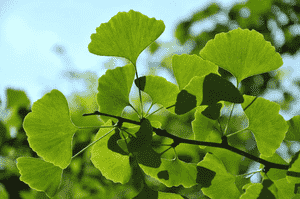
The ideal period for relocating a maidenhair tree is from the close of summer to the middle of autumn, as the plant's growth rate diminishes, facilitating superior root establishment. Select a site that receives ample sunlight or partial shade, featuring soil that drains effectively, and contemplate applying a mulch layer to safeguard the recently moved roots.
What Preparations are Needed Before Transplanting Maidenhair Tree?
What is the Ideal Time for Transplanting Maidenhair Tree?
The optimal period to relocate your maidenhair tree is from the peaceful close of summer to the gentle start of mid-autumn. This timeframe offers numerous advantages for your maidenhair tree, allowing it sufficient opportunity to establish its root system prior to the onset of cold weather. By timing its move correctly, you'll maintain your plant's health and vigor. Embrace this transplanting ritual; it will ensure your maidenhair tree becomes a lasting favorite!
How Much Space Should You Leave Between Maidenhair Tree Plants?
When transplanting maidenhair tree, ensure a spacing of 50-80 feet (15-24 meters) between each plant. This will provide ample room for individual growth and flourishing, contributing to a beautiful and thriving garden.
What is the Best Soil Mix for Maidenhair Tree Transplanting?
Prepare the soil with a well-draining, loamy or sandy consistency. Incorporate a slow-release granular fertilizer into the planting hole, which will supply maidenhair tree with essential nutrients as it adjusts to its new environment.
Where Should You Relocate Your Maidenhair Tree?
Select a site that receives full sun to partial shade for transplanting maidenhair tree. This will guarantee it receives adequate sunlight and warmth to develop healthily and robustly over the years.
What Equipments Should You Prepare Before Transplantation Maidenhair Tree?
Gardening Gloves
To safeguard your hands while handling soil and the maidenhair tree plant.
Shovel or Spade
For excavating necessary holes and trenches for relocation.
Garden Trowel
For moving smaller maidenhair tree plants or young sprouts.
Measuring Tape
To determine suitable distances between plants.
Stakes and Twine
To offer support and encourage upright growth for young maidenhair tree plants.
Watering Can or Garden Hose
To hydrate the maidenhair tree plant during and after its relocation.
How Do You Remove Maidenhair Tree from the Soil?
How Do You Remove Maidenhair Tree from the Soil?
From Ground: First, moisten the maidenhair tree plant to dampen the soil. Next, dig a wide trench around the plant using a shovel or spade, ensuring the plant's root ball remains intact. Carefully work the spade beneath the root ball to lift the plant from its original spot.From Pot: Water the maidenhair tree plant to moisten the soil, then tilt the pot onto its side. Gently tap the pot to release the plant and its root ball. Be careful not to disturb the roots.From Seedling Tray: Fill a small container with water and place the seedling tray into it. Carefully slide a garden trowel under the maidenhair tree seedling, lifting it out of the tray while keeping the root ball intact.
Step-by-Step Guide for Transplanting Maidenhair Tree
Digging the Hole
Use a shovel or garden trowel to excavate a hole in your chosen spot, making it two to three times wider than the maidenhair tree plant's root ball and equally deep.
Placing the Plant
Gently position the maidenhair tree plant into the hole, ensuring the top of the root ball is level with the surrounding ground. Backfill the hole halfway with soil, and gently firm it down with your hands.
Watering
Use a watering can or garden hose to thoroughly irrigate the maidenhair tree plant, allowing the soil to settle around the root ball.
Filling the Hole
Complete filling the hole with soil and gently firm it down. Create a slight depression around the plant to help retain moisture.
Staking
If needed, stake the maidenhair tree plant to provide support and encourage straight growth. Use twine to loosely secure the plant to the stake.
How Do You Care For Maidenhair Tree After Transplanting?
Monitoring
Observe the maidenhair tree plant for any indications of stress, such as wilting or discoloration, and adjust its care as necessary.
Watering
Maintain consistent moisture in the soil around the maidenhair tree, avoiding sogginess, for the initial few weeks post-transplant to aid in strong root establishment.
Mulching
Apply a layer of organic mulch around the base of the maidenhair tree plant to help conserve moisture and regulate soil temperature.
Pruning
Trim any dead or damaged branches to stimulate new growth and maintain the plant's vitality.
Protection
Monitor for pests and diseases and implement necessary measures to safeguard the maidenhair tree plants as required.
Troubleshooting Common Issues with Maidenhair Tree Transplantation.
When is the ideal time to transplant the maidenhair tree?
The optimal period for relocating the maidenhair tree is from late summer to mid-fall. This allows the plant ample time to establish its root system before winter.
What space should be kept between each maidenhair tree?
The maidenhair tree requires significant space to grow. Ideally, maintain a distance of 50-80 feet (15-24 meters) between each plant. This ensures healthy, unhindered development.
What is the best soil condition for maidenhair tree transplantation?
Maidenhair tree thrives in well-drained, sandy or loamy soil with a slightly acidic to neutral pH. Ensure the soil is properly prepared before relocation to promote root development.
How deep should the planting hole be for a maidenhair tree?
The hole should be twice as wide and just as deep as the maidenhair tree's root ball. This provides sufficient room for the roots to expand and grow.
How much should I water the maidenhair tree after transplanting?
After transplanting, water your maidenhair tree thoroughly, ensuring the soil is completely moistened. However, prevent waterlogging as this can lead to root rot. Adjust watering frequency based on weather conditions.
Why are the leaves of my transplanted maidenhair tree turning yellow?
Yellowing leaves can indicate overwatering or insufficient nutrients. Review your watering schedule and soil quality. If needed, fertilize your maidenhair tree with a slow-release product.
How much sunlight does a transplanted maidenhair tree need?
The maidenhair tree grows best in full sun to partial shade. After transplantation, ensure it is situated in a spot that receives ample sunlight, but shield it from intense midday heat.
What should I do if the transplanted maidenhair tree is not growing?
Ensure adequate sunlight, water, and nutrients are provided. Soil conditions should also be optimal; aerating the soil might help. If the problem persists, consult a local nursery or extension service.
How to protect transplanted maidenhair tree from pests and diseases?
Regularly inspect your maidenhair tree for signs of pests and diseases. Use organic insecticides or fungicides if necessary. Promptly remove any infected leaves or branches to prevent spread.
How to maintain a transplanted maidenhair tree during winters?
Maidenhair tree is quite resilient, but in harsh winters, wrap the trunk with straw or burlap for protection. Remove it once spring arrives and the last frost has passed.



