How to Transplant Hakone grass?
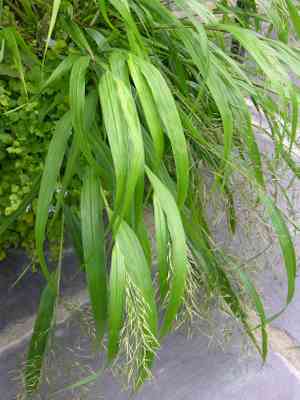
The ideal period for relocating Hakonechloa macra is from early to mid-spring, when the weather is temperate and the ground is damp. Select a spot with partial shade and soil that drains effectively to encourage robust development. Bear in mind, a delicate approach is crucial when managing this fragile specimen.
What Preparations are Needed Before Transplanting Hakone Grass?
What is the Ideal Time for Transplanting Hakone Grass?
Relocating hakone grass during the active spring period, ideally in its early to mid-stages, can lead to favorable outcomes. This timing guarantees optimal conditions and sufficient time for the plant to properly establish itself prior to harsh summer weather. Furthermore, the milder, moisture-rich environment aids root recovery with less stress, ensuring a robust, healthy hakone grass. This is a critical step for successful transplantation without fabricating any information.
How Much Space Should You Leave Between Hakone Grass Plants?
To provide ample room for your hakone grass to flourish, ensure a spacing of 10-16 inches (25-40 cm) between them when replanting. This promotes good air circulation and minimizes disease risk.
What is the Best Soil Mix for Hakone Grass Transplanting?
For hakone grass, prepare well-draining soil enriched with a mix of compost or aged manure. This supplies essential nutrients and helps improve the soil's structure. A balanced, slow-release fertilizer can also be incorporated during preparation.
Where Should You Relocate Your Hakone Grass?
Select a site for your hakone grass where it will receive partial to full shade. Shielding it from intense afternoon sun will help maintain its vibrant foliage and support vigorous growth.
What Equipments Should You Prepare Before Transplantation Hakone Grass?
Gardening Gloves
To safeguard your hands while handling soil and the hakone grass plant.
Shovel or Spade
For excavating holes and extracting the plant from its original spot.
Garden Trowel
For more precise digging and adjusting the planting cavity.
Watering Can or Hose
To hydrate the plant before and after its relocation.
Organic Compost
To enrich the soil and supply nutrients to the hakone grass plant.
Gardening Fork
To loosen the soil prior to transplanting.
How Do You Remove Hakone Grass from the Soil?
How Do You Remove Hakone Grass from the Soil?
From Ground: First, moisten the hakone grass plant's soil with water. Then, dig a wide trench around the plant using a shovel or spade, ensuring the plant's root ball remains intact. Carefully work the spade beneath the root ball to lift the hakone grass plant from its initial location.From Pot: Water the hakone grass plant in its container to loosen the roots. Gently tap the pot's sides to release the root ball and carefully slide the plant out while supporting its base with your hand.From Seedling Tray: Water the seedlings in their tray to dampen the soil and plant roots. Using a garden trowel or a small spoon, gently scoop out each hakone grass seedling, keeping as much soil around the roots as possible.
Step-by-Step Guide for Transplanting Hakone Grass
Site Selection
Choose a location with appropriate sunlight and sufficient space for your hakone grass plant to reach its mature size.
Soil Preparation
Loosen the soil at the transplanting site using a shovel or gardening fork. Incorporate some organic compost to enhance soil quality and provide nutrients.
Digging the Hole
Excavate a hole slightly larger and deeper than the root ball of your hakone grass plant using a garden trowel. Fill the bottom of the hole with a layer of organic compost to encourage root development.
Placing the Plant
Carefully position the hakone grass plant into the hole, ensuring the top of the root ball is level with the ground. Backfill the hole with soil, making sure there are no air pockets around the roots.
Watering
Gently water the hakone grass plant, ensuring the soil around the root ball is uniformly moistened. This will help settle the soil and establish the plant in its new location.
How Do You Care For Hakone Grass After Transplanting?
Watering
Keep the soil around the hakone grass consistently damp, but not waterlogged, for the initial few weeks post-transplant to aid in establishing strong roots.
Feeding
After 4-6 weeks, apply an organic compost or slow-release fertilizer to supply nutrients for the hakone grass plant as it continues to settle into its new environment.
Mulching
Apply a layer of organic mulch around the base of the hakone grass plant to help retain soil moisture and suppress weed growth.
Pruning
Regularly prune or trim your hakone grass plant to maintain its form and promote healthy growth. Remove any dead or damaged leaves during the growing season.
Troubleshooting Common Issues with Hakone Grass Transplantation.
When is the best time to transplant hakone grass?
The optimal period to move hakone grass is from early spring to mid-spring, a time when the plant responds best to environmental changes.
What is the recommended spacing when transplanting hakone grass?
It's advisable to maintain a distance of 10-16 inches (25-40 cm) between each hakone grass to ensure adequate room for optimal growth.
Why are my transplanted hakone grass wilting?
Ensure that the hakone grass is neither overwatered nor underwatered, as both can cause wilting. Also, acclimate your plant to the new environment gradually before transplanting.
What type of soil is best for transplanting hakone grass?
Hakone grass thrives best in well-draining, moist soil. Ensure the soil is rich in organic matter and has a neutral to slightly acidic pH.
Could I transplant hakone grass in any season?
While technically feasible, for optimal results, transplant hakone grass during early to mid-spring to allow the plant time for growth and adjustment before winter.
Why is my transplanted hakone grass not growing?
Allow the transplanted hakone grass time to adjust. If no growth occurs after 2 weeks, consider soil composition, watering frequency, and whether the plant receives adequate sunlight.
How should I prepare hakone grass for transplanting?
Begin by thoroughly watering hakone grass a day prior. Then, carefully remove it from its original location, taking care not to harm the root system.
How do I recover my hakone grass that's dying after transplant?
Hakone grass might experience transplant shock. Ensure proper watering, light exposure, and soil type. If the plant continues to struggle, consider consulting a professional.
What should I do immediately after transplanting hakone grass?
Water your hakone grass thoroughly right after transplanting and ensure it’s placed in a location where it can receive ample sunlight during the day. Monitor its progress regularly.
How deep should I set hakone grass when transplanting?
Transplant hakone grass at the same depth it was in its previous location. This is crucial as planting too shallow or deep may hinder the plant's development.



