How to Transplant Persian ivy?
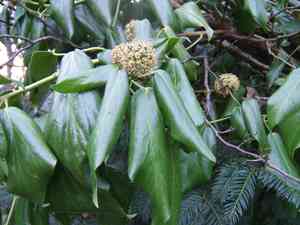
For Persian ivy, transplanting is most effective from late spring to mid-summer, allowing its root system to become established before colder weather arrives. Select a location with ample shade and soil that drains efficiently. Carefully moving the plant to its new site during this period fosters vigorous development.
Essential Preparations Before Relocating Persian Ivy?
When is the Best Period to Move Persian Ivy?
The ideal time to re-establish persian ivy is from the onset of warm weather until mid-summer. This timeframe allows the plant sufficient opportunity to settle in with mild temperatures and extended daylight, promoting vigorous development. By moving persian ivy during this window, you provide it a head start to develop robust roots before the colder autumn months. This approach not only minimizes transplant stress but also leverages the peak growing season for optimal establishment.
What is the Recommended Spacing Between Persian Ivy Plants?
Allow your persian ivy ample room to thrive! Aim for a distance of 6 to 12 feet (1.8 to 3.6 meters) between plants. This ensures they have sufficient area to expand broadly and display their beautiful foliage.
What is the Optimal Soil Mixture for Persian Ivy Relocation?
For your persian ivy, a well-draining, loamy soil will be most beneficial. Prior to planting, incorporate a generous amount of compost to enrich the soil. A slow-release, balanced fertilizer will also give persian ivy an excellent start!
Where Should You Position Your Persian Ivy?
Choose a location for your persian ivy that receives partial to full shade. They are not fond of intense sun, and excessive direct sunlight can harm them. A north-facing spot can offer a comfortable home for your persian ivy.
What Tools Are Necessary Before Transplanting Persian Ivy?
Gardening Gloves
To safeguard your hands while handling soil and the plant.
Shovel or Spade
For excavating the plant and preparing the new planting site.
Pruning Shears
To trim any dead or superfluous parts of the plant before relocation.
Wheelbarrow or Tarp
To transport the plant from its original spot to the new planting area.
Watering Can or Hose
For hydrating the plant before and after transplanting to lessen transplant shock.
Mulch
To maintain soil moisture and regulate soil temperature around the newly transplanted persian ivy.
Support Stakes or Trellis
To offer support for the persian ivy, a climbing plant, as it establishes in its new location.
How Do You Extract Persian Ivy from the Ground?
How Do You Extract Persian Ivy from the Ground?
From Ground: Thoroughly water the persian ivy to moisten the soil, making it easier to work with. Dig a wide circle around the plant with a shovel or spade, taking care not to harm the root ball. Gently lift the plant from its position, preserving as much of the root system as possible.From Pot: Water the persian ivy and gently tap the pot's sides to loosen the soil. Turn the pot sideways and carefully slide the plant out, supporting the root ball with your hand. If the plant is root-bound, gently separate the roots.From Seedling Tray: Lightly water the persian ivy seedlings. Using a spoon or a small implement, carefully lift the seedling with its surrounding soil from the tray, ensuring the roots remain intact and undisturbed.
Step-by-Step Guide for Relocating Persian Ivy
Prepare the New Location
Dig a hole that is twice as wide and as deep as the persian ivy's root ball. Loosen the soil at the base of the hole.
Examine the Plant
Remove any dead or damaged leaves or stems with pruning shears and check the root ball for signs of disease or pests.
Positioning
Place the persian ivy in the center of the new hole, gently spreading out the roots. Ensure the plant sits at the same soil level as it did in its previous spot.
Backfill
Gradually fill in around the root ball with soil, lightly firming it down as you go to eliminate air pockets.
Watering
Thoroughly water the persian ivy after planting to settle the soil around the roots and help alleviate transplant shock.
Mulching
Apply a layer of mulch around the base of the persian ivy to conserve moisture and regulate soil temperature.
Support Installation
Install support stakes or a trellis for the persian ivy to climb on as it grows, ensuring it has support from the outset.
How Do You Care For Persian Ivy After Relocation?
Watering
Keep the soil around the persian ivy consistently moist for the initial few weeks. Avoid over-watering and ensure proper drainage to prevent root rot.
Mulching
Replenish the mulch layer as needed to maintain moisture levels and protect the root system.
Support Checking
Monitor and adjust the supports for the persian ivy as it grows to ensure it has adequate support and is growing in the desired direction.
Pruning
Prune the persian ivy regularly to encourage healthy growth and to maintain the desired shape and size.
Monitoring for Pests and Diseases
Keep an eye out for signs of pests and diseases, and treat them promptly to prevent spread.
Addressing Common Issues with Persian Ivy Transplantation.
When is the best time to move persian ivy?
Optimal time for relocating persian ivy is from late spring to early summer, ensuring warm soil and weather.
What spacing is ideal when planting persian ivy?
Space persian ivy appropriately at 6 to 12 feet apart (1.8 to 3.6 meters), providing ample room for growth.
Why are my relocated persian ivy's leaves turning yellow?
Yellowing leaves may result from water stress or shock. Keep soil consistently moist and avoid over-watering.
How deep should I dig when relocating persian ivy?
Dig a hole as deep as the root ball and twice as wide to encourage root spread.
What kind of soil is best for persian ivy?
Use well-draining soil rich in organic matter to provide persian ivy the nutrients and environment it needs.
Can I relocate persian ivy during a hot day?
Avoid moving persian ivy on hot days. Aim for cooler, overcast conditions to reduce transplant shock.
How much should I water persian ivy after relocating?
Water persian ivy thoroughly post-transplant, then maintain consistent moisture without waterlogging the soil.
Should I apply fertilizer after relocating persian ivy?
Wait a few weeks post-transplant before applying a balanced fertilizer, allowing persian ivy to establish first.
How do I protect relocated persian ivy from pests?
Monitor persian ivy regularly and employ organic pest control measures if needed.
What should I do if persian ivy isn't showing new growth?
Patience is key. Ensure adequate water and light. If conditions are right, persian ivy should eventually show new growth.



