How to Transplant Stinking hellebore?
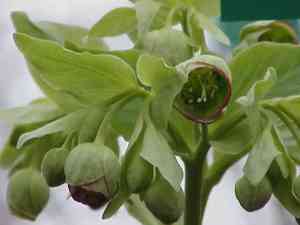
The optimal period for relocating Stinking hellebore is from mid-spring through late spring. This timing enables the plant to firmly establish its root system prior to the onset of summer. Select a site with partial shade and soil that drains effectively, exercising caution when manipulating fragile root structures, if necessary.
What Preparations are Necessary Before Relocating Stinking Hellebore?
When is the Best Time for Moving Stinking Hellebore?
Moving stinking hellebore from mid to late spring is an excellent choice! This period is highly beneficial as it allows them to establish roots prior to the summer heat. It's an ideal way to ensure their vigorous development.
How Much Space Should Be Allotted Between Stinking Hellebore Plants?
When relocating stinking hellebore, ensure ample room for growth by spacing them 12-18 inches (30-45 cm) apart. This promotes proper air circulation and encourages healthy development.
What is the Optimal Soil Blend for Stinking Hellebore Relocation?
Prepare a well-draining soil mixture for stinking hellebore, ideally with a slightly acidic to neutral pH of 6.0-7.0. Incorporate a balanced base fertilizer to supply essential nutrients for your plant's development.
Where Should You Replant Your Stinking Hellebore?
Select a spot with filtered or partial sunlight for stinking hellebore. Excessive direct sun can harm their delicate foliage, so a lightly shaded area will offer an ideal growing environment.
What Tools Should You Gather Before Moving Stinking Hellebore?
Gardening Gloves
These are crucial for safeguarding your hands from dirt, pests, and small, sharp objects that might be hidden in the ground.
Shovel or Spade
This implement will assist you in excavating a suitably sized hole in the new spot and also aid in extracting stinking hellebore from its original position.
Trowel
This is useful for removing smaller or fragile plants and for making minor adjustments to the planting hole.
Watering Can or Hose
You will require this to hydrate the plant both before and after planting.
Organic Compost
This will supply stinking hellebore with vital nutrients after being moved.
Mulch
This helps maintain soil moisture and deter weeds that can compete with stinking hellebore for resources.
How Do You Extract Stinking Hellebore from the Soil?
How Do You Extract Stinking Hellebore from the Soil?
From Ground: Start by lightly watering the stinking hellebore plant to moisten the soil, which will facilitate the removal process. Use a shovel or spade to dig a generous trench around the plant, taking care to keep the root ball undamaged and intact. Gently position the shovel or spade beneath the root ball and carefully lift the plant.From a Pot: First, water the plant to ensure the soil is damp but not saturated. Turn the pot on its side and gently tap it to loosen the soil. Softly pull the plant out while supporting its base.From Seedling Tray: Water the seedling tray before moving for easy extraction. Invert the tray while holding your hand over the soil surface, then tap the bottom of the tray to loosen and carefully remove the seedlings with your other hand.
Step-by-Step Guide for Relocating Stinking Hellebore
Preparation
Before relocating, inspect the stinking hellebore plant for any indications of disease or pests. Only healthy plants should be moved.
Digging
Excavate a hole twice the size of the stinking hellebore's root ball. The additional space will allow the roots to spread easily.
Placement
Carefully position stinking hellebore in the hole. Ensure that the top of the root ball is level with the soil surface to prevent water from accumulating at the base of the stem.
Soil Backfill
Refill the hole with a mixture of garden soil and organic compost. This will provide stinking hellebore with essential nutrients for growth and development.
Watering
Once replanting is complete, thoroughly water stinking hellebore to settle the soil and eliminate any air pockets around the roots.
How Do You Care For Stinking Hellebore After Relocation?
Monitoring
After relocation, closely observe stinking hellebore. Initially, the plant may show some wilting due to transplant shock. Be patient, it will recover.
Watering
Keep the soil moist but avoid overwatering. The soil should feel like a squeezed sponge, not a muddy mixture.
Feeding
Apply organic compost to nourish stinking hellebore about a month after relocation. This will support consistent growth and flower production.
Protection
Providing some shade for the initial few days after the move can help stinking hellebore adapt to its new spot without the added stress of full sunlight.
Troubleshooting Common Issues with Stinking Hellebore Relocation.
When is the ideal time to move stinking hellebore?
The best time to move stinking hellebore is from the middle to the end of spring. This period offers the most favorable growing conditions for stinking hellebore.
What appropriate spacing should I maintain while moving stinking hellebore?
For stinking hellebore, maintain a spacing of approximately 12-18 inches (30-45 cm), which will allow the plants ample room to thrive without competing for resources.
Why are my relocated stinking hellebore wilting?
Wilting of stinking hellebore after relocation is typically due to transplant shock, a result of root damage during the move. Water them well and avoid harsh weather conditions to help lessen the shock.
My relocated stinking hellebore have yellow leaves, what could be the cause?
Yellow leaves can indicate excessive watering or poor drainage. Ensure stinking hellebore is planted in well-draining soil and adjust watering practices to prevent waterlogged conditions.
What should I do if the relocated stinking hellebore isnât growing well?
Verify that the stinking hellebore is receiving adequate sunlight, water, nutrients, and an optimal soil pH. They flourish in partial to full shade and prefer cool, moist, well-drained soil.
I moved stinking hellebore into full sunlight. Was that correct?
Stinking hellebore prefers partial to full shade. Moving it into full sunlight could potentially harm the plant. If feasible, relocate the plant to a shadier spot.
Why is stinking hellebore not blooming after relocation?
It's possible that stinking hellebore may require a year to establish after being moved and may not bloom during this period. Be patient, provide proper care, and you should see blooms soon.
How often should I water the freshly relocated stinking hellebore?
Freshly relocated stinking hellebore should be watered immediately after the move, then approximately once a week thereafter, depending on rainfall and soil moisture levels.
What type of soil is best for moving stinking hellebore?
Stinking hellebore thrives in well-draining soil that is rich in organic matter. A slightly acidic to neutral pH is ideal for their optimal growth.
My stinking hellebore looks crowded. Should I move some elsewhere?
Yes, overcrowding can reduce airflow, encourage disease, and lead to competition for resources. Move some stinking hellebore to another location, using a spacing of about 12-18 inches (30-45 cm) for optimal growth.



