How to Transplant Chameleon plant?
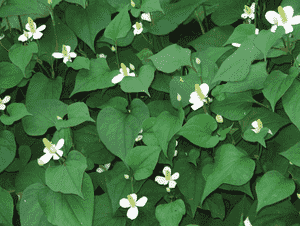
The ideal period for relocating chameleon plant is during the mild temperatures of early to late spring or the crisp chill of late autumn to early winter. Confirm that chameleon plant is situated in a damp, partly shaded spot. Additionally, provide sufficient room for its robust expansion.
What Preparations are Needed Before Transplanting Chameleon Plant?
What is the Ideal Time for Transplanting Chameleon Plant?
The best time for relocating chameleon plant is from early to late spring, or from late autumn to early winter. During these periods, chameleon plant benefits from mild temperatures and ample soil moisture, avoiding harsh summer or winter extremes. Transplanting chameleon plant at these times allows it sufficient time to establish before severe weather arrives, boosting its survival and growth potential. These careful steps for transplanting chameleon plant will lead to a flourishing and attractive garden addition.
How Much Space Should You Leave Between Chameleon Plant Plants?
When moving chameleon plant, provide adequate room for growth by spacing them 12-18 inches (30-45 cm) apart. This ensures optimal development and prevents competition for resources.
What is the Best Soil Mix for Chameleon Plant Transplanting?
Prepare rich, well-draining soil for your chameleon plant. Incorporate compost or aged manure as a foundational fertilizer to enrich the soil with nutrients, promoting the plant's growth and development.
Where Should You Relocate Your Chameleon Plant?
Select a spot for chameleon plant that receives partial shade, meaning approximately 4-6 hours of sunlight daily. This guarantees sufficient light exposure without the risk of scorching from intense sun.
What Equipments Should You Prepare Before Transplantation Chameleon Plant?
Gardening Gloves
To safeguard your hands while handling the plant and working with soil.
Shovel or Spade
Useful for digging deep enough to access the root ball when extracting chameleon plant from its original spot or creating a new planting hole.
Pruning Shears
To trim any damaged or diseased roots of the plant.
Watering Can or Hose
For supplying adequate moisture both before and after the transplanting process.
Wheelbarrow or Bucket
To move the plant from one location to another without causing damage.
How Do You Remove Chameleon Plant from the Soil?
How Do You Remove Chameleon Plant from the Soil?
From Ground: Begin by watering the chameleon plant to moisten the surrounding soil. This helps keep the root ball intact. Using a shovel or spade, dig a wide circle around the plant, ensuring to dig deep enough to avoid harming the root system. Once done, insert the shovel beneath the root ball and gently lift it from its original position.From Pot: Similar to ground removal, water the plant to dampen the soil, reducing stress on the root system. Turn the pot on its side and, with a hand on each side of the plant, gently tap the pot's rim against a firm surface like a table. This should loosen the roots, allowing you to slide the plant out of the pot while keeping the root ball whole. Handle with care.From Seedling Tray: Water the seedling before moving it. This facilitates easier removal while minimizing potential root damage. Gently push the seedling from below the tray cell, being careful not to pull from the stem, which can cause injury. Hold the entire root ball in your hand when transferring it to its new location.
Step-by-Step Guide for Transplanting Chameleon Plant
Root Inspection
Examine the root system of your chameleon plant. Trim any damaged, diseased, or excessively tangled roots using pruning shears.
Hole Digging
Excavate a hole in the new planting site that is twice as wide and as deep as the root ball.
Placement
Position the chameleon plant in the hole, adjusting it so it is level with the ground. Avoid planting too deeply, as this could lead to stem rot.
Backfilling
Refill the hole with the same soil, gently patting it around the base of the chameleon plant to eliminate any air pockets.
Watering
Water the plant generously immediately after transplanting. This will hydrate it and help it adapt to its new environment.
How Do You Care For Chameleon Plant After Transplanting?
Pruning
Remove any yellowing leaves or broken stems after transplanting to help your chameleon plant conserve energy for new growth.
Watering
The soil must remain moist, especially during the initial couple of weeks. Ensuring chameleon plant receives sufficient water is vital for its post-transplant care.
Monitoring
Observe your chameleon plant closely during the first few weeks. If it shows signs of stress, such as wilting or discoloration, it may be struggling to adapt to the new spot.
Patience
Understand that plants often require some time to adjust after being relocated. Don't be overly concerned if your chameleon plant doesn't immediately show vigorous growth.
Troubleshooting Common Issues with Chameleon Plant Transplantation.
When is the ideal time to transplant chameleon plant?
The optimal period to transplant chameleon plant is from early to late spring, or from late fall to early winter. These are the times when the plant establishes most effectively.
What should I consider for the spacing between chameleon plant during transplantation?
Chameleon plant plants thrive best when transplanted with a spacing of 12-18 inches (30-45 cm). This ensures each plant has ample room to grow and spread.
Why is my transplanted chameleon plant wilting?
Wilting after transplanting can indicate shock. Ensure chameleon plant is adequately watered but avoid overwatering. Also, apply a layer of mulch to help retain soil moisture.
How deep should I plant chameleon plant?
Plant chameleon plant at the same depth it was in its original container. Use the soil line on the root ball as a guide when planting.
The leaves of chameleon plant are turning yellow after transplantation, why?
This might be due to excessive watering or poor drainage. Ensure the new site offers well-draining soil and carefully manage your watering schedule.
Why is chameleon plant not growing after being transplanted?
Poor growth could be due to insufficient light, incorrect soil pH, or a lack of essential nutrients. Consider these factors and make adjustments as needed.
Can poor weather affect my transplanted chameleon plant?
Absolutely! Extreme temperatures and strong winds can stress chameleon plant. Aim to transplant in mild conditions and provide protection if severe weather is predicted.
How should I prepare the soil for the transplantation of chameleon plant?
Prepare the soil by removing any weeds and incorporating organic matter like compost. Ensure it drains well. This helps chameleon plant establish more quickly.
What should I do if the transplanted chameleon plant is showing no signs of life?
Firstly, be patient. If there's no progress, it might be due to an improper transplant procedure, insufficient light, water, or nutrients. Adjust conditions and observe.
Should I fertilise chameleon plant after transplanting?
Yes, initially adding a balanced slow-release fertilizer can assist chameleon plant in establishing in its new location. However, avoid over-fertilizing to prevent root burn.



