How to Transplant Common hop?
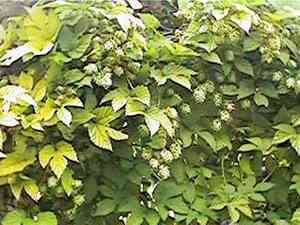
The optimal period for relocating common hop is throughout the warmer season, preferably from the beginning to the end of summer. This timeframe fosters robust root development. Select a site featuring soil that drains effectively and receives abundant sunlight. During the transplanting process, carefully separate the root mass to stimulate expansion.
Necessary Preparations Before Relocating Common Hop?
Optimal Timing for Common Hop Relocation?
The best time to move your common hop is from the beginning to the end of the summer season. This period supports the plant's growth due to warm temperatures and abundant sunlight. Relocating common hop during this window ensures robust development and a productive harvest. A thriving common hop plant yields generously!
Required Spacing Between Common Hop Plants?
Proper spacing is vital for common hop to flourish. We recommend leaving approximately 2-4 feet (60-120 cm) between each plant when transplanting. This provides ample room for them to reach their full potential.
Ideal Soil Blend for Common Hop Relocation?
Your common hop requires well-draining, loamy soil for optimal development. Additionally, enrich the soil with a balanced, granular fertilizer, such as a 10-10-10 formula. Mix it into the soil according to package directions before moving your plant.
Optimal Location for Your Common Hop?
For healthy growth, choose a spot that receives about 6-8 hours of daily sunlight for your common hop. These plants prefer full sun, so select the sunniest available site.
Equipment to Prepare Before Transplanting Common Hop?
Gardening Gloves
To safeguard your hands from harm while handling soil and common hop.
Spade or Shovel
Needed for excavating holes in the ground for planting.
Watering Can or Hose
To supply water to the common hop at various stages of relocation.
Wheelbarrow or Container
Required for moving the common hop from its original spot to the new one.
Gardening Trowel
Useful for gently removing smaller common hop plants from pots or seedling trays.
Stakes and Garden Twine
Helpful for supporting common hop as it begins to grow and climb after transplant.
Compost
To provide your common hop with additional nutrients during the relocation process.
How to Extract Common Hop from the Soil?
How to Extract Common Hop from the Soil?
From Ground: Begin by hydrating the common hop plant. Moist soil is easier to manage and reduces plant stress. Next, dig a trench around the plant with a spade, preserving as much of the root ball as possible. Carefully work the spade beneath the root ball and lift the plant out.From Pot: Water the common hop plant thoroughly before attempting to remove it from the container. Turn the pot sideways, holding the plant stem and the base of the pot. Tap the bottom and sides to loosen the root ball, then slide the plant out.From Seedling Tray: Water the common hop seedlings. With a gardening trowel, gently loosen the soil around the seedling. Carefully pull it out, ensuring no damage to the young roots and shoots.
Step-by-Step Guide for Relocating Common Hop
Ground Preparation
Clear the transplanting area of any weeds or grass. Also, remove any rocks or other debris that might impede the root growth of common hop.
Hole Excavation
Using a spade or shovel, dig a hole twice as wide and as deep as the common hop's root ball.
Placement
Position the common hop in the hole. Ensure the top of the root ball is level with the soil surface, not buried deeply.
Back Filling
Refill the hole with soil, pressing it down around the common hop root ball. Make sure the plant is stable in the ground.
Watering
Water the common hop immediately after transplanting. Ensure the soil is thoroughly saturated, but not waterlogged.
Support
Erect stakes and string garden twine between them to support common hop. Guide the plant towards these supports.
Post-Transplant Care for Common Hop?
Watering
Keep the newly transplanted common hop adequately watered, especially during dry periods. This promotes new root development and plant vitality.
Mulching
Apply a layer of organic mulch around the base of the common hop to retain moisture, suppress weeds, and stabilize soil temperature.
Pruning
Trim back excessive vine growth of common hop after transplant and in subsequent years to manage spread and encourage bushier growth. Avoid pruning in the first year.
Support Adjustment
Monitor the growth of common hop and adjust supports as needed to prevent overcrowding of vines. This ensures good air circulation and light penetration.
Resolving Common Issues with Common Hop Relocation.
When is the best time to move common hop?
The optimal period for transplanting common hop is during the early to late summer months. This is when they establish most effectively.
What is the correct spacing between common hop plants?
Allow approximately 2-4 feet (0.61-1.22 m) between each common hop for healthy growth and air circulation.
What should I consider when choosing a site for common hop relocation?
Sun exposure is crucial! Select a well-draining, sunny location, as common hop thrives best in full sunlight.
How deep should I plant common hop?
The hole should be twice the width and equal to the depth of the common hop's root ball. This encourages root spread and establishment.
Is any special care needed after relocating common hop?
Absolutely! Water common hop thoroughly after transplanting. Continue frequent watering for the initial few weeks to promote root establishment.
Is it important to amend the soil before relocating common hop?
Yes! Incorporating compost or organic matter into the soil before planting enhances soil fertility and structure, thereby fostering healthy common hop growth.
What if common hop leaves wilt after transplanting?
Don't be overly concerned. This is often transplant shock. Ensure common hop is well-watered but also has good soil drainage to prevent root rot.
How to manage pests after relocating common hop?
Regularly inspect for any signs of pests. If found, remove them manually or use an appropriate pesticide. Remember, a healthy common hop has better pest resistance!
Does common hop require mulch after transplanting?
Yes! Mulching helps conserve soil moisture and regulates soil temperature, ensuring a thriving environment for the common hop. Just avoid piling it against the stems.
Should I prune common hop after transplanting?
No pruning should be necessary post-transplant. The only exception would be to remove any damaged or dead parts, which could stress the plant.



